
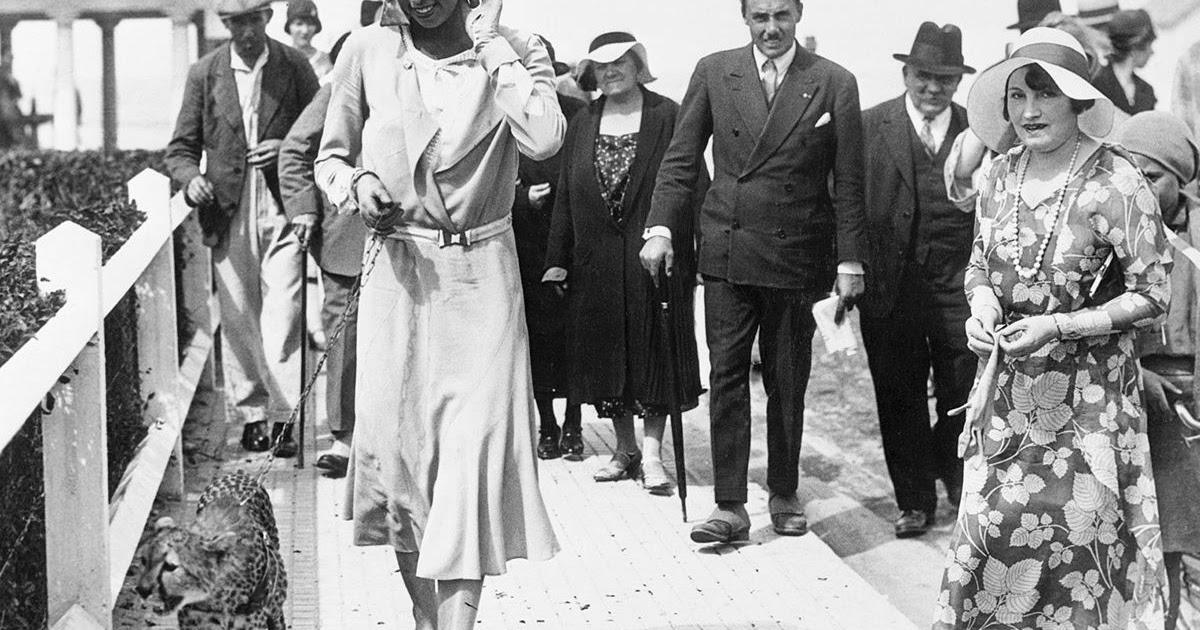
 Josephine Baker and Chiquita: The Famous Cheetah That Became Part of Her Public Persona
KillBait - News highlights delivered clearly and responsibly—no clickbait, no sensationalism
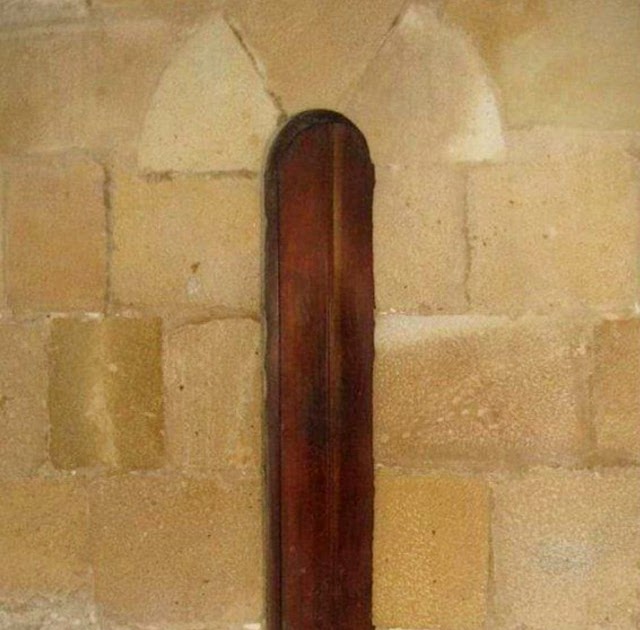
Photo: vintag.es
2026-05-28 09:37 History 42 


The Narrow Door at Portugal’s Alcobaça Monastery and the Legend of the “Fat-Catcher” Door
The article explores the famous narrow doorway at the Alcobaça Monastery (Mosteiro de Santa Maria de Alcobaça) in Portugal, a UNESCO World Heritage Site and one of the most significant medieval Cistercian monasteries in Europe.
Founded in 1153 by King Afonso Henriques and entrusted to the Cistercian Order, the monastery is known for its austere Gothic architecture, reflecting monastic values of simplicity, discipline, and labor.
One of its most talked-about architectural features is a small passage between the kitchen and the refectory (dining hall), commonly referred to in popular tradition as the “Porta Pega-Gordos” or “Fat-Catcher Door.” According to a widespread modern legend, this narrow doorway—often claimed to be extremely tight—was designed to force monks to remain thin.
The story suggests that monks who became too overweight due to gluttony would be unable to pass through and would be required to fast until they regained their discipline, reinforcing monastic ideals of temperance and humility.However, the article clarifies that this interpretation is largely a myth.
Historical and architectural evidence indicates that the doorway is approximately 50 centimeters wide, not as restrictive as folklore suggests, and likely functioned as a practical serving hatch.It would have allowed food to be passed efficiently from the kitchen to the refectory, where monks ate in silence while scripture was read aloud.A wider, more conventional door also exists nearby, further supporting the idea of a logistical rather than punitive purpose.There are no contemporary medieval records supporting the idea of a “gluttony test” doorway.Scholars and the monastery itself acknowledge the story as a modern legend that has become popular through tourism and storytelling.
Ultimately, the narrow door remains a point of fascination for visitors, blending historical architecture with humorous folklore that reflects broader stereotypes about medieval monastic life.
2482
Original title: The Narrow Door at the Alcobaça Monastery in Portugal
The AI system has determined that this news is not clickbait/sensationalist: : The original title is descriptive and factual, simply identifying the architectural feature and its location without sensational language or misleading claims. This has coincided with the opinion of the majority of users.
You may also be interested in...
Josephine Baker and Chiquita: The Famous Cheetah That Became Part of Her Public Persona
 1946 High School Portrait Collection Offers a Glimpse Into Postwar Student Life in St. Louis
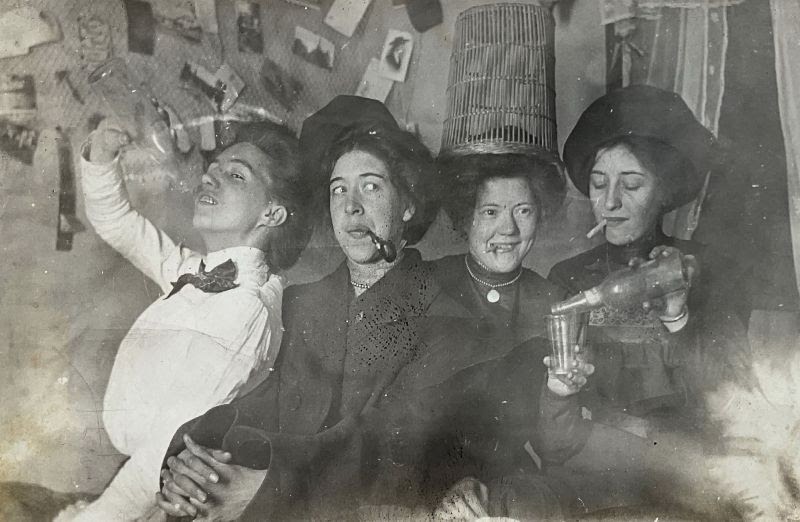 Vintage Photographs Showcase the Everyday Lives of Young Women During the Edwardian Era