
 Railway explosion and gunfire in Quetta kill at least 24 people amid Baloch insurgency
KillBait - News highlights delivered clearly and responsibly—no clickbait, no sensationalism
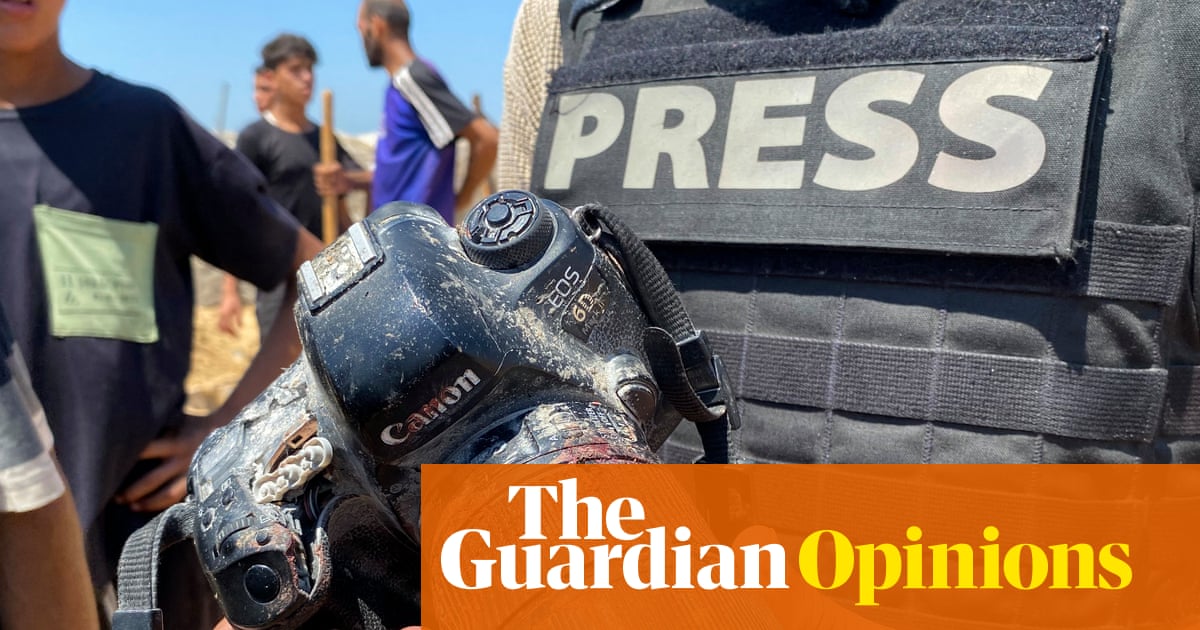
Photo: theguardian.com
2026-05-17 17:26 Conflict 13 


The Rising Dangers Faced by Journalists Around the World
Journalism today faces unprecedented dangers, with reporters increasingly targeted in conflict zones and politically volatile regions.In 2025, 129 journalists and media workers were killed, the highest number ever recorded by the Committee to Protect Journalists (CPJ), with the majority of deaths occurring in Gaza, the West Bank, southern Lebanon, Yemen, and Iran.Israeli forces were responsible for two-thirds of these fatalities.
The Guardian highlights the personal risks taken by its correspondents, including Malak and Enas Tantesh, who narrowly escaped Gaza amid armed conflict, and Seham Tantesh, who continues reporting while meticulously planning routes and maintaining constant contact with relatives.
Similar precautions are taken by Emma Graham-Harrison in the West Bank, William Christou in southern Lebanon, and correspondents covering the Ukraine conflict, where frontline reporting involves drone threats and constant danger.
Even journalists covering domestic events in the United States face threats, as illustrated by the White House Correspondents’ Association dinner shooting.
The article emphasises that thorough risk assessments, safety protocols, and support from international organisations are vital, yet dangers cannot be entirely eliminated.
The piece underlines that reporting in high-risk areas is essential to provide accurate information to the public and defend press freedom, despite the substantial human and financial costs involved.
Full reading at theguardian.com
2244
Original title: Journalism has never been a more dangerous pursuit
The AI system has determined that this news is not clickbait/sensationalist: : The title accurately reflects the content, highlighting the heightened risks journalists face without exaggeration or sensationalism. This has coincided with the opinion of the majority of users.
You may also be interested in...
Railway explosion and gunfire in Quetta kill at least 24 people amid Baloch insurgency
 Bomb attack near Quetta derails passenger train and injures dozens in Balochistan
 Putin threatens retaliation after deadly strike on Luhansk student dormitory