
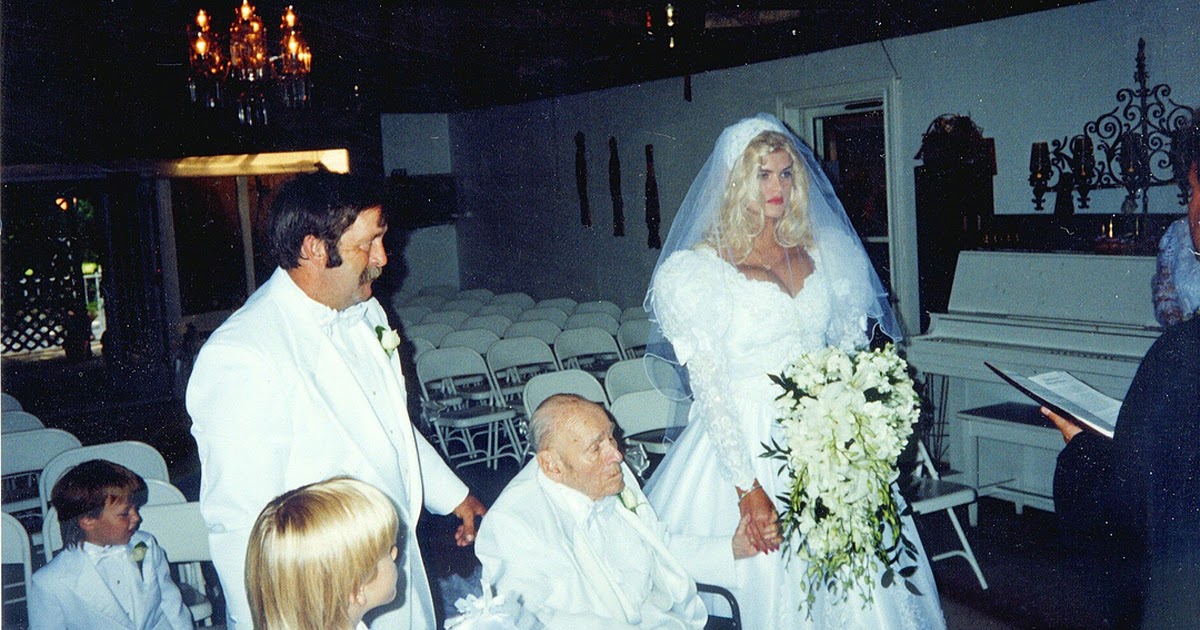
 The Controversial 1994 Wedding of Anna Nicole Smith and J. Howard Marshall II
KillBait - News highlights delivered clearly and responsibly—no clickbait, no sensationalism

Photo: Forbes
2026-07-11 03:56 History 10


The Shift from 'the United States' to 'America' and the Expansion of U.S. Colonialism
The article explores the historical transformation of the United States' national identity, shifting from 'the United States' to 'America' in 1898 due to rapid colonial expansion.This change coincided with the Spanish-American War, where the U.S.acquired territories like Cuba, Puerto Rico, the Philippines, and Guam.The conflict led to significant casualties, with estimates of over 750,000 Filipino deaths, raising questions about the U.S.'s role as a colonial power.
The piece highlights how this shift in identity was reflected in cultural symbols, such as the adoption of 'America the Beautiful' as a national anthem.
It also connects this historical event to contemporary discussions about immigration, citizenship, and cultural identity through the lens of an art exhibition, 'Imagining an Archipelago,' which showcases works by artists from former U.S.territories.The article underscores the complex legacy of American imperialism and its ongoing impact on global narratives.
2186
Original title: How The United States Became America
The AI system has determined that this news is not clickbait/sensationalist: : The original title is informative and directly relates to the article's content about historical identity shifts, without sensationalist language. This has coincided with the opinion of the majority of users.
You may also be interested in...
The Controversial 1994 Wedding of Anna Nicole Smith and J. Howard Marshall II
 1939 Alfa Romeo 6C 2500 Sport Berlinetta: A Rare Pre-War Italian Grand Tourer
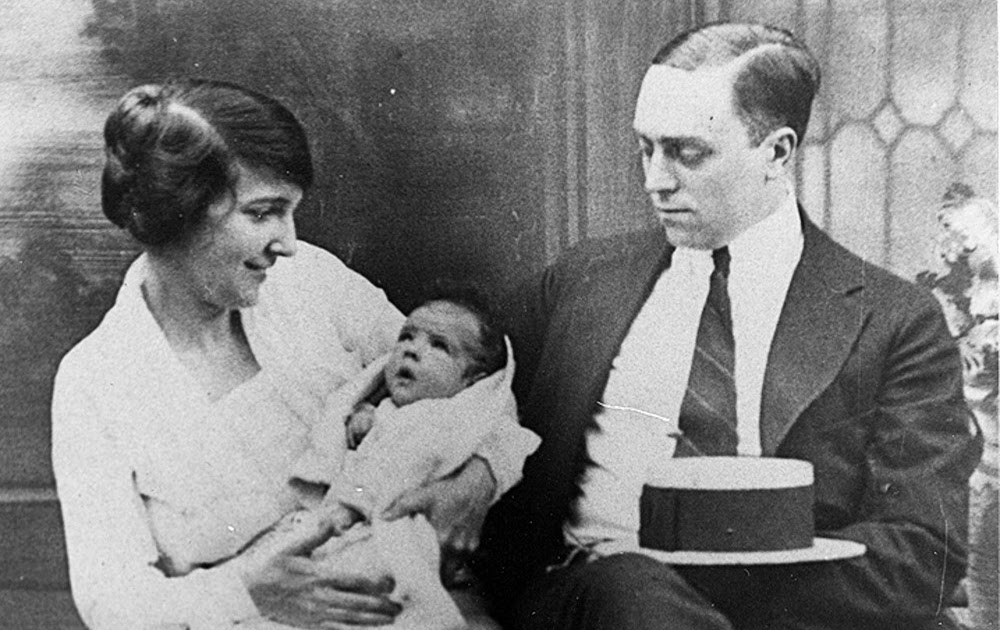 Nancy Reagan's Childhood: From Instability to Elite Upbringing