
 Journalist claims alleged directed energy weapon attacks caused lasting injuries, offers no supporting evidence
KillBait - News highlights delivered clearly and responsibly—no clickbait, no sensationalism
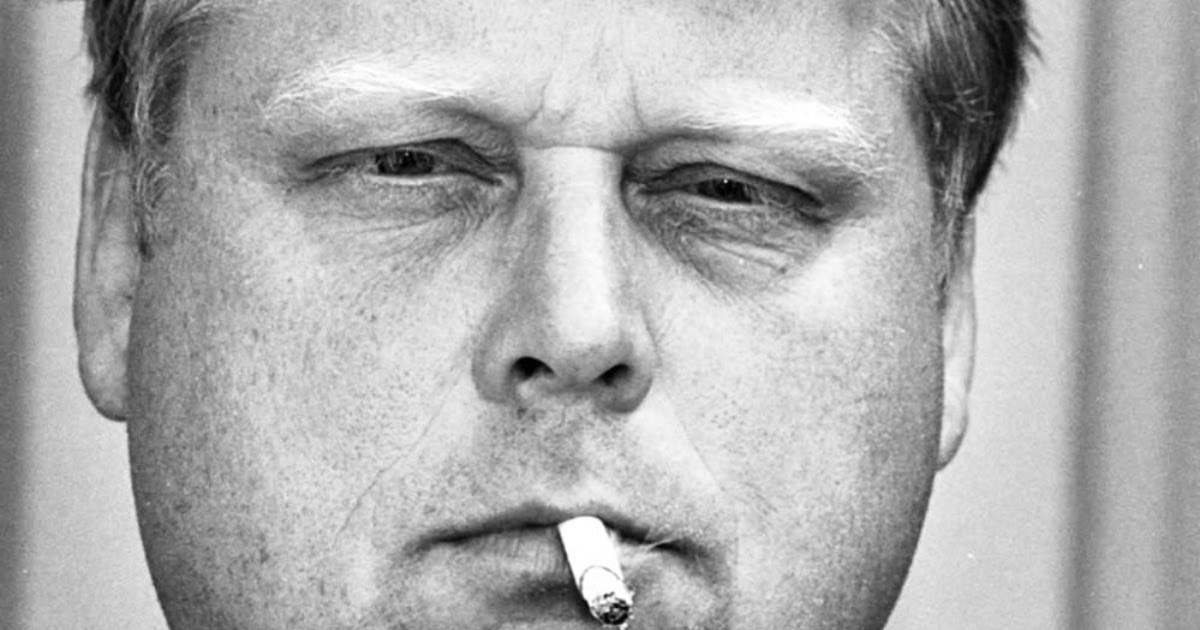
Photo: vintag.es
2026-05-19 22:31 Society 37 


Theo Van Gogh: Portrait from the Year of His Murder and Its Impact on Dutch Society
Theo van Gogh, a great-grandson of Vincent van Gogh's brother, was tragically murdered on November 2, 2004, in Amsterdam.The Dutch filmmaker and publicist was shot multiple times and had his throat slit while cycling to work.
The perpetrator, Mohammed Bouyeri, a 26-year-old Dutch-Moroccan, left a note on Van Gogh's body threatening Ayaan Hirsi Ali, Western countries, and Jews, citing extremist ideologies.Bouyeri was apprehended and later sentenced to life in prison without parole.
The murder was a direct response to Van Gogh's controversial short film 'Submission,' written by Hirsi Ali, which criticized the treatment of women in Islam.
Van Gogh's death sparked nationwide grief and discussions in the Netherlands about freedom of speech, multiculturalism, and the integration of immigrants.Memorials with flowers, notes, and drawings appeared at the crime scene.This event is widely regarded as a turning point that challenged the Netherlands’ reputation for tolerance regarding radical religious ideologies.
The photograph of Van Gogh, taken in 2004, captures him in the same year that his life was tragically cut short, serving as a poignant reminder of the social and political tensions surrounding freedom of expression and religious extremism.
2456
Original title: Portrait of Theo Van Gogh, Taken in 2004, Was Captured the Same Year He Was Murdered
The AI system has determined that this news is not clickbait/sensationalist: : The original title is factual and descriptive, clearly stating the subject and context without exaggeration or sensationalism. This has coincided with the opinion of the majority of users.
You may also be interested in...
Journalist claims alleged directed energy weapon attacks caused lasting injuries, offers no supporting evidence
 Casey Anthony reemerges publicly as LGBTQ advocate, sparking debate and backlash
 Privacy-Focused Gay Dating Apps Launch as Alternatives to Grindr Amid User Backlash