
 Paul Krugman warns about U.S. political instability and inequality in post-Trump era
KillBait - News highlights delivered clearly and responsibly—no clickbait, no sensationalism
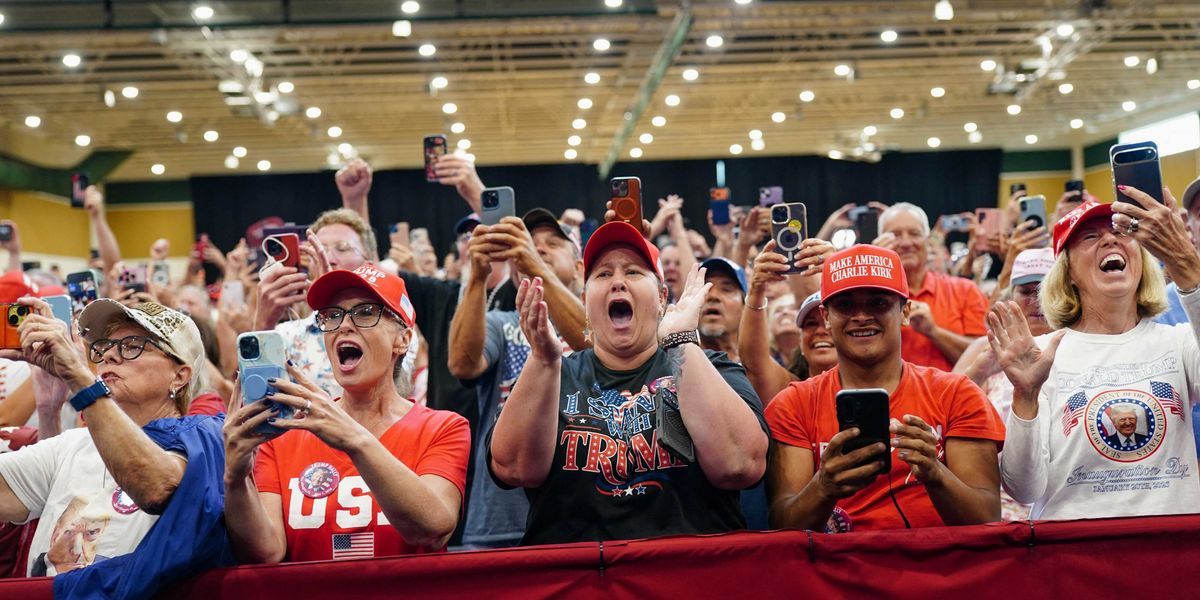
Photo: Raw Story - Celebrating 20 Years of Independent Journalism
2026-05-27 14:04 Opinion 32 


Thom Hartmann criticizes U.S. healthcare system and argues racial politics undermine universal coverage efforts
In this opinion article, Thom Hartmann critiques the structure of the U.S.healthcare system, arguing that it is excessively profit-driven and contributes to poor health outcomes compared to other developed nations.
He highlights the existence of numerous healthcare-related billionaires in the United States, suggesting that their wealth is derived from systemic inefficiencies and high medical costs.According to the piece, the U.S.remains unique among wealthy nations for lacking universal healthcare, leading to high rates of medical bankruptcy, preventable deaths, and unequal access to care.
The author references academic research suggesting that racial perceptions can influence public attitudes toward redistribution policies such as Medicaid and food assistance.
He argues that political messaging and historical racial divisions have contributed to resistance among some voters toward policies that might otherwise improve overall public health outcomes.The article connects these dynamics to long-standing political strategies in U.S.history, claiming they have shaped voter behavior and policy decisions over decades.Hartmann also discusses disparities in health outcomes across U.S.states, including differences in maternal mortality and life expectancy, particularly in southern and economically disadvantaged regions.He contrasts the U.S.system with those of other developed countries, which generally provide universal healthcare and do not produce billionaire fortunes from medical services.
The piece concludes by advocating for structural reforms such as expanded public healthcare programs and wealth taxation, arguing that political resistance and ideological divisions continue to block such changes despite available policy proposals.
Full reading at Raw Story - Celebrating 20 Years of Independent Journalism
2427
Original title: This racist con is literally killing white Americans
The AI system has determined that this news is clickbait/sensationalist: : The original title uses highly charged and provocative language, including the phrase 'racist con' and 'literally killing,' which is designed to evoke strong emotional reactions and emphasizes accusation rather than neutral description. This has coincided with the opinion of the majority of users.
You may also be interested in...
Paul Krugman warns about U.S. political instability and inequality in post-Trump era
 Cory Doctorow Argues AI Is Being Promoted as a Substitute for Human Labor and Social Relationships
 James Carville Questions Trump's Health and Policy Priorities Amid Comments on Walter Reed Visits