
 Study Finds Unsweetened Sparkling Water Less Harmful to Teeth Than Soda
KillBait - News highlights delivered clearly and responsibly—no clickbait, no sensationalism
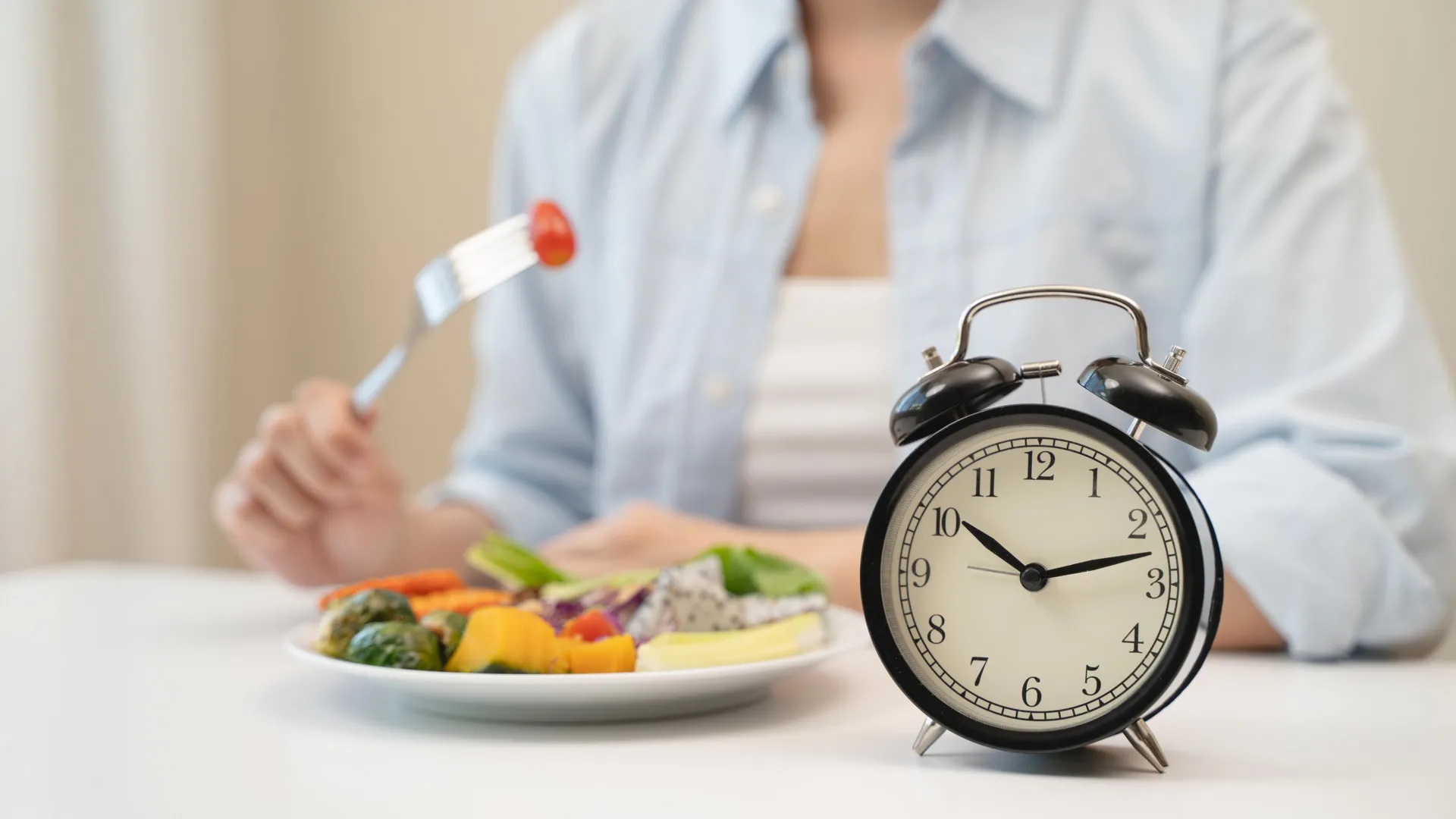
Photo: ScienceDaily
2026-07-28 13:08 Nutrition 10


Time-Restricted Eating May Improve Cognitive Function in Older Women
A small clinical trial suggests that limiting food intake to fewer hours each day could provide modest cognitive benefits for older women beyond weight loss alone.The study followed 47 women aged 50-79 with overweight or obesity over six months.
Participants were instructed to reduce daily calorie intake by 500 calories, with 26 also adopting time-restricted eating (eating within an 8-9 hour window).
Both groups lost similar weight (average of ~15 pounds), but the time-restricted group showed significant improvements in spatial planning and problem-solving tests.They also made fewer memory-related errors, though these results did not reach statistical significance.
Researchers noted that stopping eating four hours before sleep and shortening the eating window to 8-9 hours daily may offer cognitive advantages over the typical 12-hour eating window.
The findings, presented at the American Society for Nutrition conference, highlight potential interactions between circadian rhythms, inflammation, metabolic health, and nutrient sensing pathways.While the study is preliminary due to its small size, it suggests meal timing could influence brain function in aging populations.
2186
Original title: Eating within 8 hours may help keep the aging brain sharp
The AI system has determined that this news is clickbait/sensationalist: : The original title uses hyperbolic language ('keep the aging brain sharp') and implies a direct causal relationship between meal timing and cognitive benefits, which oversimplifies the study's findings. The phrasing 'may help keep' suggests an overgeneralized benefit without acknowledging the trial's limitations. This has coincided with the opinion of the majority of users.
You may also be interested in...
Study Finds Unsweetened Sparkling Water Less Harmful to Teeth Than Soda
:max_bytes(150000):strip_icc()/watermelon-vs-cantelope-437fc72731af4580a7fd5dae90114b13.jpg) Comparing Watermelon and Cantaloupe Nutrition for Blood Sugar Management
Comparing Watermelon and Cantaloupe Nutrition for Blood Sugar Management
:max_bytes(150000):strip_icc()/The-5-Best-Fruits-for-Better-Brain-Health-According-to-Experts-texture-f18d90e4f01743928a7e3c3c0872d2b5.jpg) Top Fruits for Enhancing Brain Health and Cognitive Function
Top Fruits for Enhancing Brain Health and Cognitive Function