
 Tinubu says subsidy removal helped Nigeria avoid bankruptcy and boost economic recovery
KillBait - News highlights delivered clearly and responsibly—no clickbait, no sensationalism
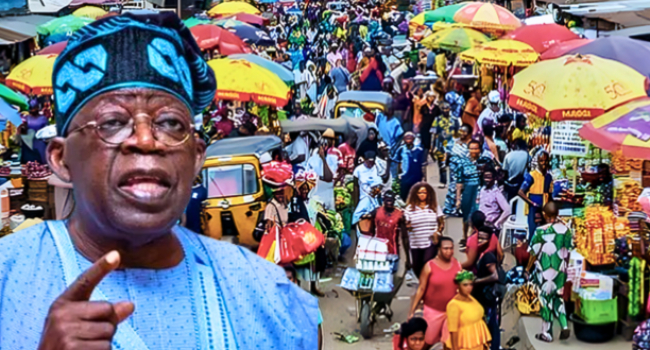
Photo: Channels Television
2026-05-30 05:02 Economy 10 


Tinubu Defends Fuel Subsidy Removal, Says Economic Reforms Are Improving Nigeria’s Finances
President Bola Tinubu has defended his administration’s decision to remove fuel subsidy, saying the policy helped Nigeria avoid a serious fiscal crisis and created the foundation for economic recovery.
Speaking during a meeting with state governors who visited him in Lagos for the Sallah celebration and the third anniversary of his administration, the President said the decision was difficult and painful for many Nigerians but was necessary to prevent the country from sliding into bankruptcy.
According to Tinubu, years of subsidy payments placed a heavy burden on public finances and reduced funds available for critical sectors such as infrastructure, agriculture and social development.He stated that despite criticism, legal challenges and public resistance, the government remained committed to the reform programme.
He argued that the economy has since shown signs of improvement, with growth returning, agriculture expanding and investor confidence gradually recovering.
The President also highlighted ongoing reforms in foreign exchange management, fiscal discipline, infrastructure development and social investment programmes.
He assured Nigerians that his government would continue implementing policies aimed at reducing hardship, creating jobs, strengthening food security and promoting inclusive economic growth.
Tinubu praised state governors for supporting the reform agenda and noted that increased revenue allocations have enabled many states to pay salaries, clear obligations and execute development projects without depending heavily on federal government interventions or borrowing.
Vice President Kashim Shettima described the subsidy removal as a bold decision that addressed long-standing structural problems in the petroleum sector.
Governors Abdulrahman Abdulrazaq and Hope Uzodinma also commended the administration, saying the reforms have improved state finances and helped stabilise the country.Abdulrazaq further suggested consideration of a new national minimum wage benchmark of ₦100,000.
Full reading at Channels Television
2187
Original title: Fuel Subsidy Removal Saved Nigeria From Bankruptcy, Restored Economic Stability — Tinubu
The AI system has determined that this news is not clickbait/sensationalist: : The headline directly reflects the main claim made by President Tinubu in the article and accurately represents the content. While it presents his viewpoint strongly, it is not exaggerated beyond what is reported in the story. This has coincided with the opinion of the majority of users.
You may also be interested in...
Tinubu says subsidy removal helped Nigeria avoid bankruptcy and boost economic recovery
 CBN Governor Cardoso Commits to Orthodox Monetary Policies for Stronger Economic Confidence
 EIU Reports Dangote Refinery Reducing Nigeria’s Reliance on Fuel Imports and Boosting Forex Earnings