
 Naheed Nenshi's Apology for Meeting Israeli Ambassador Sparks Debate on Political Accountability
KillBait - News highlights delivered clearly and responsibly—no clickbait, no sensationalism
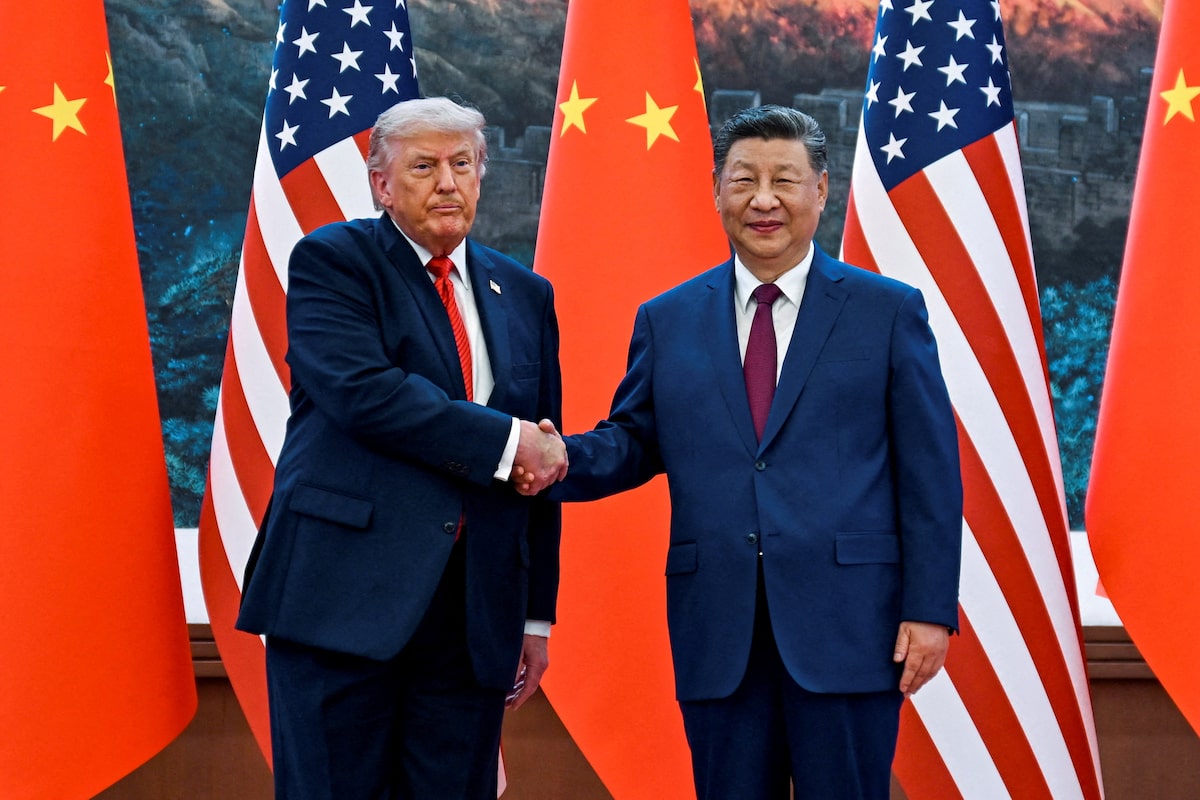
Photo: The Globe and Mail
2026-07-19 20:54 Politics 10


Trump Accuses China of Election Interference, Sparks Diplomatic Tensions
President Donald Trump has accused China of interfering in the 2020 U.S.election, a claim that has reignited tensions in the already fragile U.S.-China relationship.
During a televised speech, Trump alleged that Beijing was responsible for the largest compromise of election data in history, though the White House provided no supporting evidence.China has strongly denied the allegations, calling them 'fabricated' and emphasizing its commitment to non-interference in U.S.elections.
Analysts warn that Trump's unpredictable rhetoric risks destabilizing the bilateral relationship, especially as both nations navigate economic and geopolitical challenges.The controversy comes amid ongoing trade tensions and a lack of clarity in U.S.policy toward China, with some experts suggesting Beijing is using the current calm to strengthen its economic and technological independence.Meanwhile, public opinion in many countries now favors China over the U.S., reflecting a shift in global perceptions of the two superpowers.The situation underscores the volatility of international relations and the potential consequences of political instability in key global players.
Full reading at The Globe and Mail
2186
Original title: Facing pressure at home, Trump turns to an old scapegoat: China
The AI system has determined that this news is clickbait/sensationalist: : The original title appears to prioritize subscription-driven content over the actual news, using sensational language to attract clicks rather than conveying factual information. This has coincided with the opinion of the majority of users.
You may also be interested in...
Naheed Nenshi's Apology for Meeting Israeli Ambassador Sparks Debate on Political Accountability
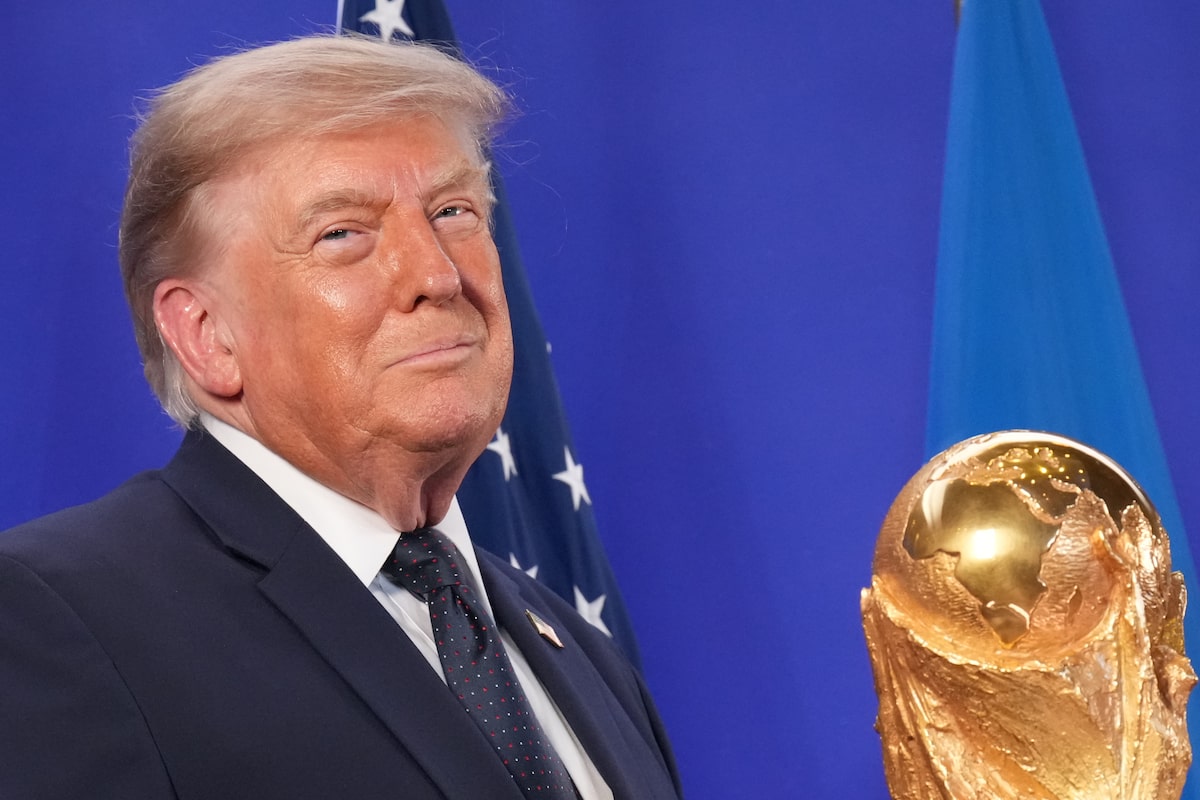 Trump's role in hosting World Cup amid political and logistical challenges
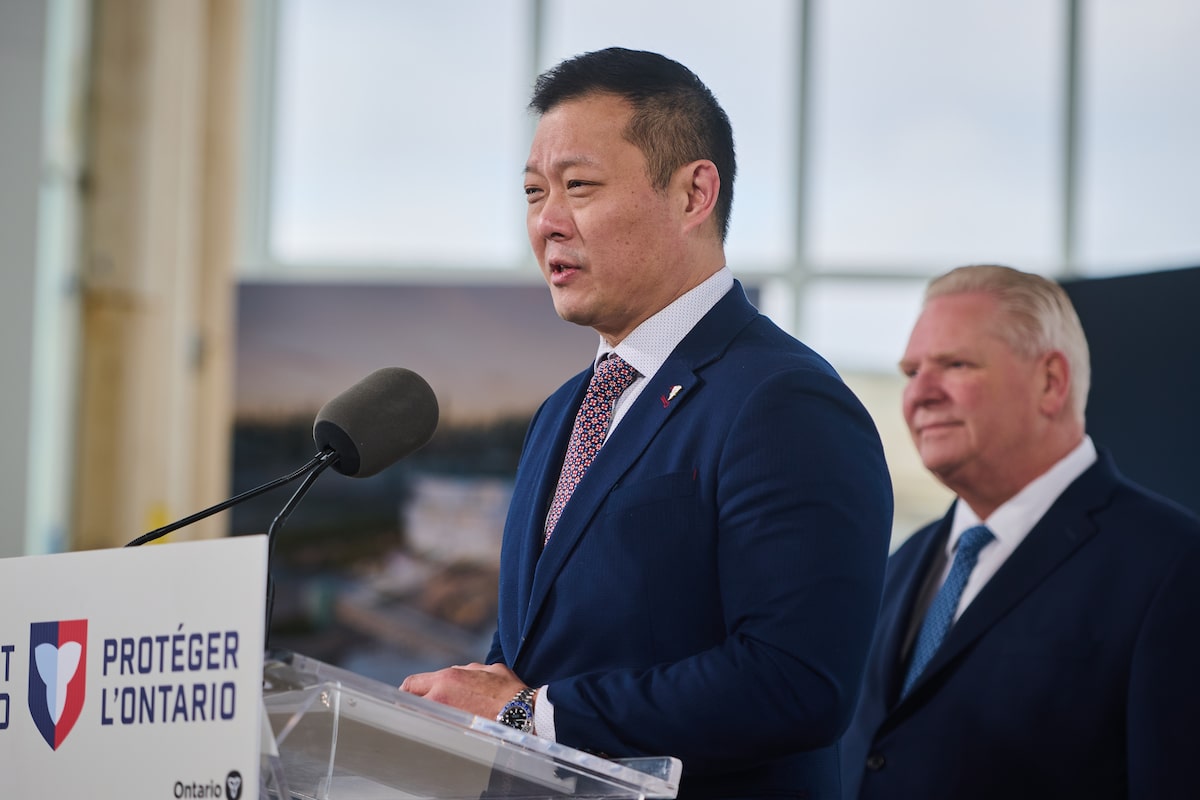 Criticism of Progressive Conservatives Over Public Fund Mismanagement