
 Coinbase Shares Rise Following Legislative Progress on Regulatory Framework
KillBait - News highlights delivered clearly and responsibly—no clickbait, no sensationalism

Photo: WSJ
2026-07-22 06:45 Economy 10


Trump Announces Plan to Impose Tariffs on Generic Drugs by 2028
President Donald Trump announced during a press briefing that the U.S.plans to impose tariffs on generic drugs by 2028, citing the need to protect domestic pharmaceutical companies and reduce reliance on foreign manufacturers.
The proposal, which aligns with Trump's broader economic policies, would target generic medications produced abroad, potentially increasing costs for consumers.
However, critics argue that such tariffs could lead to higher drug prices and limit access to affordable treatments, particularly for patients with chronic conditions.
The plan has sparked debate among lawmakers, with some supporting the move as a way to boost domestic manufacturing while others warn of the negative impact on public health.
The administration has not yet provided specific details on the tariff rates or the timeline for implementation, but Trump emphasized that the policy would be a key part of his agenda for the upcoming election cycle.Industry analysts suggest that the proposal could disrupt global supply chains and affect both U.S.and international pharmaceutical markets.
While the move is framed as a protectionist measure, opponents argue that it may ultimately harm American consumers and exacerbate existing healthcare challenges.
The potential impact on healthcare costs, drug availability, and the pharmaceutical industry's response will be critical factors to monitor in the coming months.
2186
Original title: U.S. Will Tariff Generic Drugs in 2028, Trump Says
The AI system has determined that this news is clickbait/sensationalist: : The original title uses sensational language ('Will Tariff') and emphasizes Trump's personal claim, which is more clickbait than neutral reporting. This has coincided with the opinion of the majority of users.
You may also be interested in...
Coinbase Shares Rise Following Legislative Progress on Regulatory Framework
U.S. Oil Prices Climb Above $80 Per Barrel Amid Global Demand Shifts
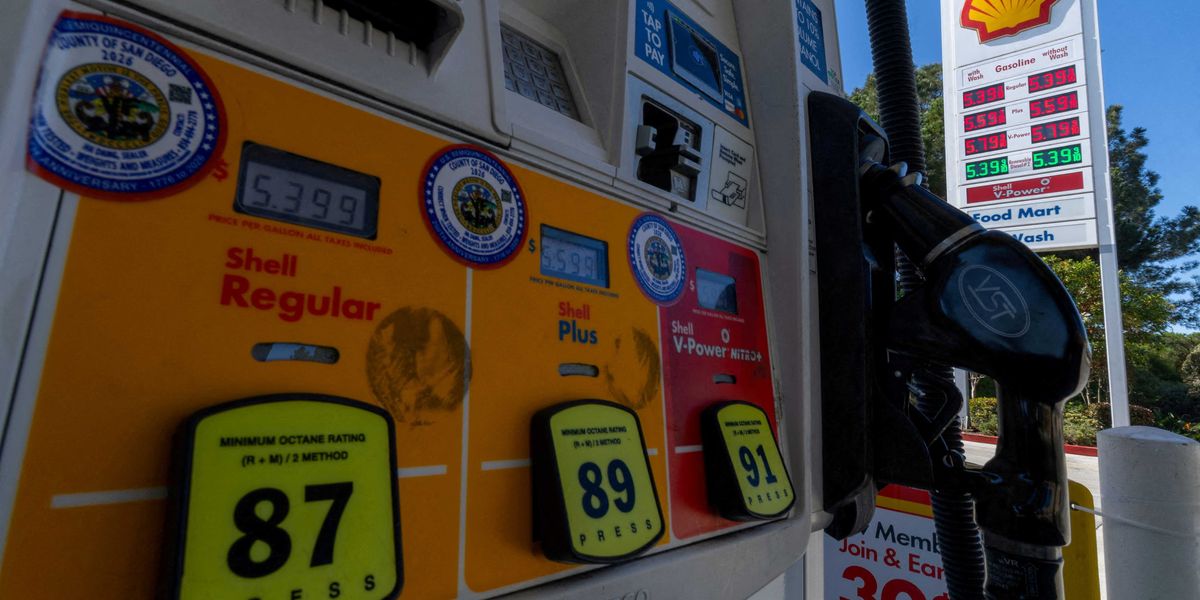 Rising diesel prices and shrinking fuel inventories raise concerns about inflation and supply disruptions