
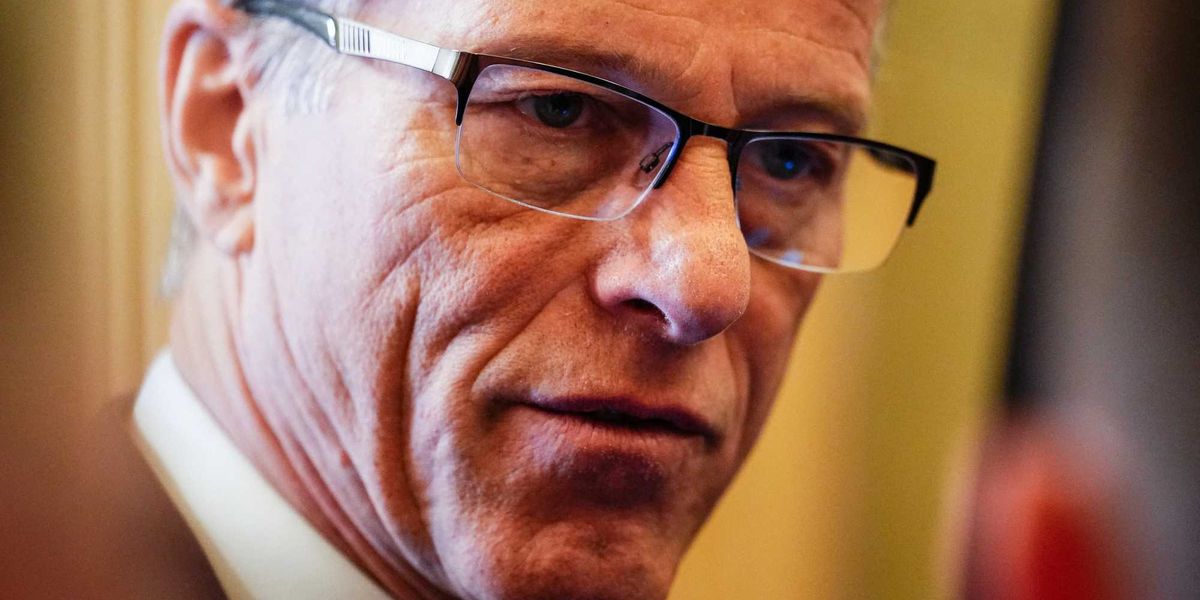
 Senate Republicans face legislative deadlock over contested Trump-backed funding provisions
KillBait - News highlights delivered clearly and responsibly—no clickbait, no sensationalism
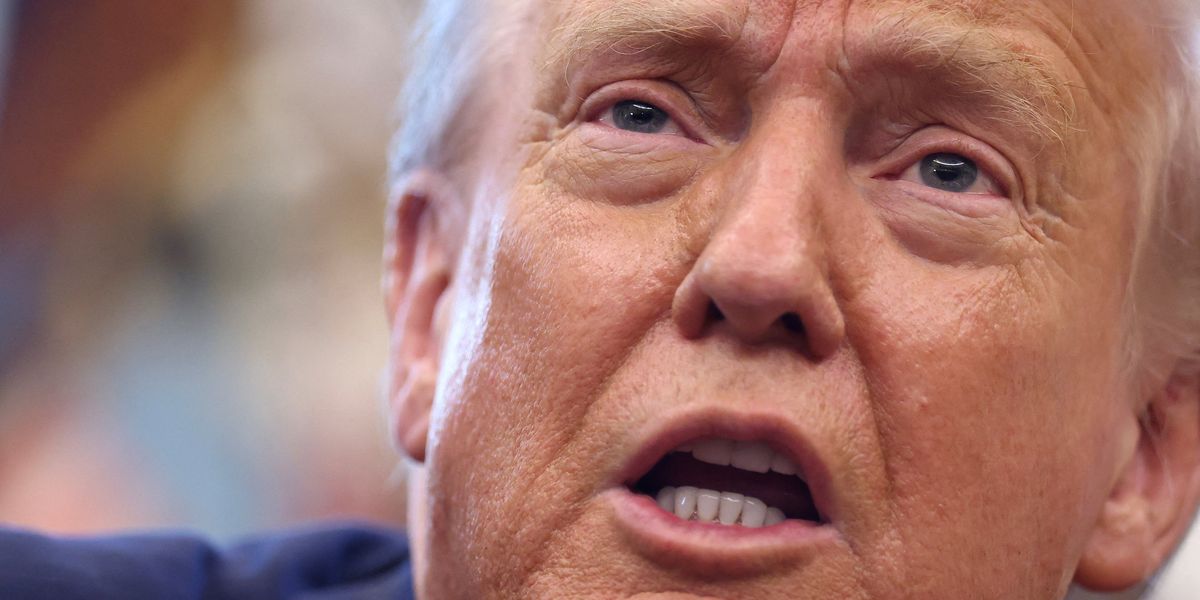
Photo: Raw Story - Celebrating 20 Years of Independent Journalism
2026-06-02 21:42 Politics 13 


Trump Faces Political and Legal Setbacks as Several High-Profile Initiatives Stall
The article argues that President Donald Trump has recently encountered a series of political and legal setbacks that suggest limits to his ability to advance controversial initiatives.According to the analysis, the Trump administration signaled plans to abandon a proposed $1.776 billion 'anti-weaponization fund' after a court ruling and growing opposition from Republican lawmakers.
The fund had been created through a settlement related to Trump's lawsuit against the IRS and was intended to compensate individuals who claimed they were unfairly targeted by the previous administration.
Critics, including members of the judiciary and Republican senators, questioned the legality and purpose of the fund, particularly after it was acknowledged that some January 6 defendants could potentially benefit from it.The article also highlights Trump's decision to back away from efforts to rename the Kennedy Center after himself.
A judge ruled that the renaming initiative violated federal law, prompting Trump to indicate that control of the institution would return to Congress.
The report describes these developments as part of a broader pattern in which ambitious or controversial proposals have encountered resistance from courts, lawmakers, or public opinion.
Other examples cited include the abandonment of efforts related to acquiring Greenland and the removal of plans for a taxpayer-funded White House ballroom from legislation.
The analysis concludes that while Trump continues to pursue bold and unconventional initiatives, recent reversals demonstrate that political, legal, and institutional constraints remain significant factors affecting his agenda, especially as Republicans consider the electoral implications ahead of upcoming elections.
Full reading at Raw Story - Celebrating 20 Years of Independent Journalism
2241
Original title: Trump's most outrageous gambits are finally blowing up in his face: analysis
The AI system has determined that this news is clickbait/sensationalist: : The original title uses highly charged and sensational language such as 'most outrageous gambits' and 'blowing up in his face,' which expresses a strong judgment and is designed to provoke curiosity and emotion rather than neutrally summarize the events discussed in the article. This has coincided with the opinion of the majority of users.
You may also be interested in...
Senate Republicans face legislative deadlock over contested Trump-backed funding provisions
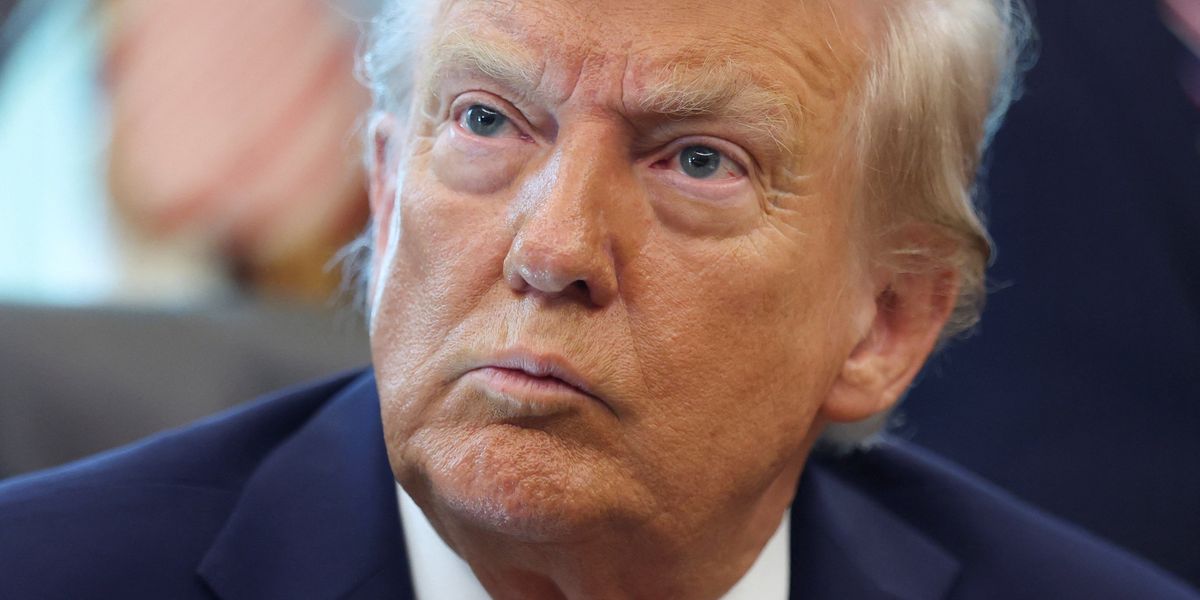 Senate Republicans Express Concern That Trump's Actions Could Complicate GOP Midterm Prospects
 Wall Street Journal criticizes Republicans for lack of response to Democrats' Supreme Court plans