
 US Expands Sterile Fly Program After Screwworm Detected in Texas
KillBait - News highlights delivered clearly and responsibly—no clickbait, no sensationalism
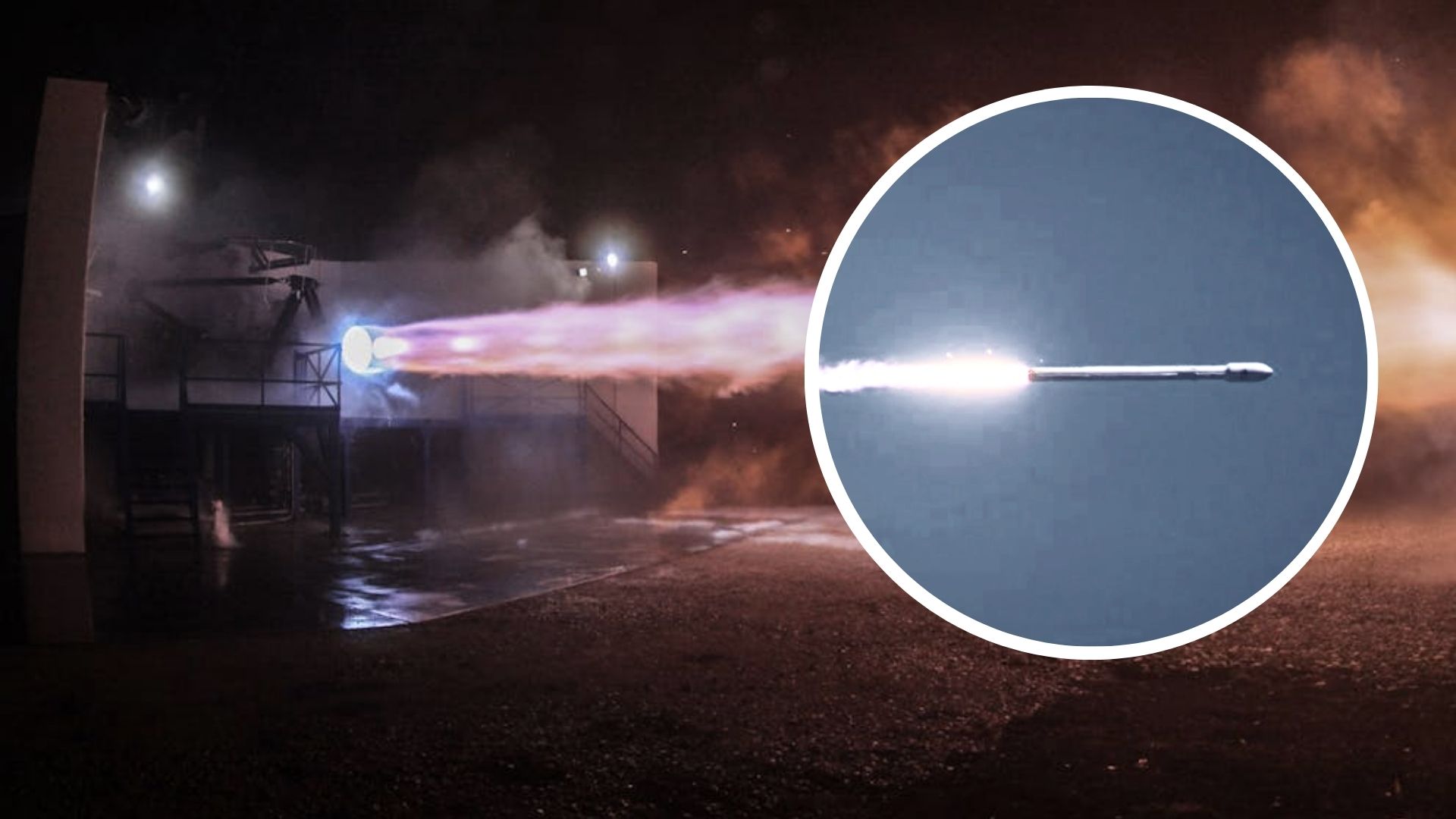
Photo: Interesting Engineering
2026-06-01 10:57 Science 10 


U.S. Air Force program advances next-generation ceramic materials for aerospace and defense applications
A new research initiative supported by the U.S.Air Force Research Laboratory (AFRL) aims to accelerate the development of next-generation ceramic and ceramic matrix composite (CMC) materials for extreme aerospace and defense applications.
Under a $20 million contract awarded to Virginia-based AeroVironment, the CAMP program will focus on improving how advanced ceramics are designed, manufactured, and deployed across military systems.
These materials are expected to play a critical role in environments involving extreme heat, mechanical stress, and high-speed flight, including hypersonic vehicles, rocket propulsion systems, turbine engines, thermal protection tiles, and advanced armor systems.
The program will leverage advanced additive manufacturing techniques such as 3D printing, alongside sensor integration and microstructural analysis, to create lighter and more durable structures.
Researchers will also explore precursor synthesis, innovative fabrication methods, and predictive modeling tools to better understand how these materials behave under stress.
A key innovation includes embedding sensors directly into ceramic components, enabling real-time health monitoring and improved maintenance strategies throughout their operational lifecycle.According to project leaders, the goal is not only to improve performance but also to reduce lifecycle costs and enhance mission readiness for the U.S.Air and Space Forces.The effort reflects a broader Department of Defense strategy to invest in advanced materials science as a foundation for future military superiority.
As hypersonic systems and space-based assets become increasingly important, demand for materials capable of withstanding extreme conditions continues to rise.
The CAMP program is intended to help meet these challenges by advancing multifunctional ceramics for applications ranging from satellite propulsion to energy systems and aerospace defense platforms.AeroVironment’s involvement further strengthens its role in defense innovation and next-generation materials development.
Full reading at Interesting Engineering
2187
Original title: US' high-performing defense products could be built with next-gen ceramic
The AI system has determined that this news is not clickbait/sensationalist: : The original title is descriptive and fact-based, summarizing a research development in military materials science without exaggerated claims or emotional language, so it is not clickbait. This has coincided with the opinion of the majority of users.
You may also be interested in...
US Expands Sterile Fly Program After Screwworm Detected in Texas
 Study Identifies Genetic Similarities Between Cat and Human Cancers, Highlighting Potential for Dual Treatments
 Pacific Fusion advances pulser module prototype toward demonstration fusion power plant