
 Nuclear Energy, Tech Giants, and Saudi Arabia's Role in the Khashoggi Murder Case
KillBait - News highlights delivered clearly and responsibly—no clickbait, no sensationalism
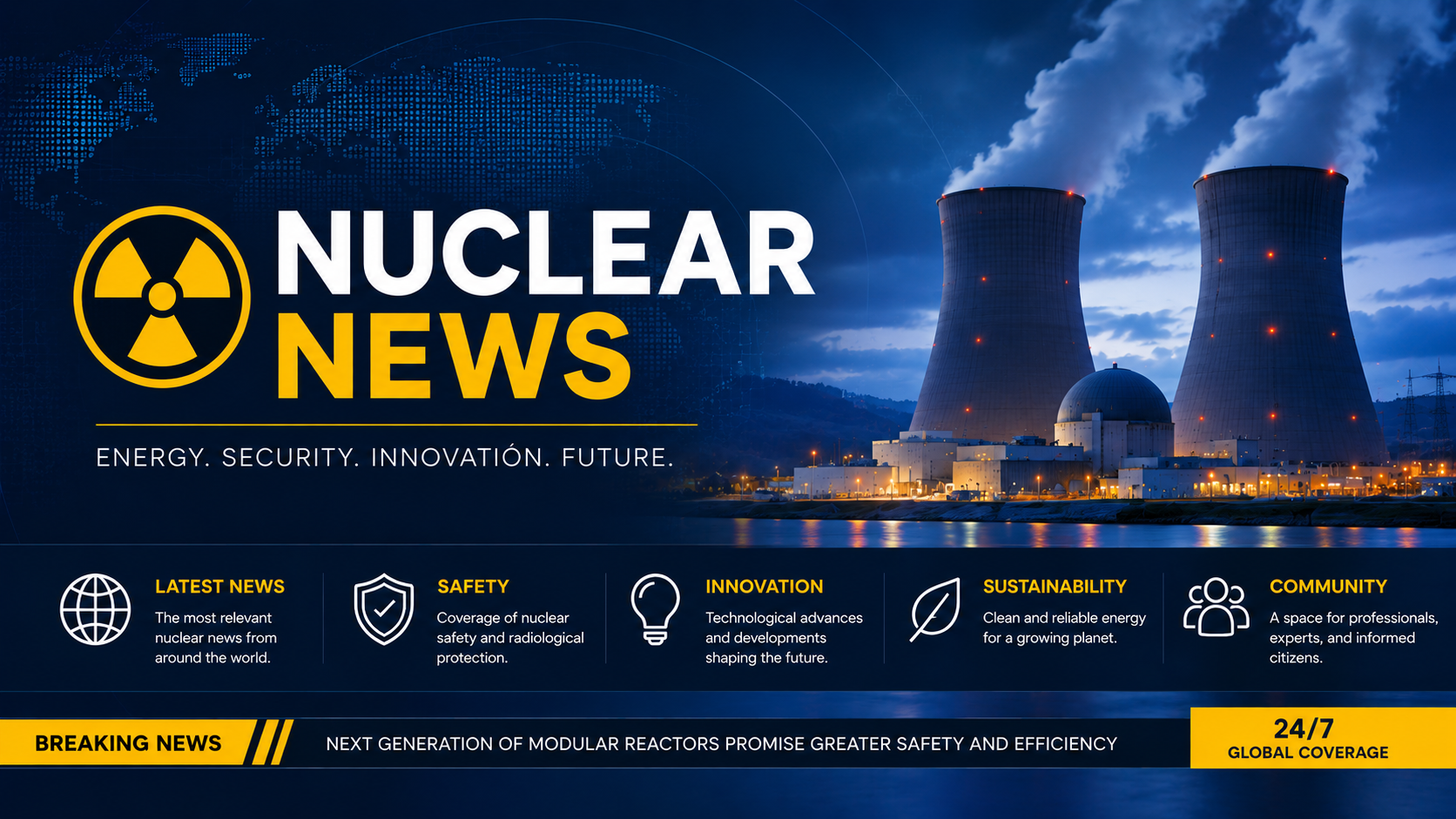
Photo: nuclear-news
2026-07-28 13:52 Geopolitics 11


U.S. Focuses on Small Nuclear Reactors in Southeast Asia to Meet Energy Demand
The U.S.has identified cooperation on small modular nuclear reactors (SMRs) as a key priority in its engagement with Southeast Asia amid rising regional electricity demand.
Secretary of State Marco Rubio's attendance at the ASEAN Foreign Ministers’ Meeting in Manila highlighted the administration's emphasis on SMRs, with U.S.Ambassador Kevin Kim stating that 'deep discussions' are underway with multiple Southeast Asian governments.This initiative follows a memorandum of understanding signed by the U.S., Japan, and South Korea at the NATO summit, aiming to accelerate SMR deployment in the Indo-Pacific.The U.S.has also unveiled a $1.5 billion investment to support these efforts, alongside grants for renewable energy projects and infrastructure.The strategy underscores the U.S.'s geopolitical interests in securing energy partnerships and advancing nuclear technology in the region.
Critics argue that the focus on SMRs could exacerbate nuclear proliferation risks, while proponents highlight their potential to provide reliable, low-carbon energy.The move reflects broader U.S.efforts to counter Chinese influence in Southeast Asia through strategic alliances and technological collaboration.
2206
Original title: U.S. Prioritizes Small Nuclear Reactors Across Southeast Asia
The AI system has determined that this news is clickbait/sensationalist: : The original title uses hyperbolic language ('Prioritizes') and emphasizes a specific geopolitical angle, which may exaggerate the significance of the U.S. initiative compared to the nuanced policy details in the article. This has coincided with the opinion of the majority of users.
You may also be interested in...
Nuclear Energy, Tech Giants, and Saudi Arabia's Role in the Khashoggi Murder Case
US and Saudi Arabia finalize nuclear cooperation agreement with security concerns
 Trump's Nuclear Deal Risks Global Proliferation and Escalation of Nuclear Threats