
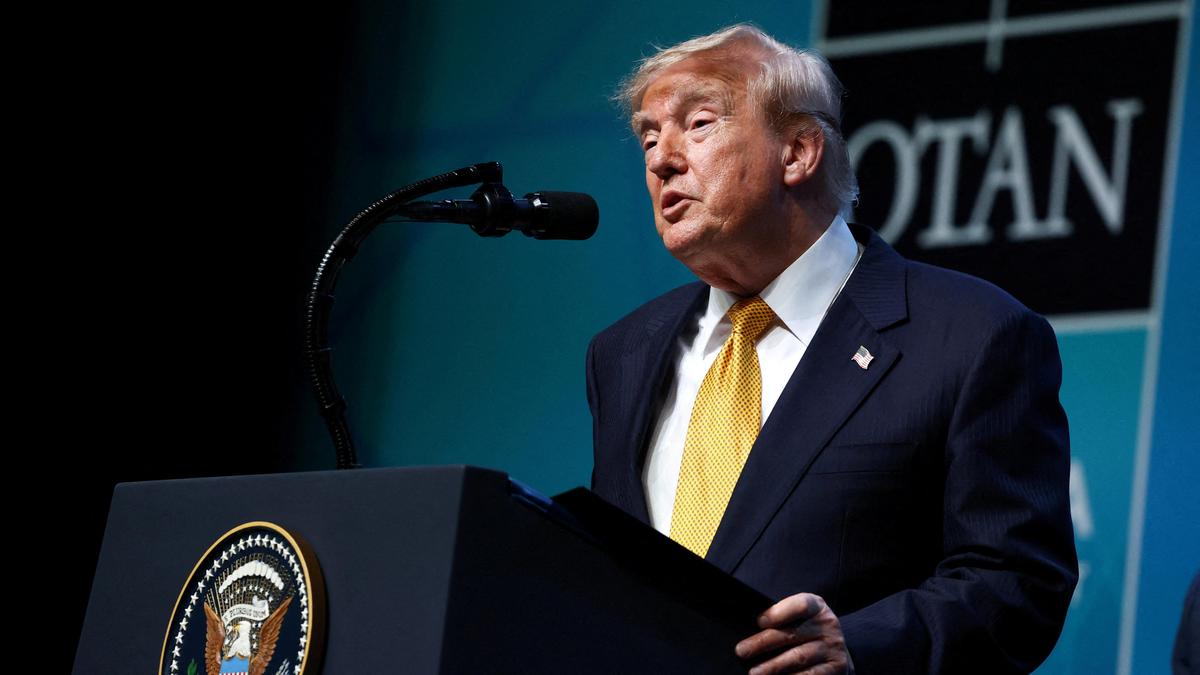
 U.S. and Iran signal willingness for further negotiations despite renewed military escalation in West Asia
KillBait - News highlights delivered clearly and responsibly—no clickbait, no sensationalism
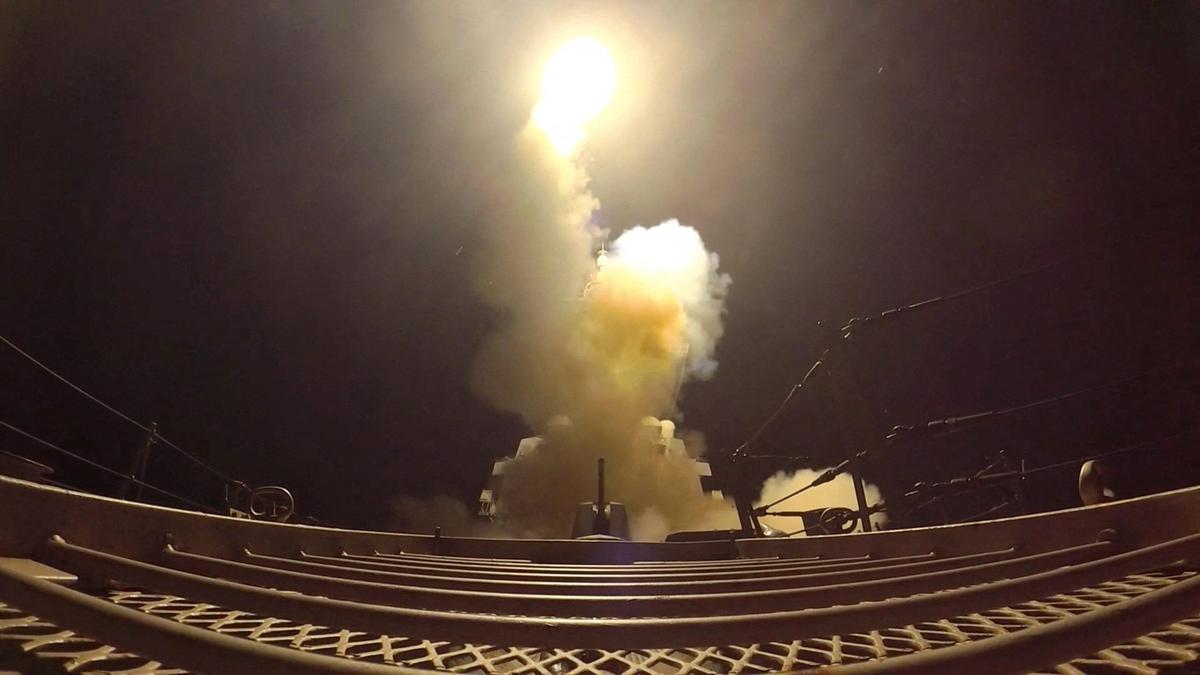
Photo: The Hindu
2026-07-13 15:10 Conflict 11


U.S.-Iran conflict escalates: Missile strikes, oil prices spike as Gulf nations brace for retaliation
The situation in the Gulf has intensified following a series of coordinated attacks and counterattacks between Iran and the United States.Iran's Revolutionary Guards launched missile strikes on U.S.military bases in Kuwait and Bahrain, while the U.S.Central Command (CENTCOM) responded with precision strikes targeting Iranian infrastructure near the Strait of Hormuz.Jordan intercepted four Iranian missiles without reporting casualties, and Bahrain sounded air raid sirens for a second time as tensions flared.The conflict has disrupted global oil markets, causing prices to surge over 4% amid fears of further disruptions to critical shipping lanes.Casualties were reported in southwestern Iran following U.S.strikes, with one fatality and four injuries confirmed.Gulf states like Kuwait and Bahrain are now under heightened threat, as both sides continue their retaliatory operations.
The crisis threatens the fragile truce between Washington and Tehran, which was aimed at ensuring safe passage for international shipping through the Strait of Hormuz.Analysts warn that prolonged hostilities could lead to severe economic repercussions, particularly affecting energy markets and regional stability.
2206
Original title: West Asia war LIVE: IRGC claims strikes against Oman and Bahrain
The AI system has determined that this news is clickbait/sensationalist: : The original title focuses on a single event (Jordan intercepting missiles) while the article details broader U.S.-Iran tensions, oil price spikes, and multiple casualties, making it sensationalist. This has coincided with the opinion of the majority of users.
You may also be interested in...
U.S. and Iran signal willingness for further negotiations despite renewed military escalation in West Asia
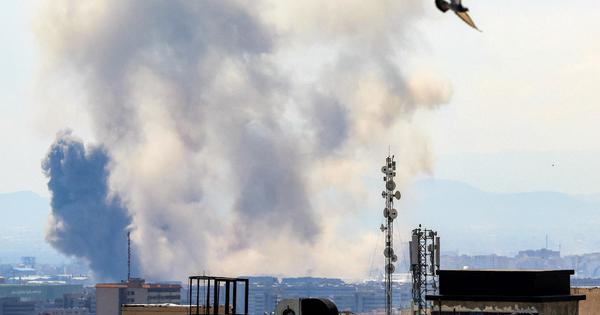 US strikes in Iran kill one, injure four; oil prices surge
 Ambush of Church Leaders Deepened Naga-Kuki Violence and Expanded Blockades Across Manipur Hills