
 Empire Managers Fabricate Threats to Avoid Addressing Real Global Issues
KillBait - News highlights delivered clearly and responsibly—no clickbait, no sensationalism
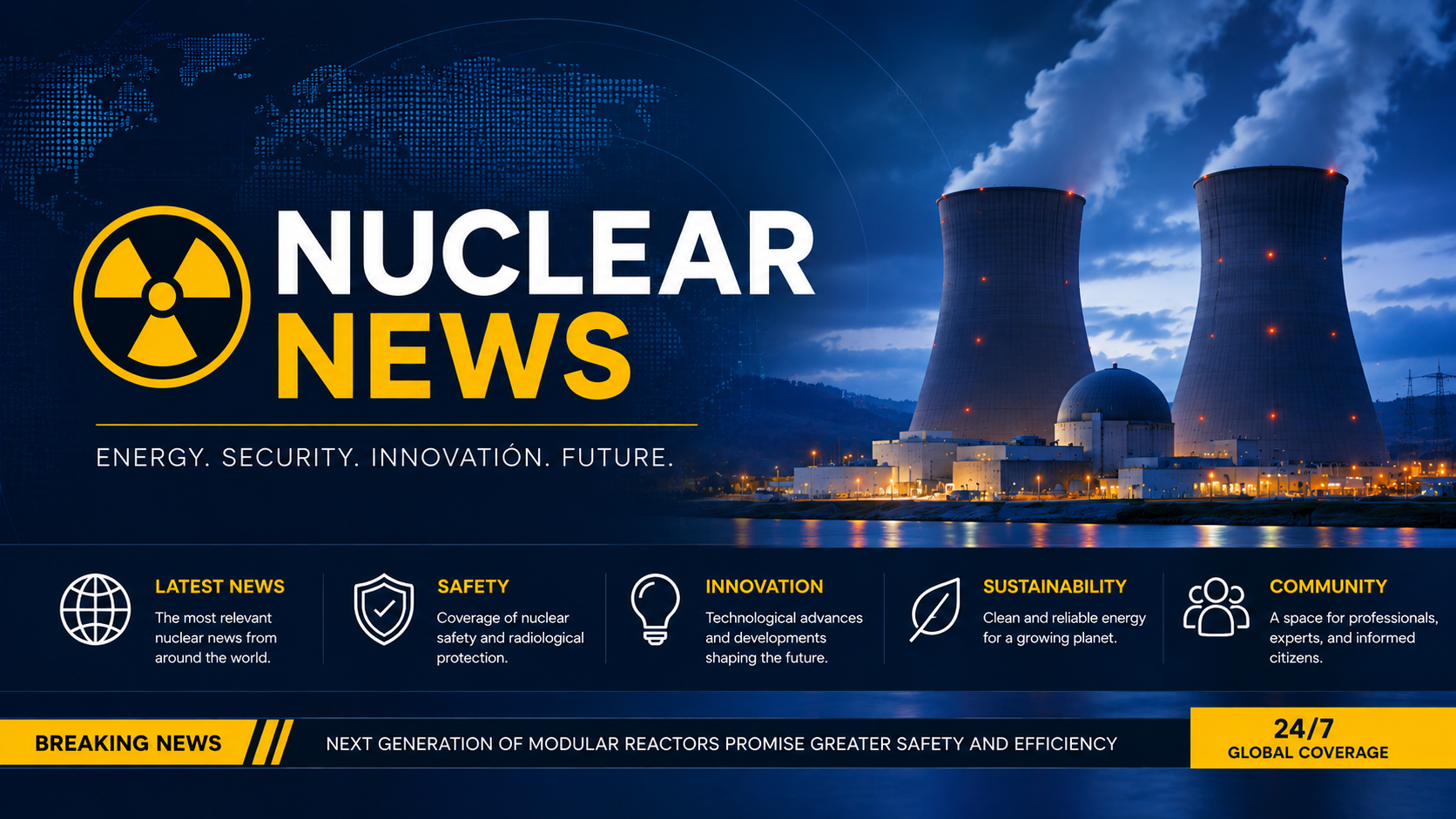
Photo: nuclear-news
2026-07-07 09:42 Current affairs 10


U.S. Proposes Overhaul of Nuclear Radiation Safety Regulations
The U.S.Nuclear Regulatory Commission (NRC) is proposing significant changes to radiation safety protocols for nuclear power plants, sparking debate among experts and industry stakeholders.
The proposed overhaul aims to replace the long-standing 'ALARA' principle—short for 'As Low As Reasonably Achievable'—which has guided radiation protection standards for decades.
Critics argue that eliminating ALARA could lead to increased exposure risks for workers and nearby communities, while proponents claim it will reduce regulatory burdens and lower operational costs for nuclear facilities.
The NRC's plan includes revising safety thresholds, streamlining compliance processes, and prioritizing economic efficiency over stringent safety measures.
Environmental groups and medical professionals have raised concerns about potential health impacts, citing historical incidents like the Chernobyl and Fukushima disasters as cautionary examples.Meanwhile, industry representatives argue that modern technology and updated risk assessments justify the changes.The proposal has ignited a contentious political debate, with lawmakers divided on balancing energy needs with public safety.This regulatory shift highlights broader tensions between industrial interests and environmental protection in the nuclear sector.
2186
Original title: US moves to eliminate longtime radiation safety principle for nuclear power
The AI system has determined that this news is not clickbait/sensationalist: : The original title is a straightforward headline about policy changes without sensationalist language or exaggerated claims. This has coincided with the opinion of the majority of users.
You may also be interested in...
Empire Managers Fabricate Threats to Avoid Addressing Real Global Issues
 President Herzog Blesses Former Gaza Hostages at Wedding Ceremony
 Severe thunderstorm warning disrupts Trump's planned Mount Rushmore speech in South Dakota