
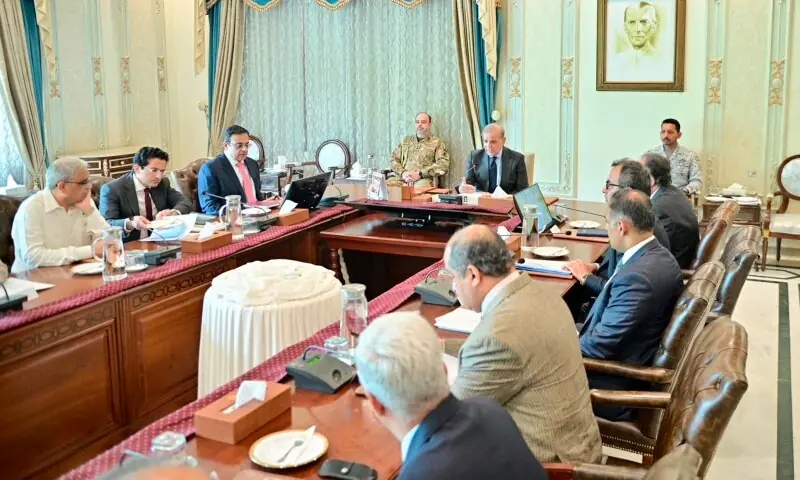
 PM Shehbaz Warns Regional Tensions Could Impact Pakistan's Economy
KillBait - News highlights delivered clearly and responsibly—no clickbait, no sensationalism
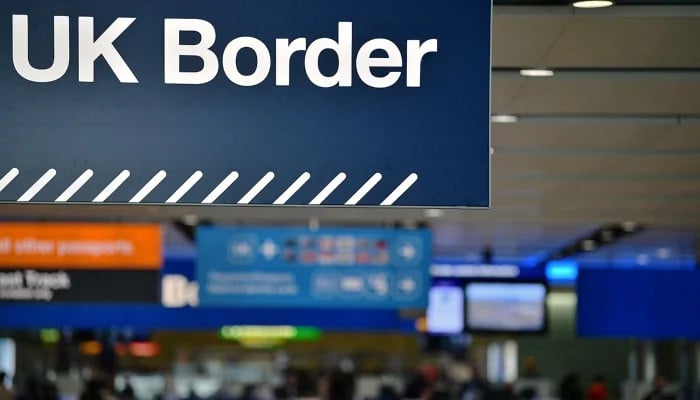
Photo: geo.tv
2026-07-16 19:37 Politics 10


UK and Pakistan Dispute Over Deportation of Rochdale Rapist
The article discusses the escalating diplomatic tension between the UK and Pakistan over the proposed deportation of Shabir Ahmed, the convicted leader of the Rochdale grooming gang.
UK Foreign Secretary Yvette Cooper emphasized the government's readiness to explore visa restrictions and other measures to enforce deportation, stating that Ahmed should not remain in the UK.Pakistan firmly rejected any association with the case, asserting that the matter is entirely Britain's responsibility.The Pakistani Foreign Office condemned child sexual abuse but clarified that Ahmed's crimes were committed in the UK and judged by British law.The dispute highlights broader issues of international legal responsibility and immigration enforcement.Cooper mentioned that the UK is also seeking the return of other offenders, citing previous agreements with countries like Angola and Namibia.
Pakistan's stance underscores its refusal to engage with what it considers a British internal matter, despite the UK's efforts to pressure Islamabad through diplomatic channels.
The case also raises questions about the legal complexities of deportation, including the UK's Immigration Act 1971 and the revocation of Ahmed's British citizenship.The article underscores the delicate balance between national sovereignty and international cooperation in addressing criminal justice issues.
2186
Original title: UK hints at visa restrictions as Pakistan rejects responsibility for Rochdale rapist
The AI system has determined that this news is clickbait/sensationalist: : The original title uses dramatic language about visa restrictions and responsibility, which is more sensational than factual. It frames the issue as a direct conflict between the two nations, amplifying tension for clickbait appeal. This has coincided with the opinion of the majority of users.
You may also be interested in...
PM Shehbaz Warns Regional Tensions Could Impact Pakistan's Economy
 EU Highlights Compliance Issues in Pakistan's GSP+ Framework, Calls for Addressing Shortcomings
 Indian Court Orders Health Monitoring for Hunger Striker Amid Protest Demands