
 Asian markets rise amid Wall Street gains and oil price pressures
KillBait - News highlights delivered clearly and responsibly—no clickbait, no sensationalism

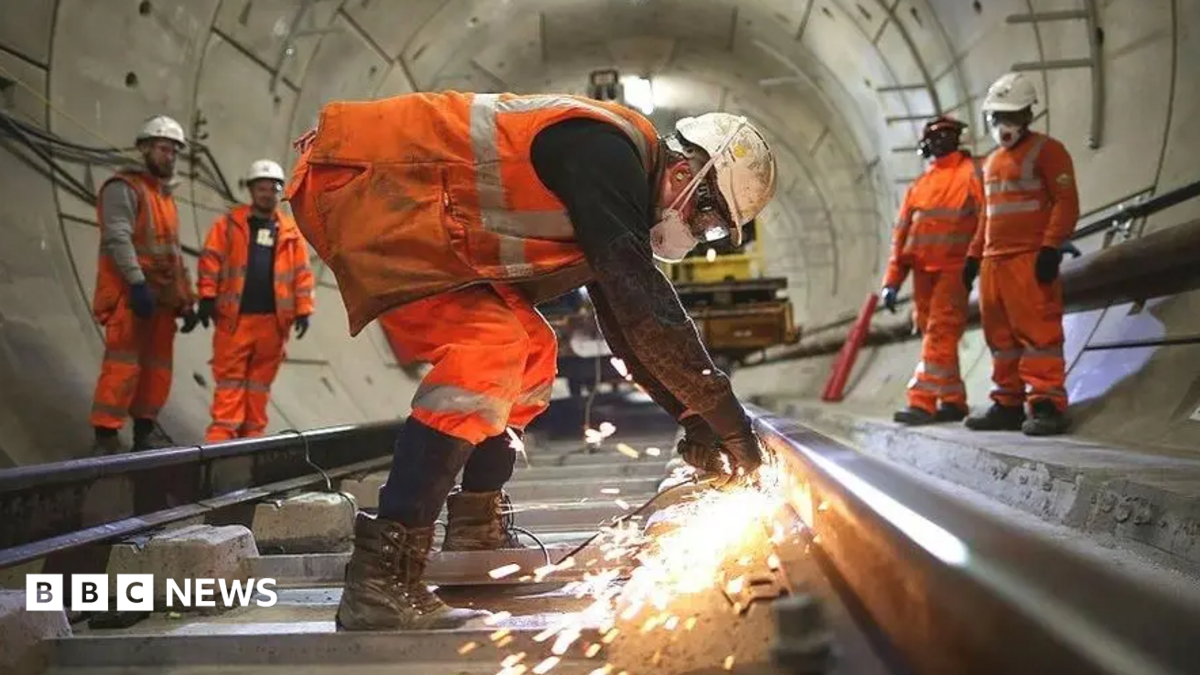
Photo: BBC
2026-07-22 18:03 Economy 10


UK Food Prices Drop, But Inflation Risks Rise as Energy Costs Increase
Food prices in the UK have fallen at their slowest rate in nearly two years, with staples like margarine and sugar seeing price declines due to supermarket competition and summer sales.However, overall inflation remains at 2.6% for the year to June 2026, driven by lower fuel and energy costs.Analysts warn this decline is temporary, as rising energy prices in July could push inflation higher.The Office for National Statistics (ONS) reported that food and non-alcoholic beverage inflation dropped by 0.2% month-to-month, with significant reductions in items like beef, edible offal, and pizza.
While lower fuel costs and seasonal discounts have eased inflationary pressures, the resumption of hostilities in the Middle East and higher crude oil prices threaten to reverse these gains.The British Retail Consortium attributes the price drops to intense supermarket competition, urging the government to address business costs.
New Prime Minister Andy Burnham faces pressure to balance cost-of-living measures with long-term economic stability, as rising energy bills and potential rate hikes loom.
The Bank of England’s target of 2% inflation remains unmet, with economists cautioning that sustained energy price increases could strain fiscal policy and financial markets.
2186
Original title: Some food prices have fallen – but inflation expected to rise from here
The AI system has determined that this news is not clickbait/sensationalist: : The original title is straightforward and factual, focusing on the dual narrative of falling food prices and rising inflation without sensationalism. This has coincided with the opinion of the majority of users.
You may also be interested in...
Asian markets rise amid Wall Street gains and oil price pressures
 UK government borrowing lower than expected in June
 Affordable Starter Cities in the UK: A Guide for First-Time Buyers and Renters