
 The Risks of Overreliance on AI in Writing and Politics
KillBait - News highlights delivered clearly and responsibly—no clickbait, no sensationalism
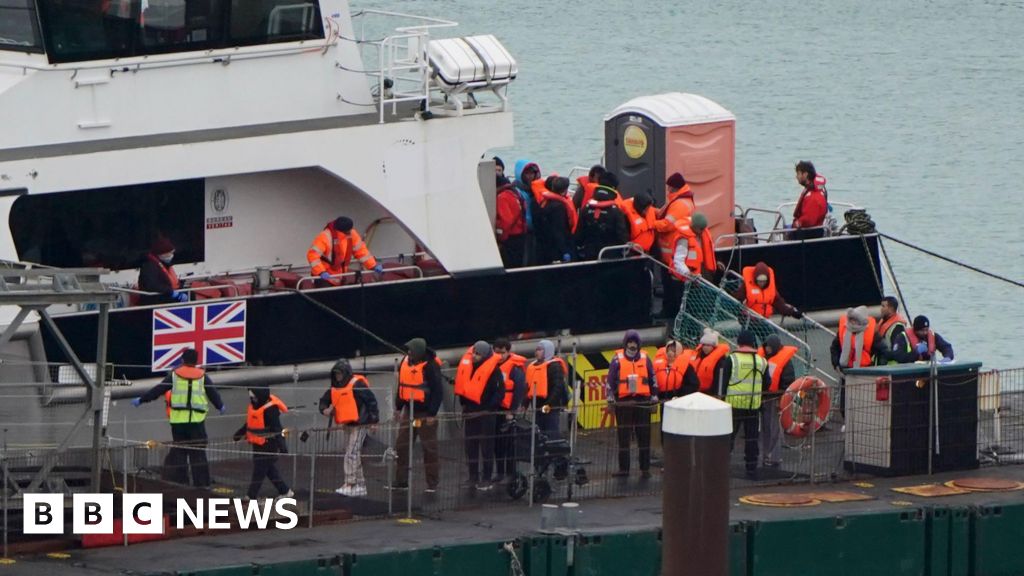
Photo: BBC
2026-05-29 12:08 Artificial intelligence 10 


UK to deploy AI facial recognition to estimate age of asylum seekers at borders from next year
The UK Home Office is set to introduce an artificial intelligence facial recognition system designed to estimate the age of asylum seekers at the border, with deployment expected from next year following further testing.
The technology aims to help identify adult migrants who may be falsely claiming to be children, a practice officials say can place vulnerable minors at risk and strain safeguarding resources.
Developed by a Harlow-based IT firm, Akhter Computers Ltd, under a £322,000 contract over three years, the system will analyse photographs taken at border processing centres to estimate a person’s age.
Initial testing on diverse image datasets, including those reflective of asylum-seeking populations, has reportedly shown promising accuracy, although it has not yet been used in live decision-making.
The system is expected to undergo its first live trials at the Western Jet Foil processing centre in Dover before a wider rollout anticipated in mid-2027.
It will operate alongside existing age assessment methods, which include document checks and, in some cases, medical techniques such as X-rays and MRI scans.
Immigration officers currently carry out assessments when age is uncertain, but the government argues that AI could provide an additional tool to improve consistency and efficiency.
However, the plan has sparked criticism from human rights organisations, including Human Rights Watch, which has described the approach as unproven and potentially harmful to children’s rights.
Concerns centre on the reliability of facial age estimation technology and the risk of misclassification, particularly given past reports of both adults being wrongly identified as children and vice versa.
Government data indicates that in recent years thousands of individuals claiming to be minors have been assessed, with a significant proportion found to be adults.
Despite the controversy, ministers argue the technology will help prevent system abuse and ensure resources are directed towards genuine child asylum seekers.
2189
Original title: AI facial recognition to check age of asylum seekers from next year
The AI system has determined that this news is not clickbait/sensationalist: : The original title is factual and descriptive, clearly summarising the policy development without exaggeration, emotional language, or sensational framing. This has coincided with the opinion of the majority of users.
You may also be interested in...
The Risks of Overreliance on AI in Writing and Politics
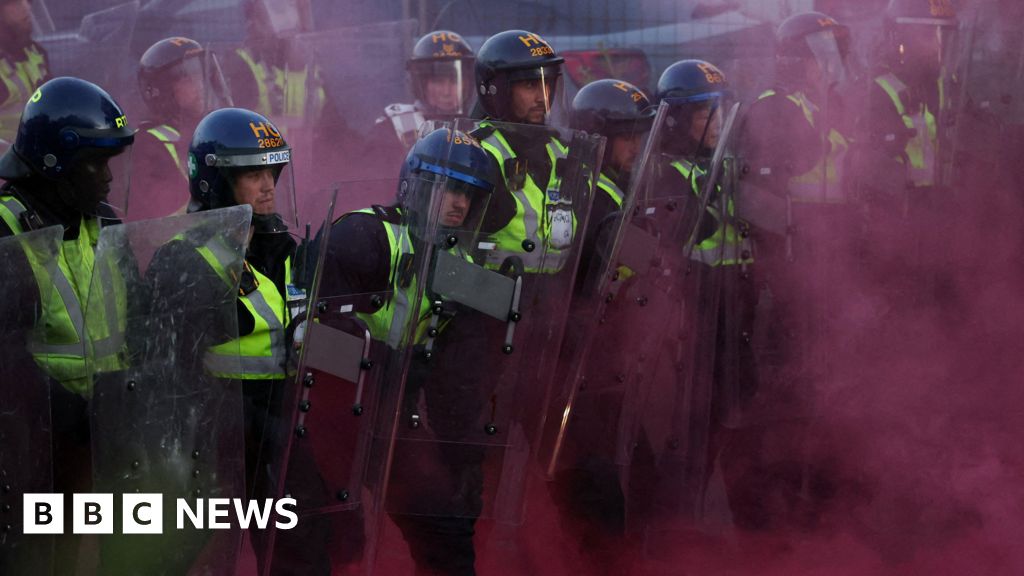 Violent protests in Southampton after Henry Nowak case leave 11 officers injured and two people arrested
 Andy Burnham’s Potential Return Highlights Labour’s Struggle to Rebuild a Post-Brexit Electoral Coalition