
 Ninja Slushi Twist: Dual-Vessel Frozen Drink Machine Review
KillBait - News highlights delivered clearly and responsibly—no clickbait, no sensationalism
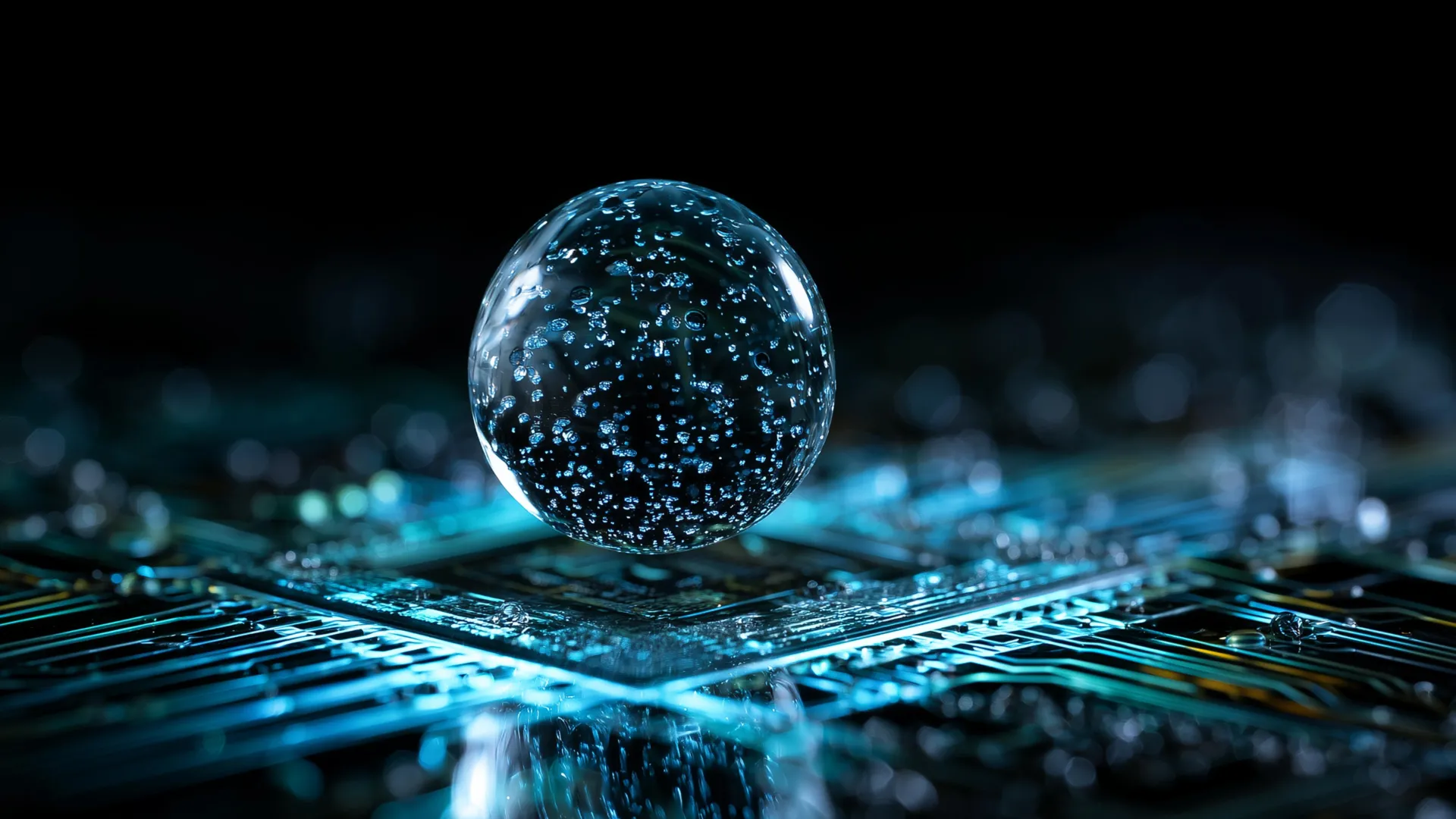
Photo: ScienceDaily
2026-07-12 05:57 Technology 10


Ultra-Fine Bubbles Offer Cleaner Inkjet Printing for Advanced Electronics
Researchers at Tokyo Metropolitan University have developed a groundbreaking method to enhance inkjet printing by utilizing ultra-fine bubbles instead of traditional chemical additives.This innovation allows precise control over how microscopic materials are deposited, eliminating unwanted chemical residues.
The technique involves dispersing nanoscale bubbles in ink droplets, which alter the liquid's surface tension and drying patterns without affecting the nanoparticles' properties.
By adjusting bubble concentrations, scientists can create uniform coatings or central particle accumulation, addressing challenges like the 'coffee ring' effect.This method is particularly valuable for manufacturing tiny electronic devices where residual additives could interfere with performance.
The approach ensures cleaner printing for applications such as gas sensors and conductive circuits, offering a sustainable alternative to conventional additives.
Supported by grants from JSPS KAKENHI and JKA Promotion Fund, the research highlights potential advancements in microelectronics and MEMS technologies.
2186
Original title: Tiny bubbles could revolutionize inkjet printing
The AI system has determined that this news is clickbait/sensationalist: : The original title uses hyperbolic language like 'revolutionize' which may exaggerate the impact, though the content supports its scientific validity. This has coincided with the opinion of the majority of users.
You may also be interested in...
Ninja Slushi Twist: Dual-Vessel Frozen Drink Machine Review
 AI Billionaires' Philanthropy and Political Influence