
 Understanding the Psychology Behind Buying Unread Books
KillBait - News highlights delivered clearly and responsibly—no clickbait, no sensationalism
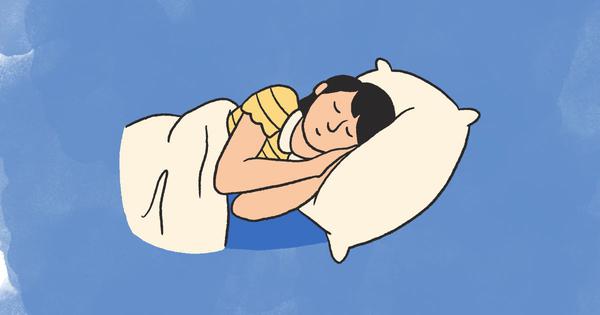
Photo: Scroll.in
2026-07-26 21:39 Science 10


Understanding Sleep Debt and Recovery: How the Body Handles Short Sleep
The article explores the concept of sleep debt and challenges the idea that it functions like a financial obligation.It explains that sleep pressure, which builds with wakefulness, is the key factor in sleep regulation.While short sleep can disrupt biological systems, the body adapts by prioritizing deep sleep and adjusting sleep patterns.Recovery sleep doesn't simply 'make up' lost hours but involves deeper, more efficient rest.Cognitive performance takes longer to recover, and tracking sleep debt may inadvertently increase anxiety.The piece emphasizes that the human body is resilient and can recover from sleep deficits without rigid repayment.It also highlights the variability in individual sleep needs, debunking the notion of a fixed 'sleep requirement.' Ultimately, the focus is on understanding the dynamic nature of sleep rather than chasing a 'debt' to zero.
2187
Original title: Can you pay off your ‘sleep debt’?
The AI system has determined that this news is not clickbait/sensationalist: : The original title is engaging but not overtly sensationalist. It poses a relatable question without exaggerating the topic. This has coincided with the opinion of the majority of users.
You may also be interested in...
Understanding the Psychology Behind Buying Unread Books
 ICMR Transfers Indigenous Medical Technologies to Pharma Firms for Cervical Cancer and Vaccine Development
 Government and opposition prepare for parliamentary clash over NEET reforms and student protests