
 Upcoming Football Competitions After the 2026 FIFA World Cup
KillBait - News highlights delivered clearly and responsibly—no clickbait, no sensationalism
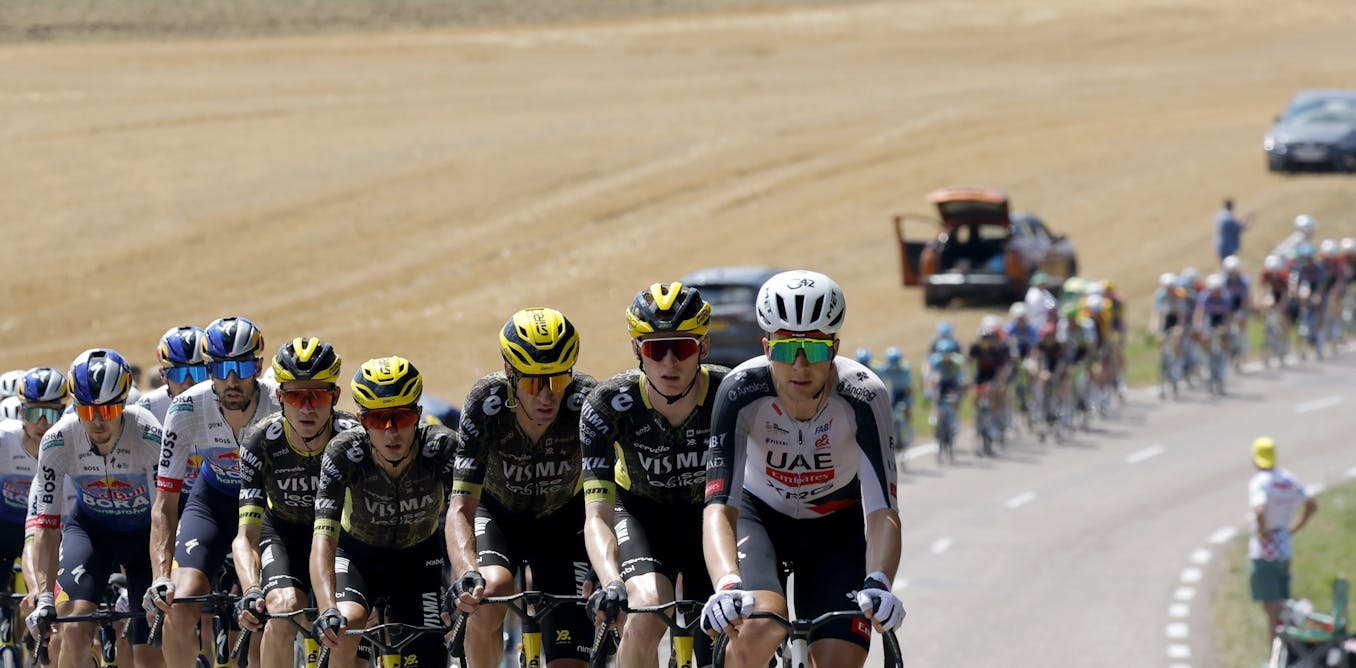
Photo: The Conversation
2026-07-22 07:56 Sports 10


Understanding the roles and strategies in the Tour de France peloton
The Tour de France is one of the most physically demanding sporting events, with the peloton—the main group of riders—playing a central role.Riders are divided into specialized roles: sprinters target the green jersey through points, climbers aim for the polka-dot jersey, and domestiques support their team leaders.
The peloton's dynamics involve tactical decisions, with teams balancing support for leaders, managing risks in crashes, and adapting strategies across different terrains.For example, on flat stages, sprinters are prioritized, while climbers dominate mountain stages.The 2026 race featured 184 men’s riders and 154 women’s riders, all part of teams with no independent competitors.Leadership structures vary, with some teams having co-leaders like Remco Evenepoel and Florian Lipowitz, creating complex tactical scenarios.The peloton’s hierarchy is shaped by alliances, rivalries, and the need to minimize aerodynamic drag while maximizing performance.This intricate system highlights the blend of physical endurance, strategy, and teamwork that defines the Tour de France.
Full reading at The Conversation
2186
Original title: Domestiques, sprinters and climbers: who's who in the Tour de France peloton (and why it matters)
The AI system has determined that this news is not clickbait/sensationalist: : The original title is informative and directly relates to the article’s content about rider roles and strategies, without sensationalist language. This has coincided with the opinion of the majority of users.
You may also be interested in...
Upcoming Football Competitions After the 2026 FIFA World Cup
 Sean McCann to compete in Commonwealth Games amid family's search for missing sister
 Australia's Track and Field Pros Shine at Commonwealth Games