
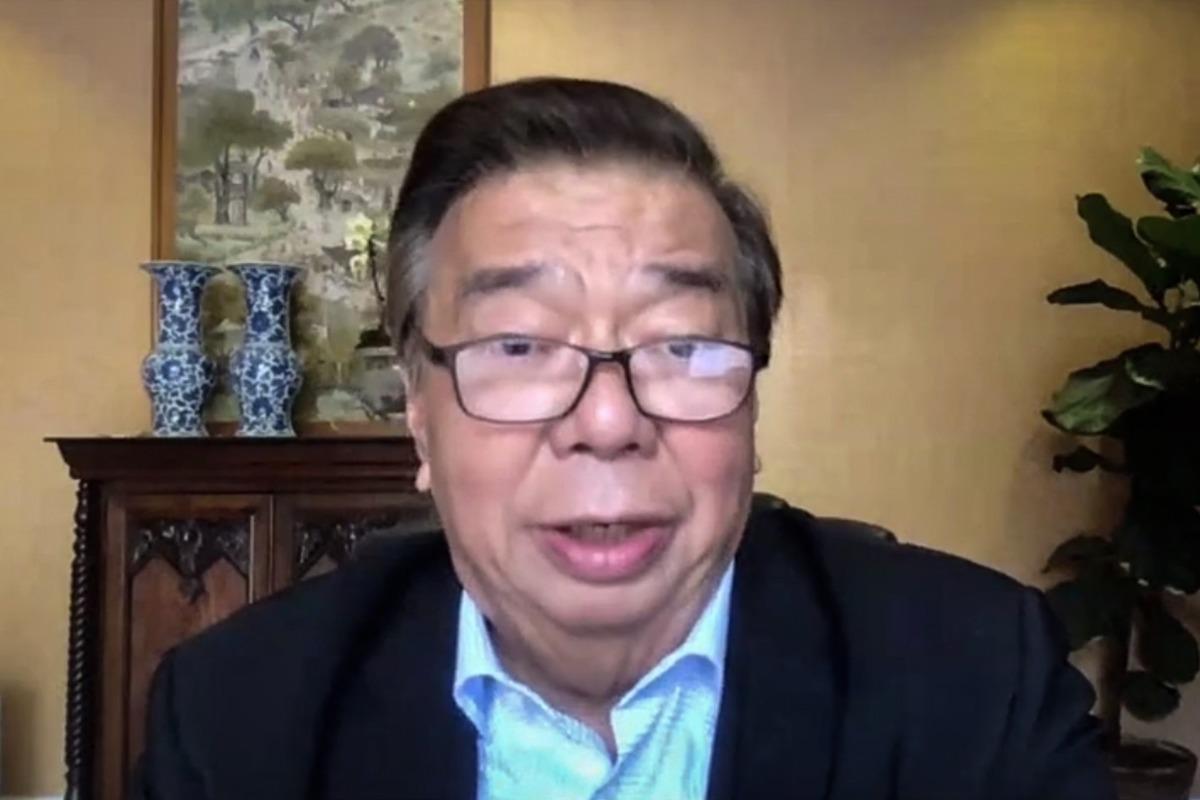
 Senate impeachment court allows subpoena of Sara Duterte’s financial records for corruption probe
KillBait - News highlights delivered clearly and responsibly—no clickbait, no sensationalism
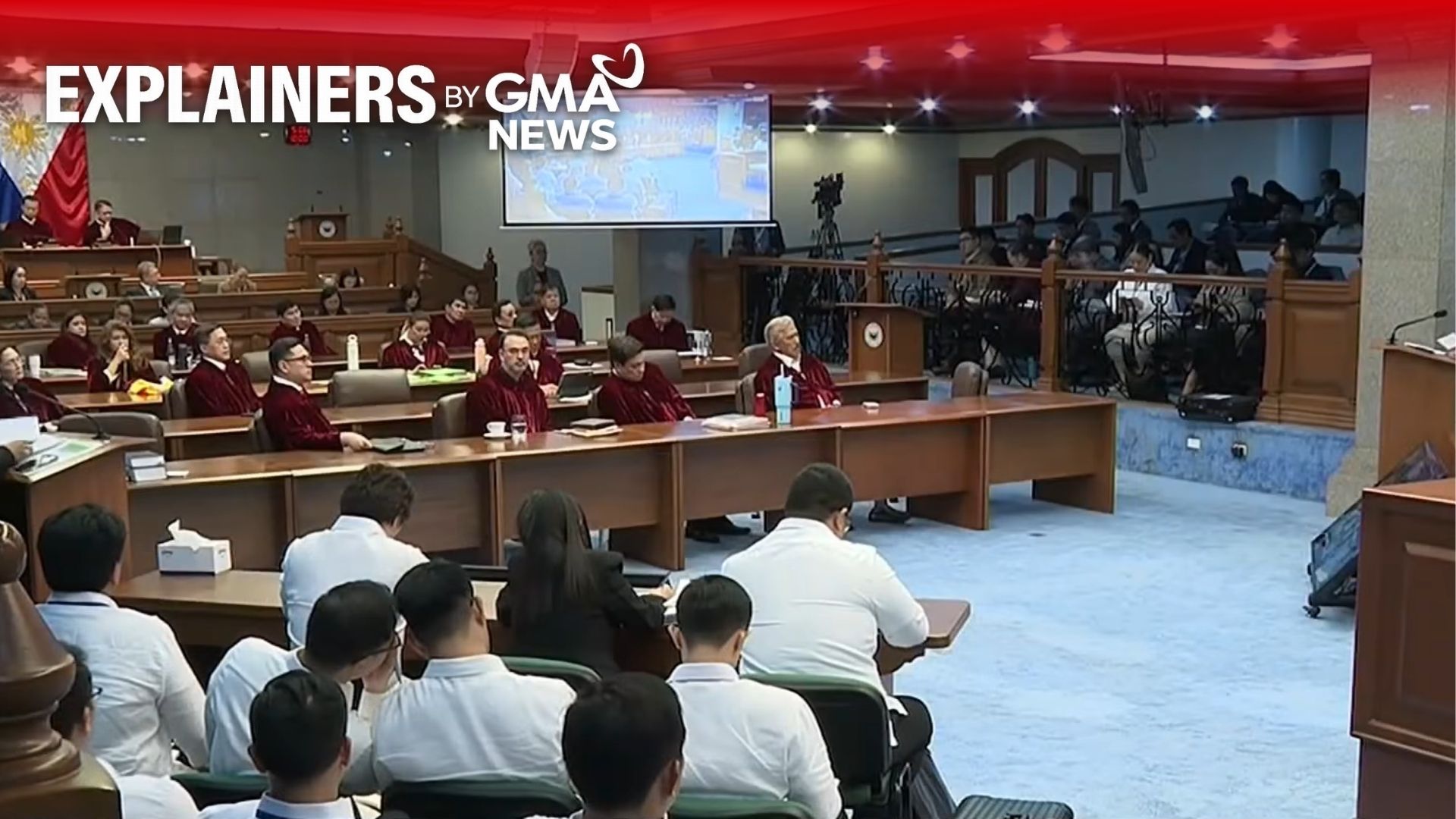
Photo: gmanetwork.com
2026-07-20 15:25 Politics 10


Understanding Ultimate and Evidentiary Facts in Duterte's Impeachment Case
The Senate impeachment court continued the trial of Vice President Sara Duterte, focusing on her alleged unexplained wealth.House prosecutor Chel Diokno outlined 'ultimate facts'—the core elements of the impeachment case—such as her disproportionate wealth, failure to disclose assets, and continued business interests during her tenure.These ultimate facts are supported by 'evidentiary facts,' which are specific details proving the allegations.Legal experts explain that ultimate facts are essential for a case's success, while evidentiary facts provide the supporting evidence.
The prosecution's presentation included testimony from National Bureau of Investigation (NBI) Director Melvin Matibag, marking the 'finale' of their arguments under Article IV, which addresses Duterte's alleged threats against President Ferdinand Marcos Jr.and others.
The article clarifies the legal distinction between these two types of facts, emphasizing their roles in establishing the impeachment case's validity.
Full reading at gmanetwork.com
2186
Original title: EXPLAINER: What are 'ultimate facts' and 'evidentiary facts'?
The AI system has determined that this news is not clickbait/sensationalist: : The original title is straightforward as an explainer, focusing on legal terminology rather than sensationalizing the impeachment case. This has coincided with the opinion of the majority of users.
You may also be interested in...
Senate impeachment court allows subpoena of Sara Duterte’s financial records for corruption probe
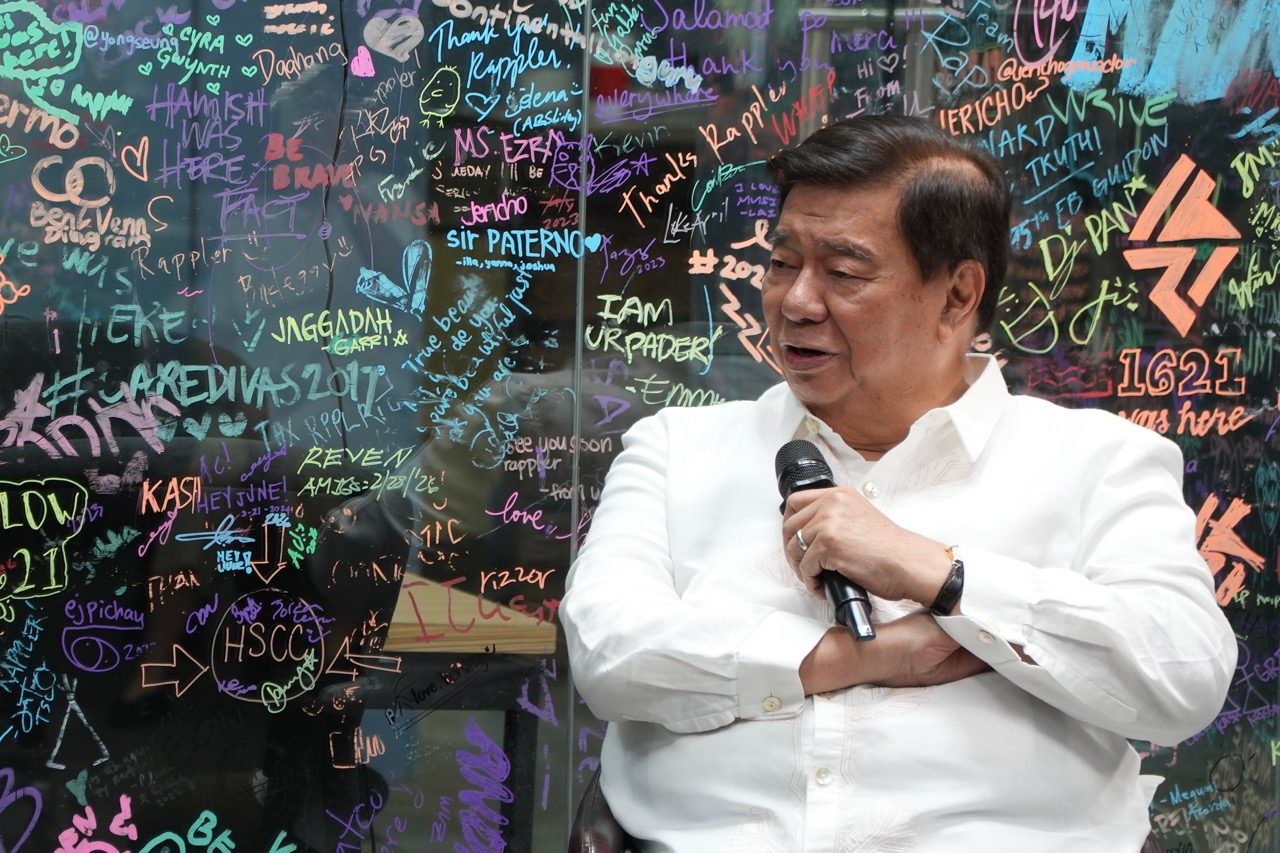 Franklin Drilon calls for efficient management of Sara Duterte's impeachment trial amid public fatigue
 Lorenz Defensor's Role in Sara Duterte's Impeachment Trial