
 Civil society protests in Pretoria urge Agriculture Minister to address food insecurity in South Africa
KillBait - News highlights delivered clearly and responsibly—no clickbait, no sensationalism
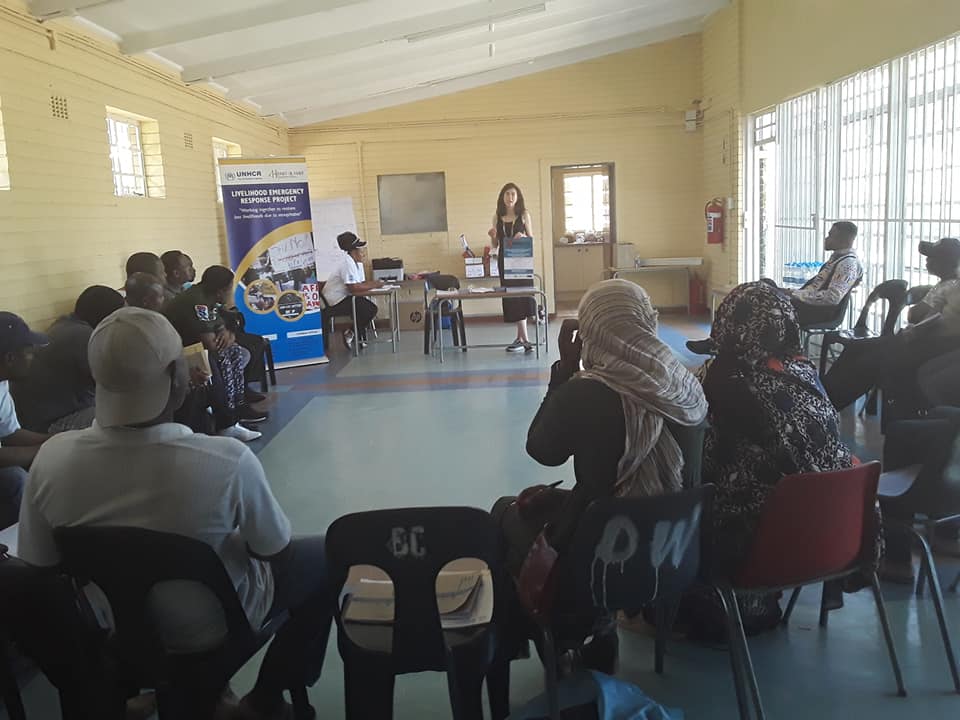
Photo: The Mail & Guardian
2026-05-29 06:29 Society 10 


Understanding Xenophobia in South Africa: Causes, Impact, and Political Exploitation
Xenophobic violence in South Africa has been a persistent issue since the country’s transition to democracy in 1994.Research by Xenowatch at the University of the Witwatersrand reports 873 incidents between 1994 and 2021, including over 600 deaths, more than 1 100 physical assaults, 122 000 people displaced, and over 6 300 properties looted or damaged.
These attacks are often politically orchestrated, with far-right organisations such as Operation Dudula using social media to mobilise support and incite violence against foreign nationals.Hate-filled hashtags and online campaigns amplify xenophobic sentiments, creating a culture of exclusion.
Misleading claims, like foreigners dominating academic positions, distract from structural issues such as unemployment, a dysfunctional visa system, and inequality.
Xenophobic attitudes are not limited to any one demographic and can be exploited by political figures to further personal interests, mirroring patterns seen in far-right movements abroad.
The denial of xenophobia by leaders and the framing of such violence as ordinary crime reflect a lack of political will to address the problem, while impunity and inadequate law enforcement allow the pattern to persist.Ultimately, xenophobic attacks impact the whole nation, undermining social cohesion and democratic principles.
Full reading at The Mail & Guardian
2186
Original title: Denying SA is xenophobic: sounds like Trump’s Maga
The AI system has determined that this news is clickbait/sensationalist: : The original title frames the issue with a provocative comparison to Trump’s Maga movement, which sensationalises the topic and may exaggerate the link for attention. This has coincided with the opinion of the majority of users.
You may also be interested in...
Civil society protests in Pretoria urge Agriculture Minister to address food insecurity in South Africa
 Ghana organises voluntary evacuation of citizens from South Africa amid rising anti-migrant protests
 JMPD clarifies viral video: no arrests made and old footage misrepresented as stolen traffic light incident