
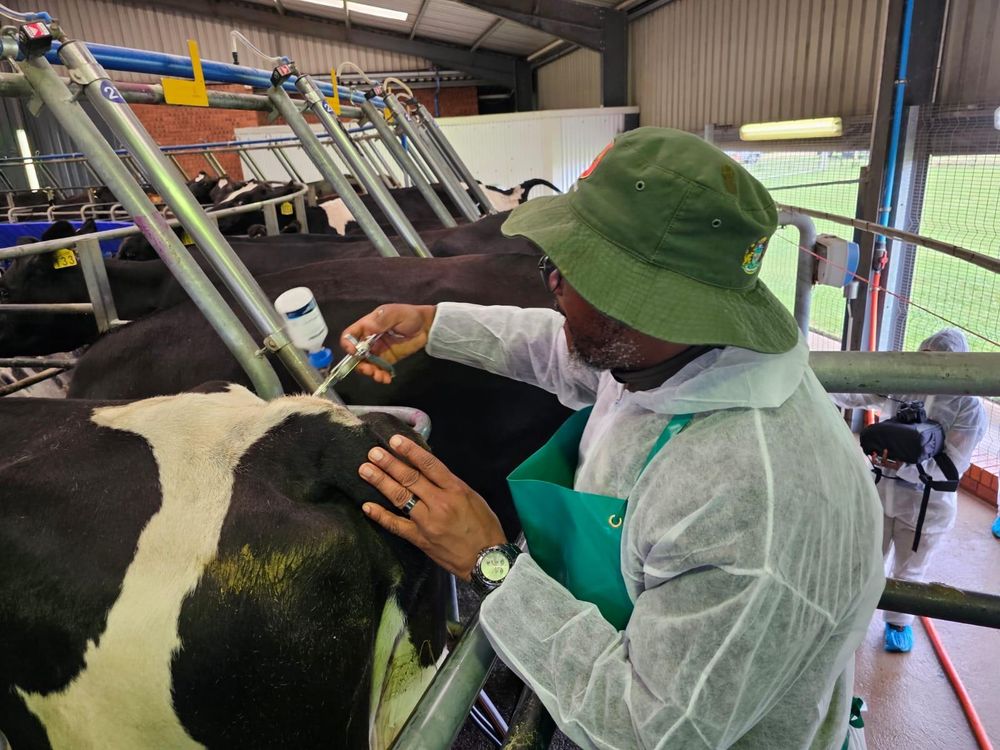
 South Africa Launches Online System for Livestock Vaccination to Combat FMD Outbreaks
KillBait - News highlights delivered clearly and responsibly—no clickbait, no sensationalism
Photo: TimesLIVE
2026-07-26 17:04 Current affairs 10


UNESCO designates Normandy landing sites and Mount Olympus as World Heritage Sites
On Sunday July 26, 2026, the UNESCO World Heritage Committee added France’s D-Day landing beaches in Normandy and Greece’s Mount Olympus to the World Heritage list during a meeting in Busan, South Korea.The decision also included Japan’s Asuka and Fujiwara ancient capitals, along with South Sudan’s Boma-Badingilo Migratory Landscape.
The Normandy sites cover five key beaches—Omaha, Utah, Sword, Gold, and Juno—where Allied forces launched the pivotal 1944 invasion to liberate Western Europe from Nazi control.
These areas retain extensive historical remnants, including German fortifications and Allied infrastructure, which ICOMOS highlighted as symbols of peace and freedom.Preservation efforts face challenges like tourism, climate change, and coastal development.
Greece’s Mount Olympus, a cultural-natural site, was recognized after 12 years of advocacy, emphasizing its mythological significance and biodiversity.
Japan’s sites preserve ancient capitals that shaped early centralized governance, while South Sudan’s landscape hosts one of the world’s largest mammal migrations.UNESCO stressed the importance of safeguarding these sites for future generations.
2187
Original title: Unesco adds France’s D-Day landing beaches, Greece’s Mount Olympus to World Heritage list
The AI system has determined that this news is not clickbait/sensationalist: : The original title is factual and concise, focusing on the UNESCO designation without sensationalist language or exaggeration. This has coincided with the opinion of the majority of users.
You may also be interested in...
South Africa Launches Online System for Livestock Vaccination to Combat FMD Outbreaks
 Socioeconomic Crisis in South Africa Deepened by Migrant Struggles
 Government warns against unverified migration claims to protect social cohesion