
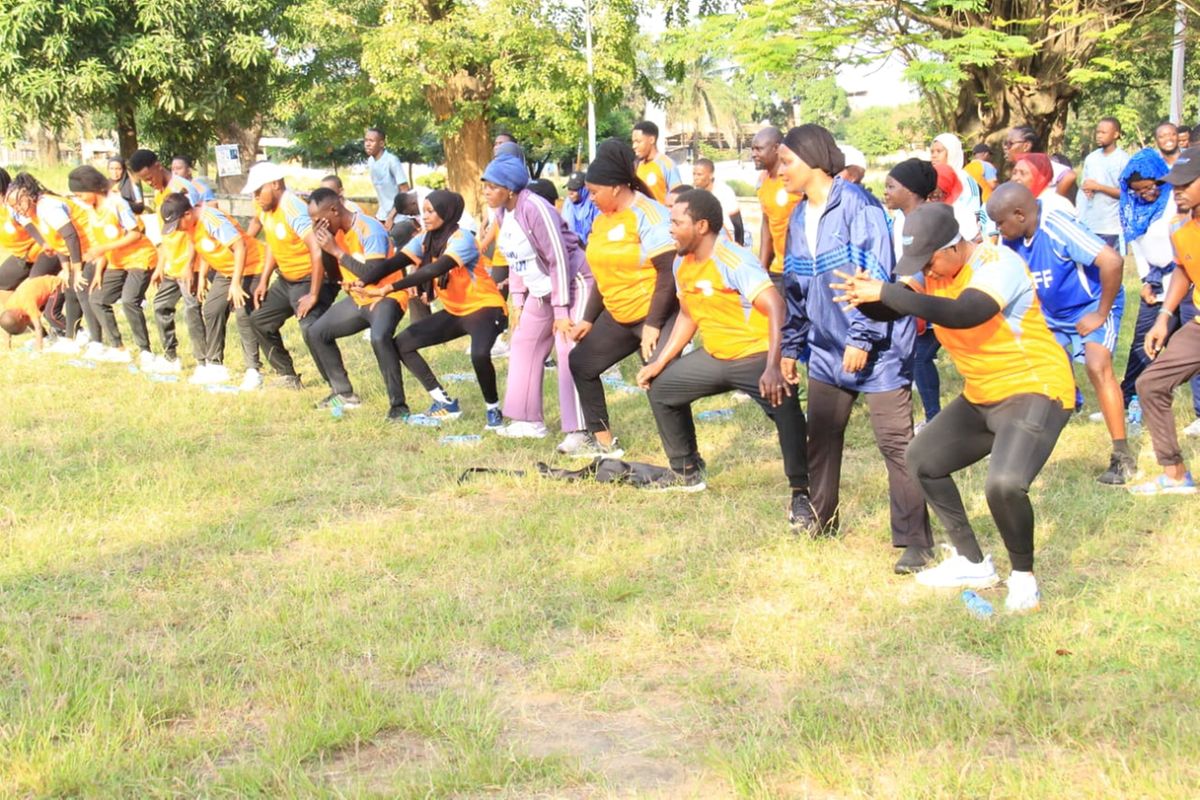
 Mobility Aid Distribution to Support 130 People with Disabilities and Improve Independent Living
KillBait - News highlights delivered clearly and responsibly—no clickbait, no sensationalism
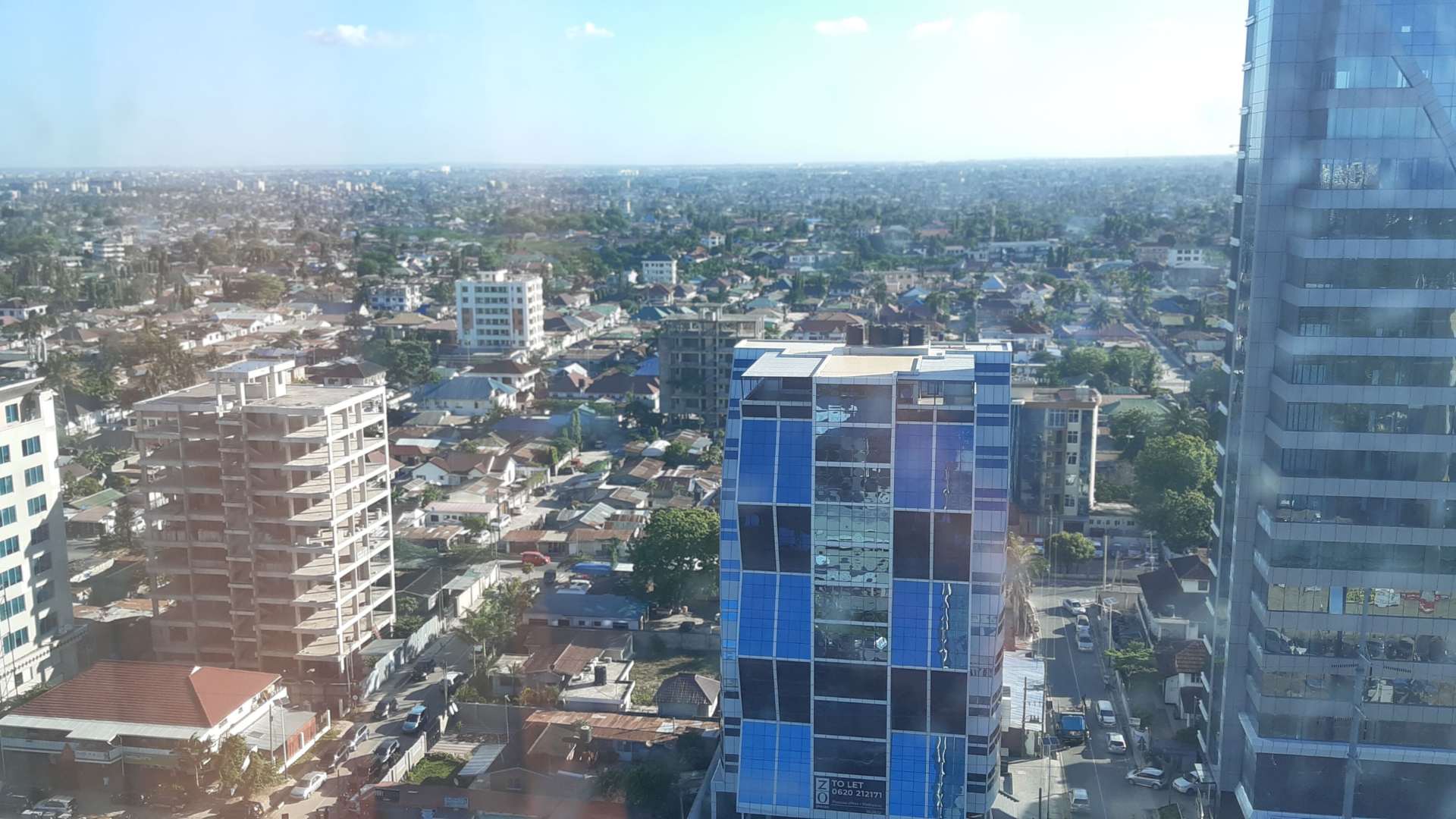
Photo: The Chanzo Inititative
2026-07-13 17:20 Society 10


Urban Development in Dar es Salaam: Balancing Growth and Public Spaces
The article explores the transformation of Dar es Salaam's public spaces into private developments, highlighting the loss of communal areas that once fostered community life.
It contrasts the past, where children played in empty fields and adults relaxed in shared spaces, with the present, where urbanization has prioritized commercial interests over public recreation.
The piece critiques the lack of inclusive urban planning, urging cities to design spaces that reflect local culture and provide for communal well-being.
It envisions a Dar es Salaam that integrates natural elements, public art, and walkable neighborhoods, ensuring cities become places of belonging rather than concrete jungles.
The author calls for a rethinking of urban growth to preserve memories and create environments where people can thrive, emphasizing that development should serve the community, not just economic interests.
Full reading at The Chanzo Inititative
2186
Original title: Dar es Salaam: We’re Building a City, But For Whom?
The AI system has determined that this news is clickbait/sensationalist: : The original title uses a provocative rhetorical question to spark curiosity, a common tactic in clickbait headlines. This has coincided with the opinion of the majority of users.
You may also be interested in...
Mobility Aid Distribution to Support 130 People with Disabilities and Improve Independent Living
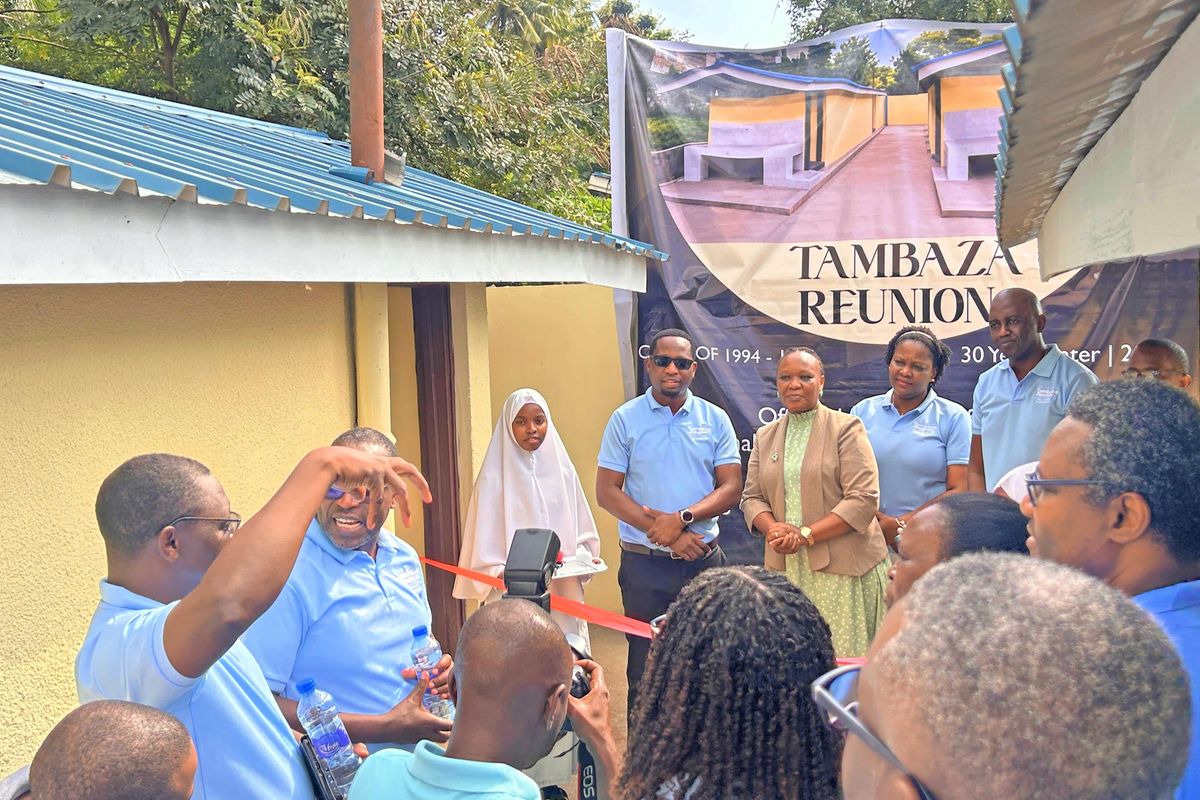 Alumni urged to invest in school development for future generations
 Morogoro Development Projects Struggle with Delays and Poor Quality