
 Jesy Nelson Announces Expansion of Screening Tests Across the UK in Her SMA Campaign
KillBait - News highlights delivered clearly and responsibly—no clickbait, no sensationalism
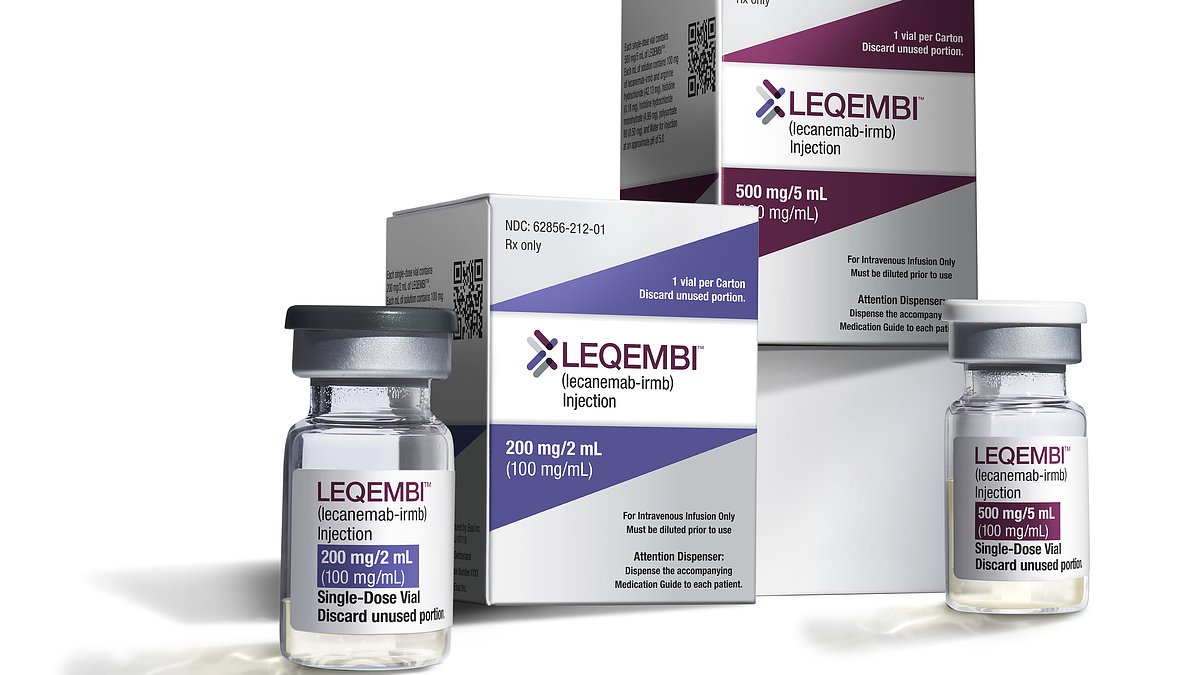
Photo: Mail Online
2026-07-15 01:16 Health 13


US approves self-injectable lecanemab for early Alzheimer's disease, raising hopes for future NHS availability
The US Food and Drug Administration (FDA) has approved a self-injectable version of lecanemab for people with early Alzheimer's disease, marking a significant development in the treatment of the condition.
Unlike the existing intravenous formulation, which requires hour-long hospital infusions, the new treatment can be administered at home once a week in approximately 15 seconds using an auto-injector.Researchers and patient organisations believe this could reduce pressure on healthcare services and improve convenience for patients and carers.
Clinical evidence presented by the manufacturer, Eisai, suggests that patients who begin treatment early and have relatively low levels of amyloid in the brain may experience a delay in disease progression of up to 8.3 years.
Lecanemab works by targeting and helping to remove amyloid protein deposits associated with Alzheimer's disease, making it one of the first treatments aimed at modifying the underlying disease rather than simply managing symptoms.
In the UK, the intravenous version is licensed but is not currently available on the NHS after NICE concluded it was not cost-effective, largely because of the high costs associated with hospital-based infusions.
Alzheimer's Research UK and the Alzheimer's Society said the injectable formulation could improve cost-effectiveness by reducing administration costs, although they stressed that NHS diagnostic and treatment capacity would still need substantial investment before widespread use is possible.
The UK's Medicines and Healthcare products Regulatory Agency (MHRA) is expected to review the injectable version, while NICE is reconsidering evidence relating to lecanemab and is expected to publish an updated decision in the coming months.
2241
Original title: 'Game-changer' self-injectable drug that can slow Alzheimer's progression by up to eight years is approved in US
The AI system has determined that this news is clickbait/sensationalist: : The headline uses emotive language such as 'game-changer' and highlights the maximum potential benefit of 'up to eight years', which applies only to a specific group of patients in clinical analyses. It also implies imminent NHS availability, although this still depends on UK regulatory approval and NICE's assessment. This has coincided with the opinion of the majority of users.
You may also be interested in...
Jesy Nelson Announces Expansion of Screening Tests Across the UK in Her SMA Campaign
 Plant-based diets linked to lower heart disease risk in new research
 Jeremy Clarkson's Cancer Diagnosis Revealed in Unscripted TV Moment