
 Trump and Iran Engage in Final Stage of Peace Talks Amid Tensions
KillBait - News highlights delivered clearly and responsibly—no clickbait, no sensationalism
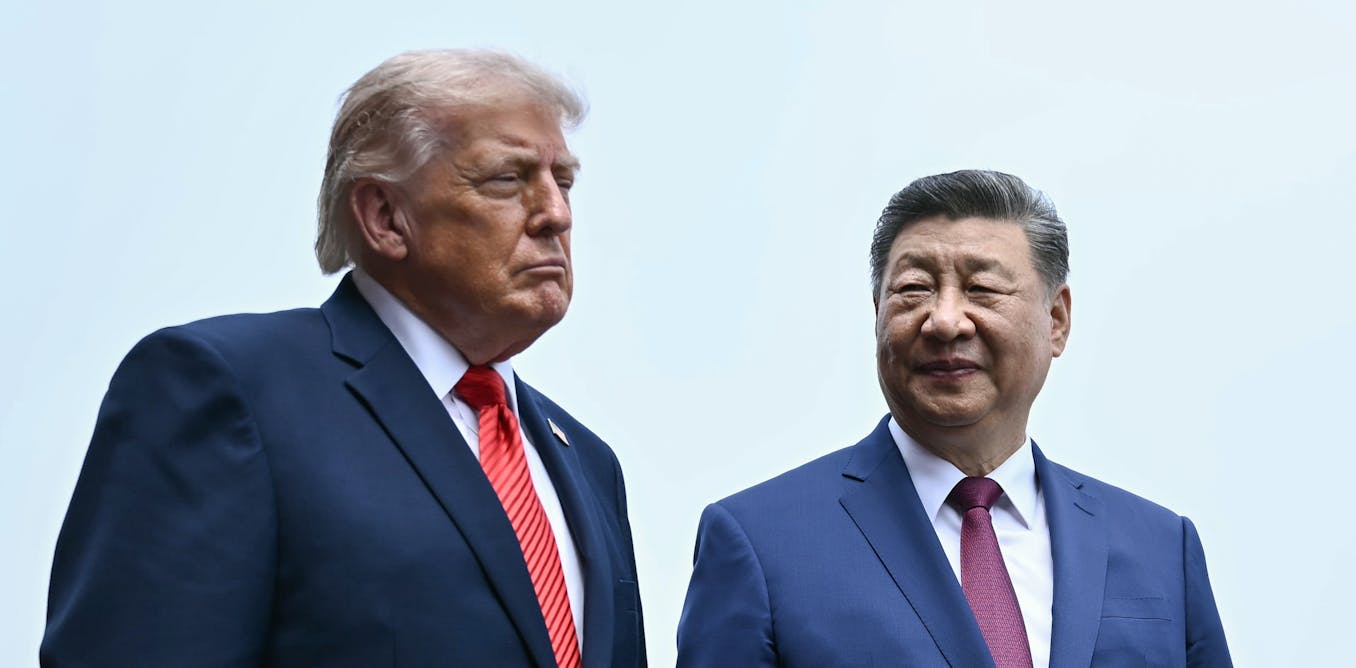
Photo: The Conversation
2026-05-15 12:26 Geopolitics 29 


US-China Cooperation Raises Global Concerns Over Hidden Costs
The recent summit between US President Donald Trump and Chinese President Xi Jinping marks a new phase in the relationship between the world's two largest economies.
While the term 'G2' once symbolised a cooperative effort with positive spillovers for the global economy, the current agenda appears more self-interested and opaque.
Unlike previous economic collaborations, the deals discussed—ranging from tariffs to rare earth minerals, semiconductors, and aircraft orders—seem aimed at serving bilateral strategic interests rather than advancing multilateral economic liberalisation.
Business executives accompanying the leaders underline the commercial focus, though the broader implications could be geopolitical, with countries like Taiwan and Iran potentially bearing the costs of decisions made behind closed doors.
Analysts warn that this private G2 dynamic risks sidelining middle powers and weakening the rules-based global order, suggesting that the US-China partnership may increasingly prioritise a great-power bargain over shared global benefits.
Ultimately, while markets may react positively to immediate trade announcements, the summit highlights a shift away from transparent multilateral cooperation toward a system where strategic technologies and regional influence become bargaining chips.
Full reading at The Conversation
2408
Original title: After an opaque summit, China and the US want to work together again. That might not be good news for the world
The AI system has determined that this news is clickbait/sensationalist: : The original title uses dramatic language like 'opaque summit' and 'might not be good news for the world', which sensationalises the story without detailing the nuanced economic and geopolitical context. This has coincided with the opinion of the majority of users.
You may also be interested in...
Trump and Iran Engage in Final Stage of Peace Talks Amid Tensions
 Australia to invest $11 billion to extend service life of Collins-class submarines
 Trump Pauses Planned Military Strike on Iran Amid Middle East Negotiations