
 Report: U.S. officials privately concerned Iran is rebuilding military capacity during ceasefire
KillBait - News highlights delivered clearly and responsibly—no clickbait, no sensationalism
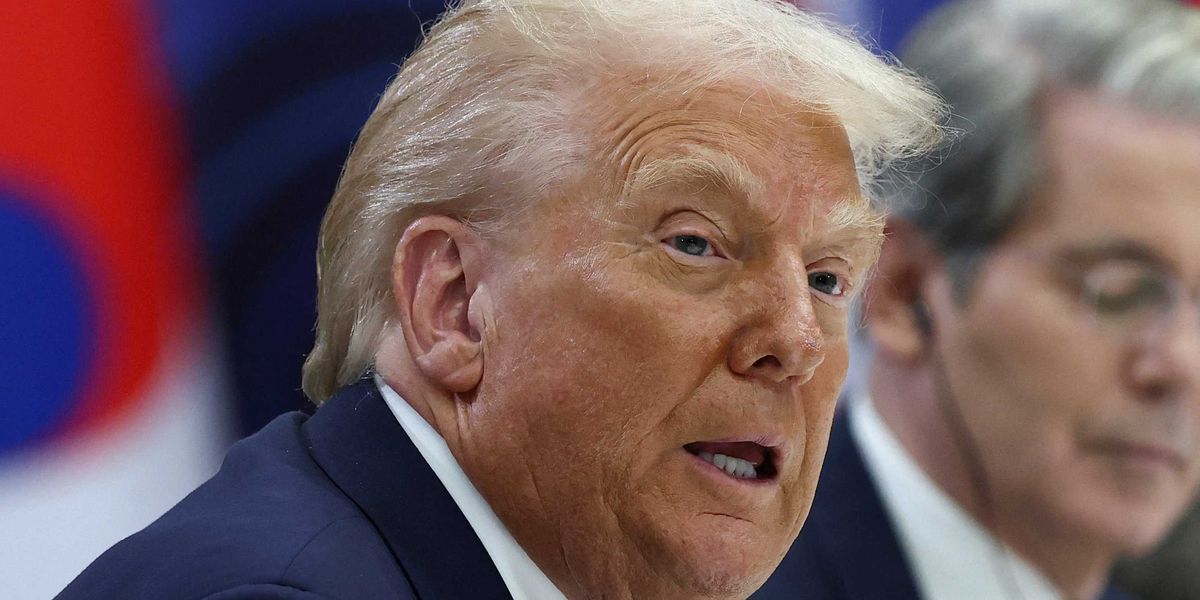
Photo: Raw Story - Celebrating 20 Years of Independent Journalism
2026-06-10 15:32 Geopolitics 12 


US Inflation Rises to 4.2 Percent in May Due to Oil Disruptions from Iran Conflict
The latest Consumer Price Index data released by the Bureau of Labor Statistics shows that inflation in the United States climbed to 4.2 percent in May 2026, marking a three-year high.This represents a significant increase from the 2.4 percent annual rate recorded before the escalation of conflict in the Middle East earlier in the year.Prices rose by 0.5 percent in May alone, according to reports from The New York Times.The primary driver behind this surge is the ongoing conflict involving Iran, which has led to a near-complete shutdown of the Strait of Hormuz.This critical waterway handles approximately 20 percent of global oil traffic, and its disruption has caused fuel prices to skyrocket.
Higher energy costs have rippled through the economy, increasing expenses for logistics and transportation, which in turn affect the prices of everyday goods and services.
President Donald Trump has faced criticism for downplaying the domestic economic impacts, stating that concerns over regular Americans' financial situations are secondary to preventing Iran from acquiring nuclear weapons.While the president has indicated that a resolution to the conflict may be imminent, no specific timeline or details have been provided.
Economists warn that prolonged instability in oil supply chains could sustain inflationary pressures, potentially complicating monetary policy decisions by the Federal Reserve.
The situation underscores the interconnectedness of geopolitical events and domestic economic conditions, with working families bearing the brunt of higher costs for fuel, groceries, and other essentials amid the uncertainty.This development comes as the administration navigates complex international relations and their repercussions on the U.S.economy.
Full reading at Raw Story - Celebrating 20 Years of Independent Journalism
2224
Original title: Trump gets bad news as inflation spikes again amid Iran crisis
The AI system has determined that this news is clickbait/sensationalist: : The original title uses sensational language like 'bad news' and 'spikes again' to dramatize the story and attract clicks, rather than neutrally stating the economic data and context. This has coincided with the opinion of the majority of users.
You may also be interested in...
Report: U.S. officials privately concerned Iran is rebuilding military capacity during ceasefire
 Max Boot Criticizes Trump's Handling of Stalemated Iran War with No Clear Exit Strategy
 Iranian Parliament Speaker Warns U.S. Bases Could Become Targets Following Escalation in Lebanon Conflict