
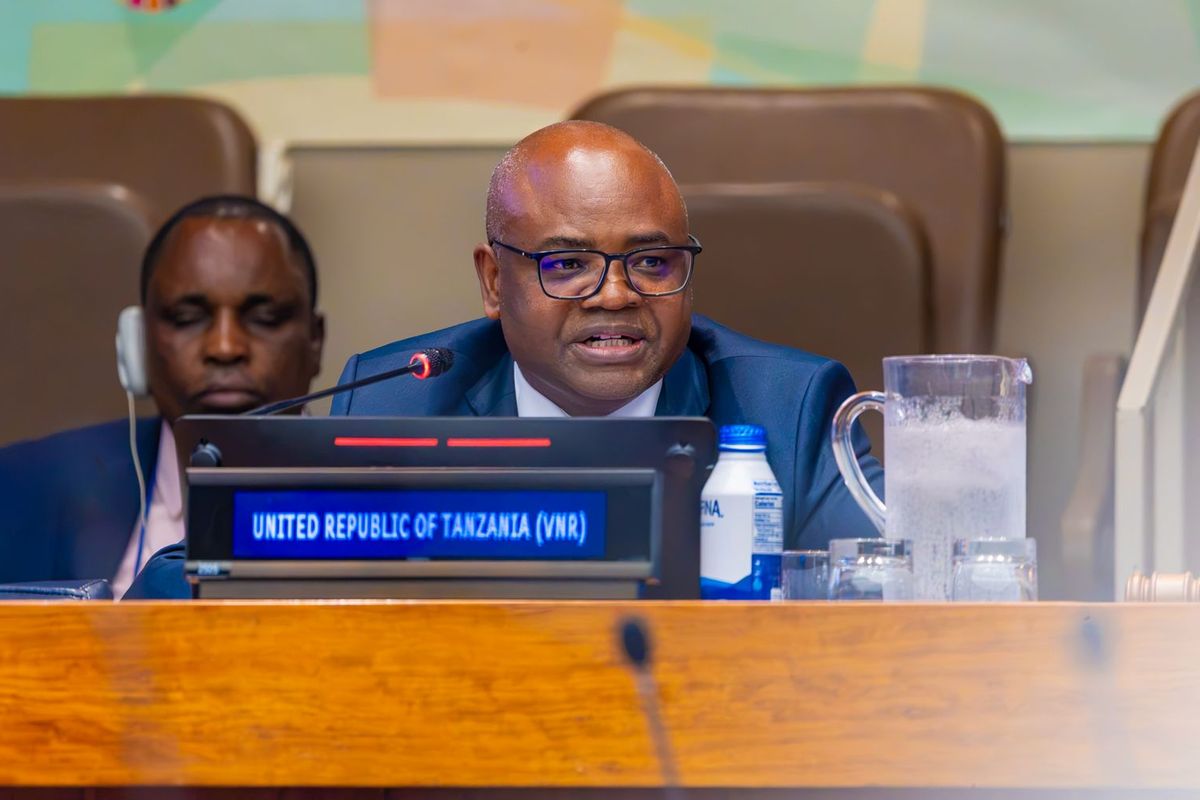
 Tanzania Launches Long-Term Strategic Plan for Sustainable Development by 2050
KillBait - News highlights delivered clearly and responsibly—no clickbait, no sensationalism
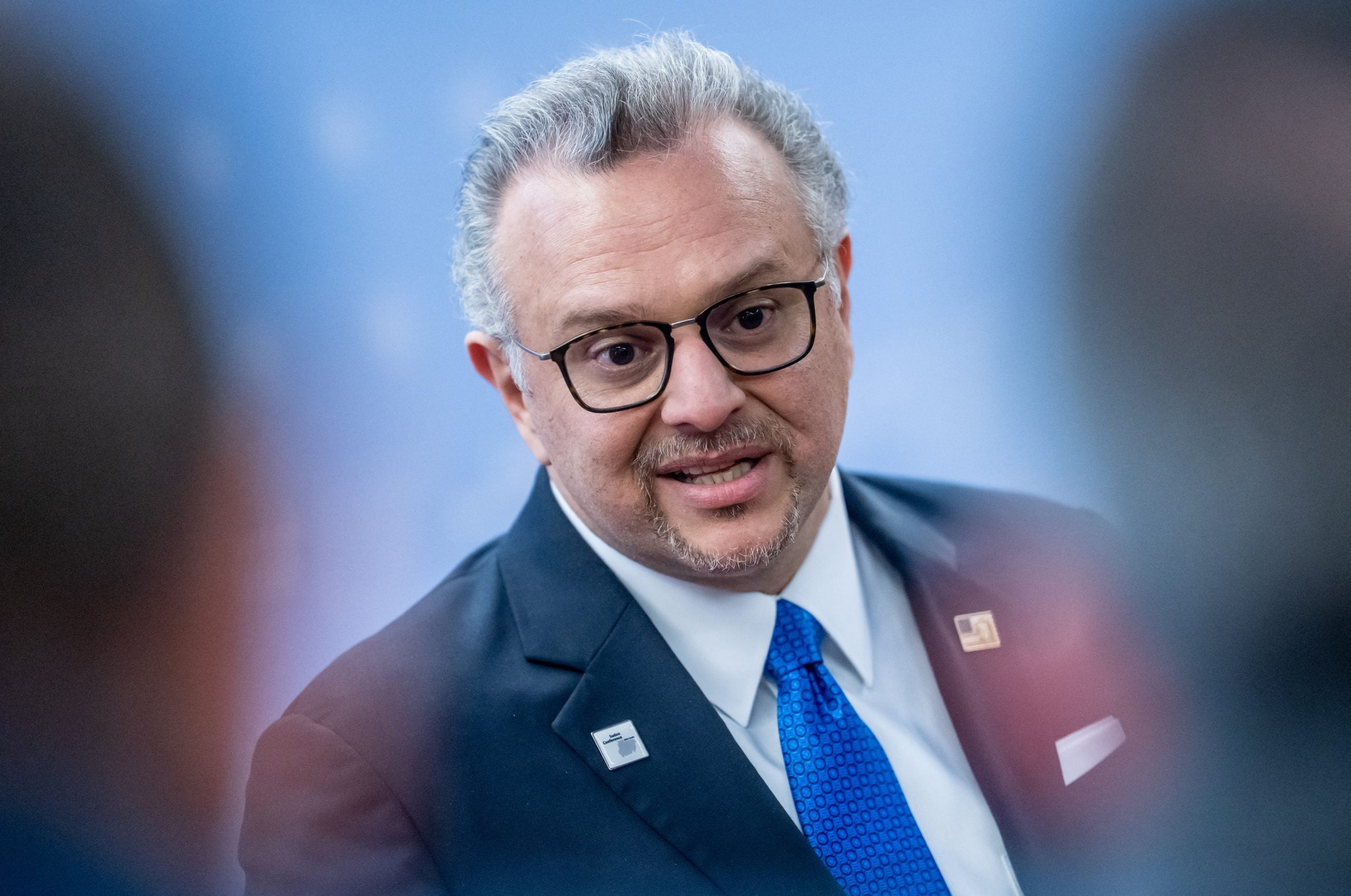
Photo: The Africa Report
2026-07-16 13:42 Politics 10


US Involvement in Libya's Political Chaos and Oil Interests
The article discusses the United States' strategic involvement in Libya's political landscape, focusing on efforts to stabilize the country through elite agreements rather than democratic elections.
Envoy Massad Boulos, part of the Trump administration, is pushing a power-sharing pact between rival Libyan factions, including Prime Minister Abdulhamid Dbeibah and military commander Khalifa Haftar.Analysts warn that bypassing elections to secure oil interests risks prolonging instability.Libya, still divided since the 2011 uprising against Muammar Gaddafi, faces challenges in achieving political unity.Boulos' plan, though details remain unclear, aims to end division and facilitate communication between factions.However, critics argue that prioritizing elite interests over popular consent could delay elections and deepen conflicts.The US seeks to capitalize on Libya's vast oil reserves, with energy companies eyeing increased production.Despite some progress, such as a unified budget and military cooperation, concerns remain about the sustainability of elite-driven solutions.The article highlights the delicate balance between political stability and economic interests in Libya's ongoing crisis.
Full reading at The Africa Report
2186
Original title: US gamble on Libyan elite risks locking in chaos for oil
The AI system has determined that this news is clickbait/sensationalist: : The original title uses metaphorical language ('barrels before ballots') and suggests a risky move, which is attention-grabbing and sensationalist. This has coincided with the opinion of the majority of users.
You may also be interested in...
Tanzania Launches Long-Term Strategic Plan for Sustainable Development by 2050
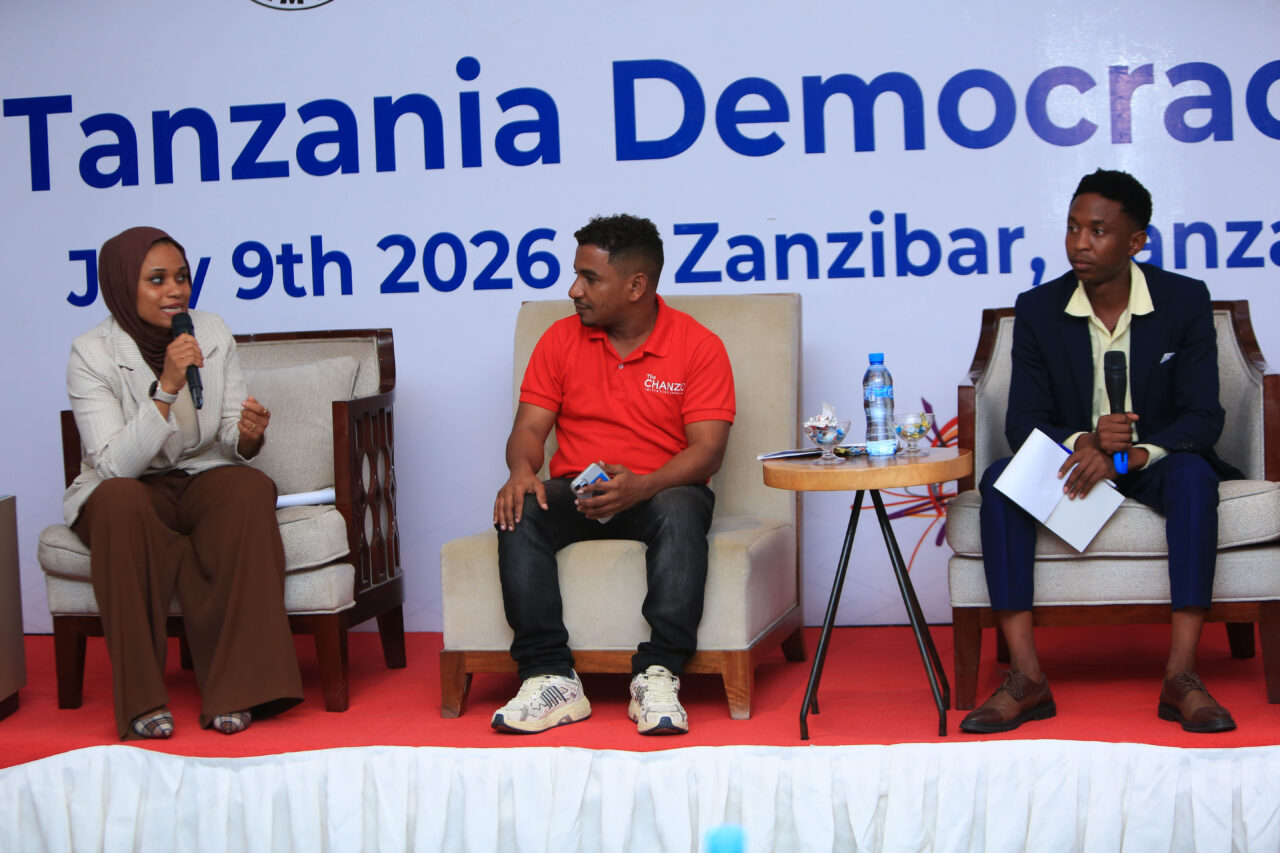 Systemic Exclusion of Youth from Formal Politics in Tanzania
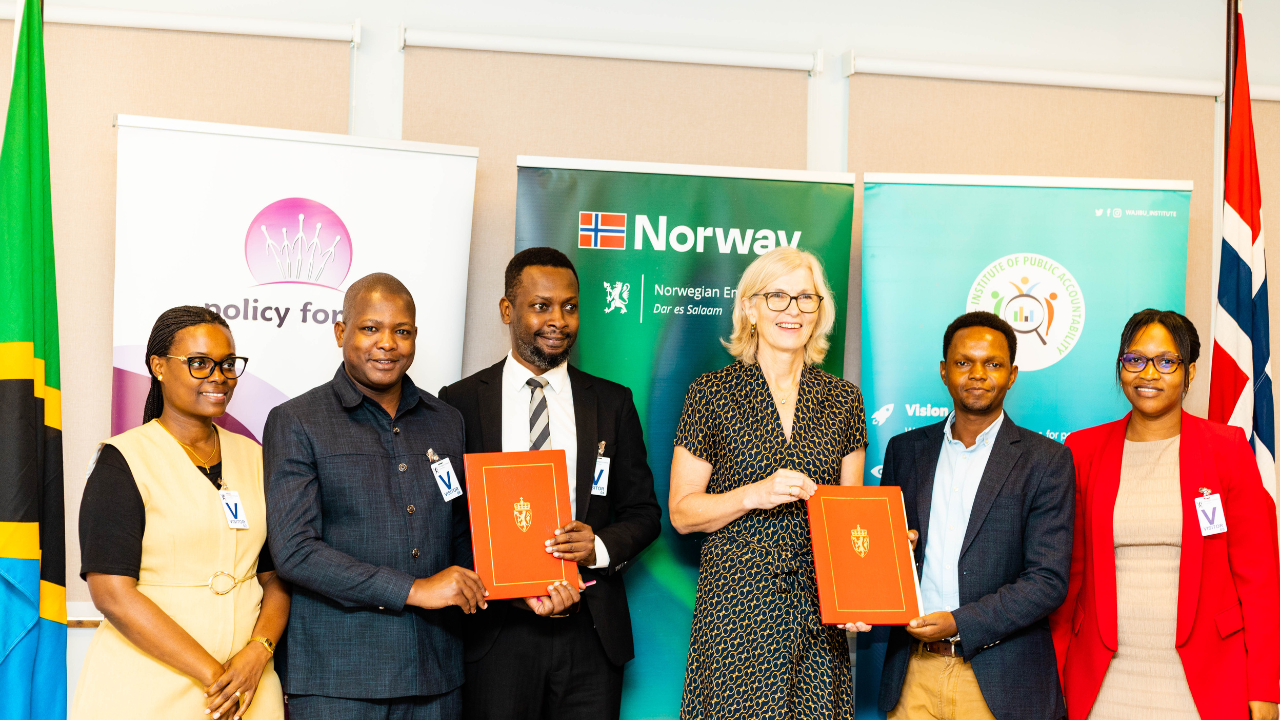 Norway Funds Digital Accountability Project to Enhance Public Transparency in Tanzania