
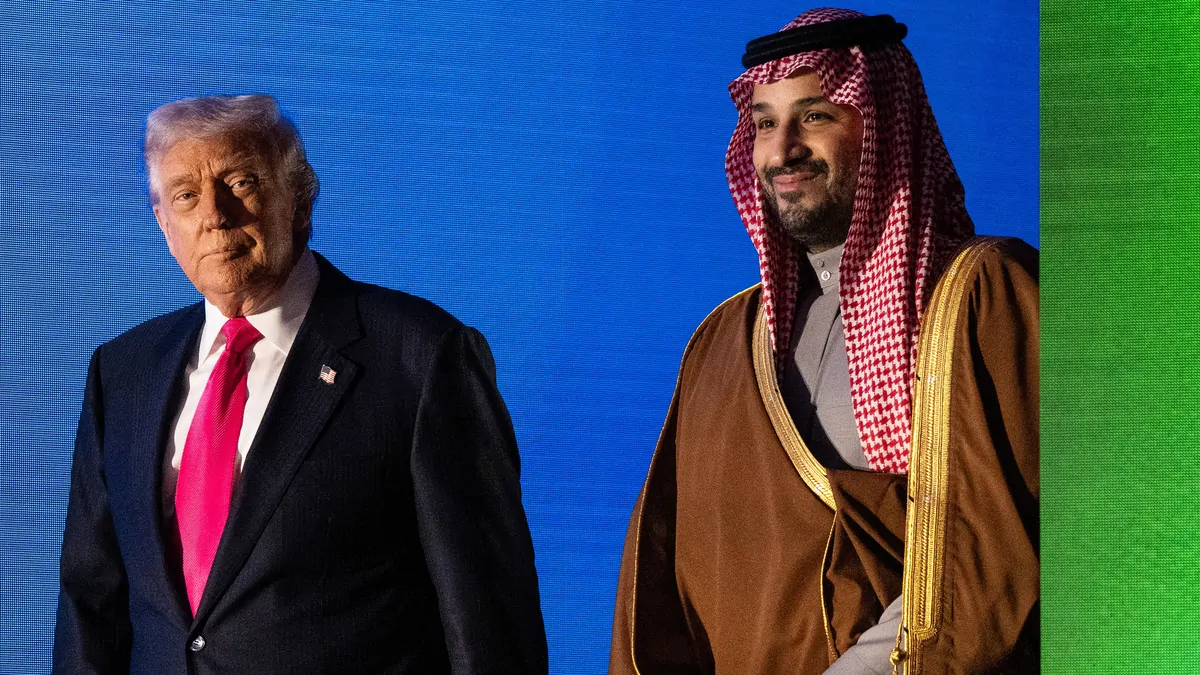
 US-Saudi nuclear deal raises concerns over global nuclear arms race
KillBait - News highlights delivered clearly and responsibly—no clickbait, no sensationalism
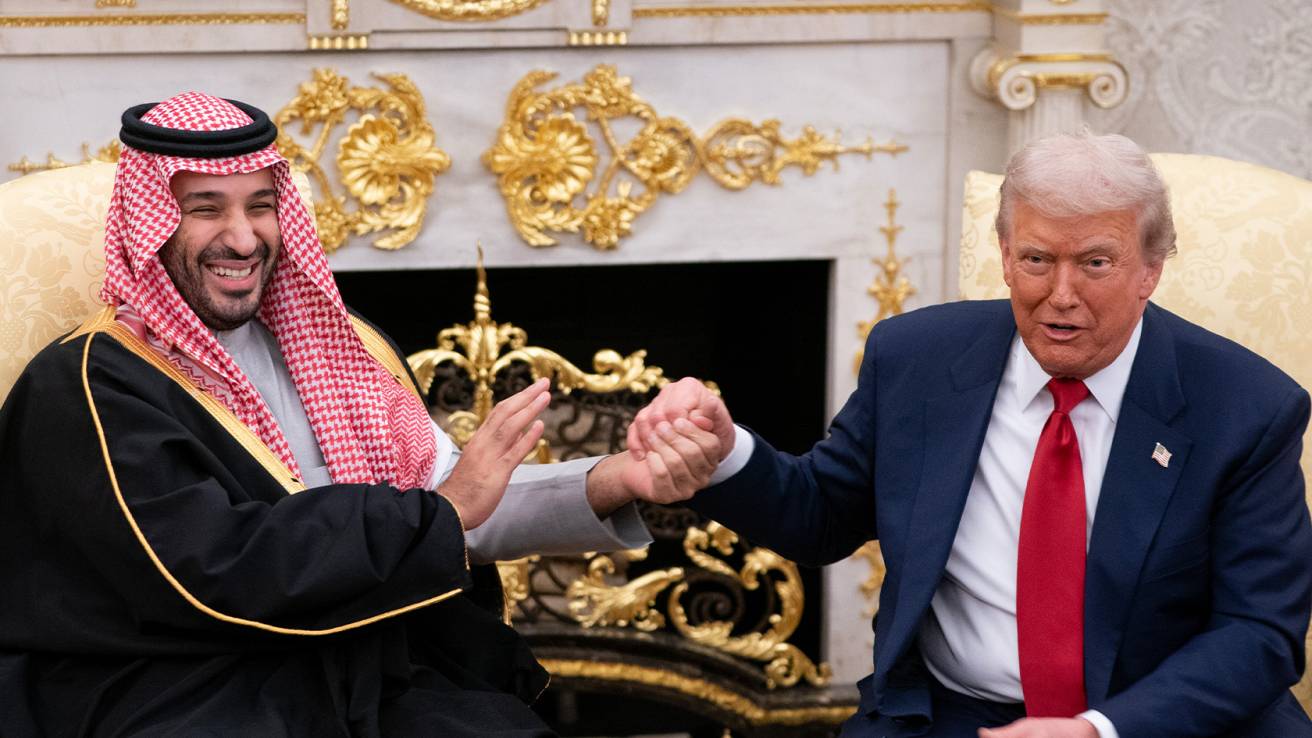
Photo: Crikey
2026-07-27 06:36 Geopolitics 10


US nuclear deal with Saudi Arabia raises concerns over Middle East arms race
The article discusses the recent nuclear cooperation agreement between the United States and Saudi Arabia, which allows the Gulf kingdom to develop civilian nuclear capabilities without strict International Atomic Energy Agency (IAEA) inspections.
This contrasts with the 2009 deal signed with the United Arab Emirates, where Saudi Arabia rejected pledges to not enrich uranium or reprocess spent fuel—key activities for a nuclear weapons program.
The US's decision to bypass IAEA oversight for Saudi Arabia while threatening to strike Iran's nuclear facilities raises concerns about a potential nuclear arms race in the Middle East.
Critics argue this double standard undermines global non-proliferation efforts, as Saudi Arabia's nuclear ambitions could destabilise regional security.
The article highlights the broader implications of US foreign policy, suggesting that the agreement may embolden other nations to pursue nuclear capabilities under the guise of civilian programs.This development challenges international norms and risks escalating tensions in a region already fraught with geopolitical tensions.The piece calls for greater transparency and accountability in nuclear agreements to prevent the proliferation of weapons technology.
2186
Original title: Washington’s double standard is arming a nuclear race in the Middle East
The AI system has determined that this news is clickbait/sensationalist: : The original title uses hyperbolic language like 'arming a nuclear race' which exaggerates the situation for attention, while the content focuses on policy analysis rather than sensational claims. This has coincided with the opinion of the majority of users.
You may also be interested in...
US-Saudi nuclear deal raises concerns over global nuclear arms race
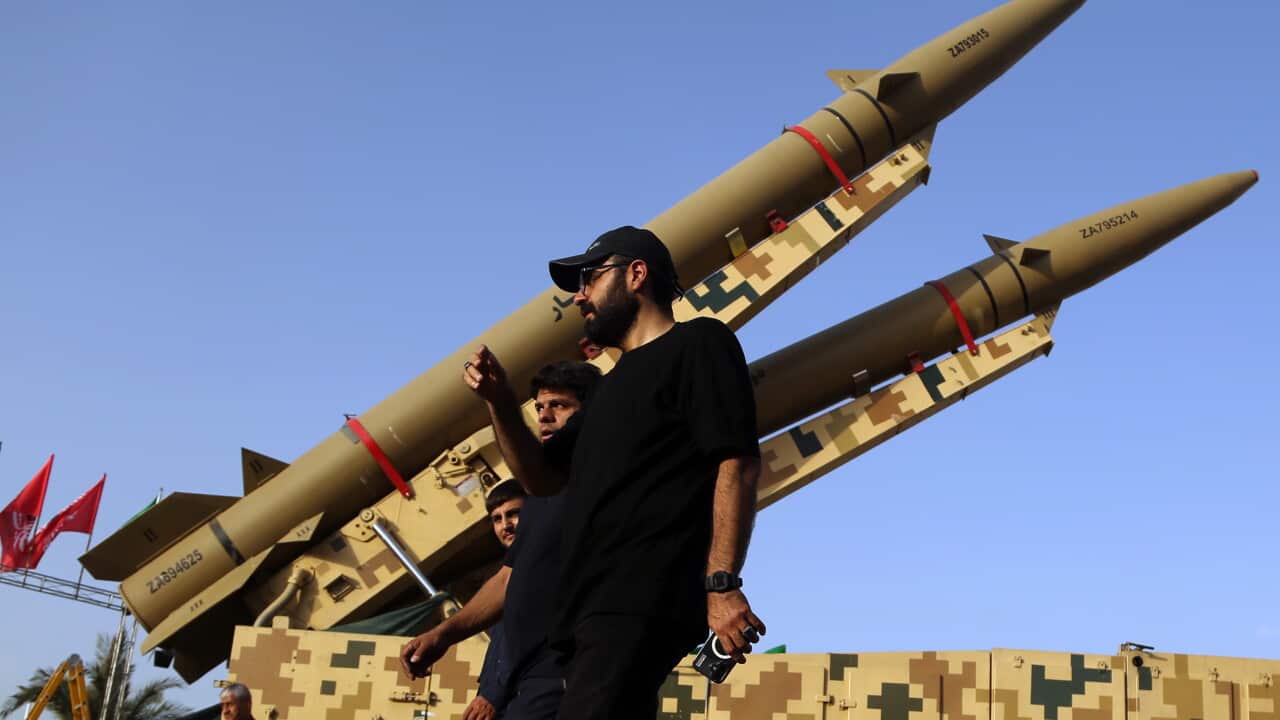 Fuel price hikes and Middle East conflict continue to strain Australian motorists
 US military strikes target Iran amid trade tensions and global developments