
 JD Vance questioned on U.S. assessment of Iran nuclear program during interview with Bill Maher
KillBait - News highlights delivered clearly and responsibly—no clickbait, no sensationalism
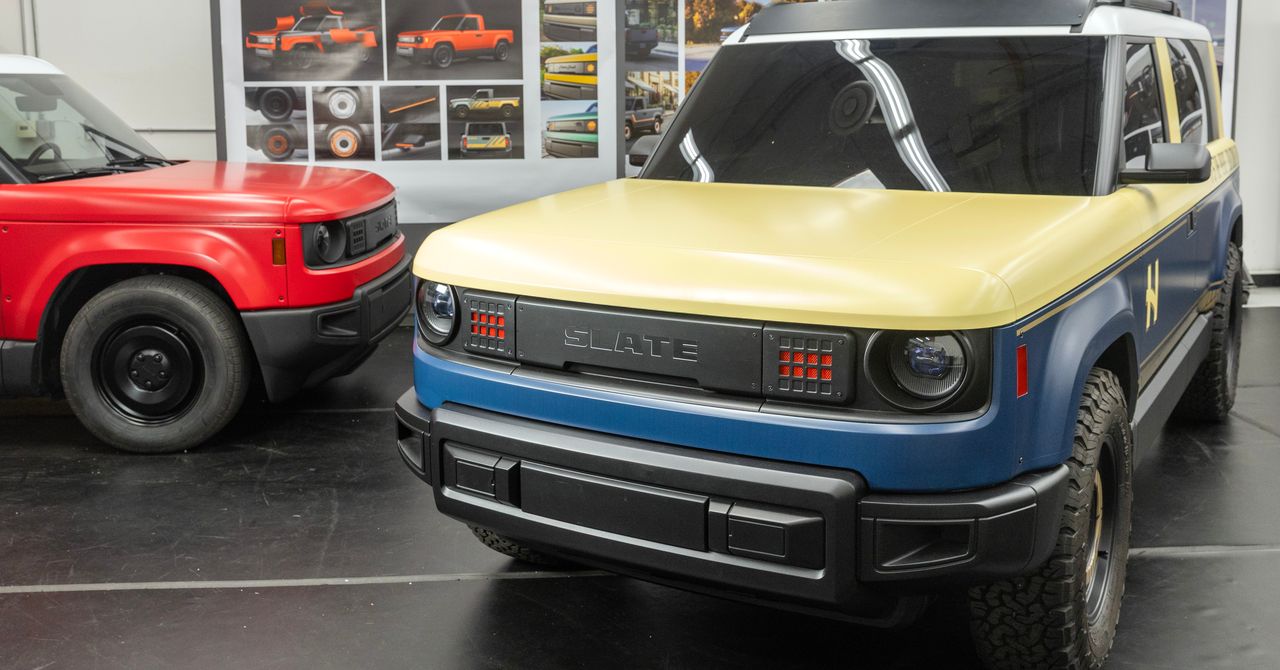
Photo: WIRED
2026-07-02 20:13 Geopolitics 10 


US policy shifts and Chinese battery dominance shape the rise of Slate’s low-cost electric truck
The article examines how changes in U.S.policy and global battery supply chains have influenced the development of Slate’s new low-cost electric vehicle.
Slate, a Michigan-based startup, recently unveiled a compact electric truck priced at just under $25,000, making it one of the most affordable EVs in the U.S.However, this low price is closely tied to its use of lithium iron phosphate (LFP) batteries, a chemistry originally developed in the U.S.but later optimized and mass-produced by Chinese manufacturers.
A key factor behind Slate’s battery strategy is the repeal of federal EV tax credits, which previously required automakers to source battery materials domestically or from allied countries.Those rules discouraged the use of Chinese-linked supply chains, including LFP batteries.
Once the tax credit requirements were eliminated following policy changes promoted by Republican lawmakers and tied to former President Donald Trump’s stance against EV mandates, automakers gained more flexibility in sourcing cheaper components.Chinese companies such as CATL and BYD now dominate LFP production, controlling nearly the entire global supply chain.This has made LFP batteries significantly more accessible and cost-effective for automakers seeking affordable EV options.Slate is reportedly planning to use batteries from Gotion, a U.S.-based subsidiary of a Chinese firm, manufactured in Illinois.
The article also highlights a broader industry shift: several automakers, including Ford, GM, Tesla, and Chevrolet, are increasingly adopting LFP batteries for entry-level EV models due to their lower cost and improved safety, despite reduced energy density compared to other chemistries.However, most U.S.LFP production is still limited and often redirected toward energy storage systems rather than vehicles.Ultimately, the story illustrates how policy decisions in the U.S.and China’s dominance in battery manufacturing are reshaping the economics of electric vehicles, enabling cheaper EVs but increasing reliance on Chinese-developed technology.
2186
Original title: How Trump Helped China Make America’s Cheapest EV
The AI system has determined that this news is clickbait/sensationalist: : The title is somewhat sensational because it attributes the affordability of an EV directly to a political figure in a simplified causal way, emphasizing controversy and personalizing complex policy and industrial dynamics, even though the article discusses broader regulatory and supply chain factors. This has coincided with the opinion of the majority of users.
You may also be interested in...
JD Vance questioned on U.S. assessment of Iran nuclear program during interview with Bill Maher
 Historical Photographs of the Prague Astronomical Clock (Late 19th–Early 20th Century)
 Todd Blanche Speech to National Guard Disrupted by Protesters in Washington, D.C.