
 Spain Advances to Final After Dominant Semi-Final Victory Over France
KillBait - News highlights delivered clearly and responsibly—no clickbait, no sensationalism
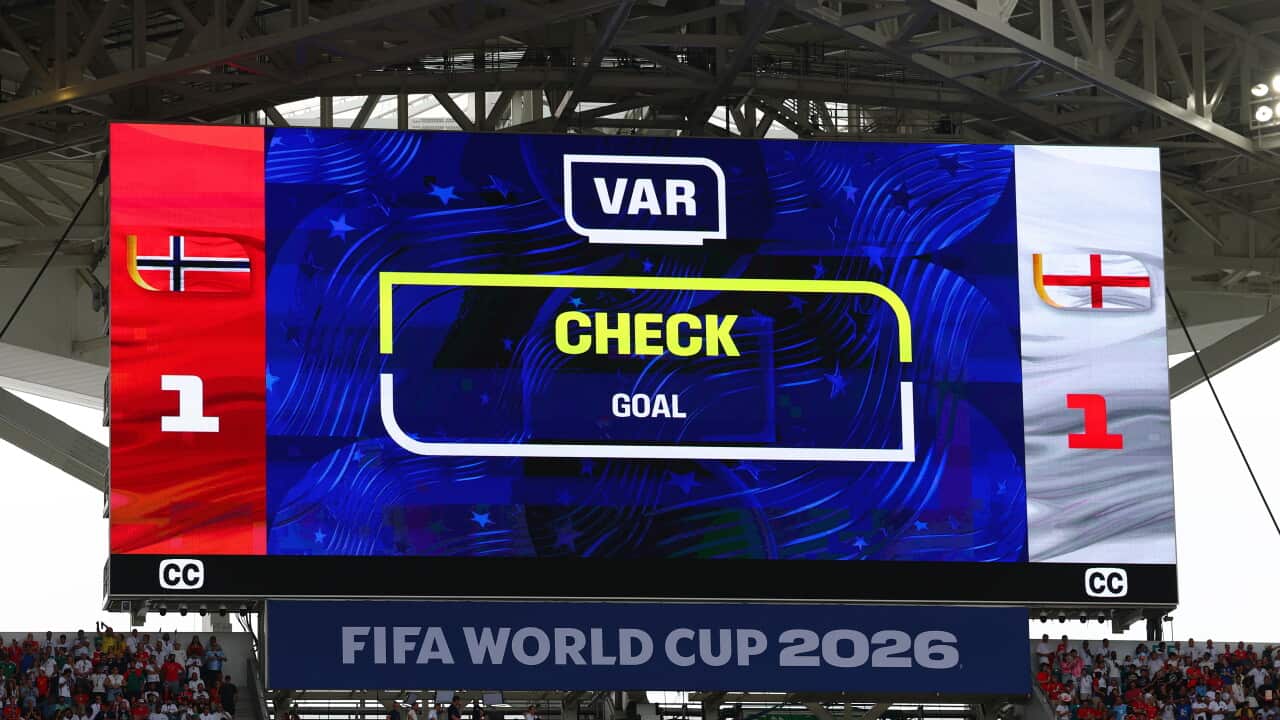
Photo: SBS Australia
2026-07-14 21:12 Sports 10


VAR's Role in Controversial Football Decisions
The FIFA World Cup 2026 has highlighted ongoing controversies surrounding Video Assistant Referee (VAR) technology, which was introduced to reduce errors in football decisions.
Despite its intent to provide factual clarity, recent matches have seen VAR decisions spark debate, with fans and experts questioning its consistency and fairness.
Controversial calls, such as disallowing a Norwegian goal due to an earlier foul and allowing an English goal despite apparent contact with an overhead cable, have drawn criticism.Argentina’s victory over Switzerland was also influenced by a contentious second yellow card to a player.
These incidents underscore the challenges of applying technology to subjective judgments in football, where decisions often hinge on human discretion rather than objective facts.
While VAR can review replays and provide evidence, the final decisions remain inconsistent, partly due to referees' varying interpretations of rules.Off-field issues, such as referees engaging in betting or match-fixing, further complicate the system's credibility.
The article emphasizes that while technology aims to enhance fairness, it risks removing the human element that makes football a blend of art and science, leading to both technical and ethical dilemmas.
2186
Original title: VAR was supposed to take the guesswork out of football. What went wrong?
The AI system has determined that this news is clickbait/sensationalist: : The original title uses sensationalist language like 'What went wrong?' and emphasizes exclusivity ('LIVE, FREE and EXCLUSIVE') to attract clicks, which is typical of clickbait headlines. This has coincided with the opinion of the majority of users.
You may also be interested in...
Spain Advances to Final After Dominant Semi-Final Victory Over France
 England Advances to World Cup Semi-Finals with Bellingham's Heroics
 Spain advances to World Cup semi-finals in thrilling clash against Belgium