
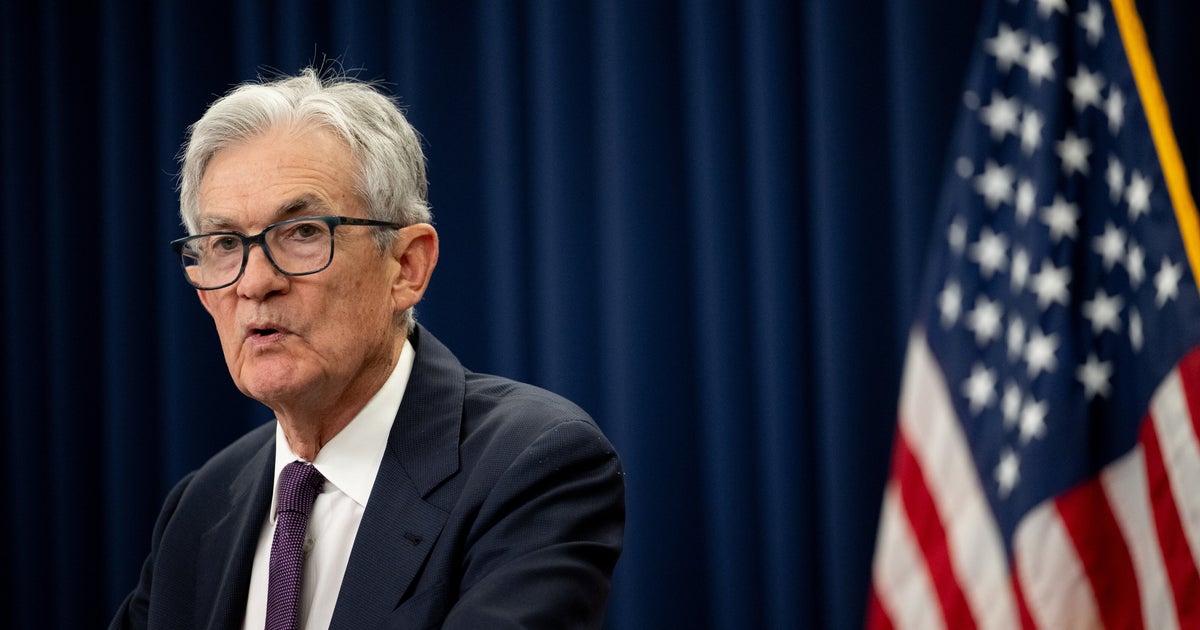
 Jerome Powell Warns Political Interference in the Federal Reserve Threatens Public Confidence
KillBait - News highlights delivered clearly and responsibly—no clickbait, no sensationalism

Photo: WSJ
2026-05-30 00:32 Economy 12 


Weak Consumer Conditions Could Shape the Fed’s Next Moves
The article argues that the U.S.economy is increasingly split between strong corporate performance and weaker household conditions.While businesses continue to post solid results, consumers and the broader economy are showing signs of strain, which could become important for Federal Reserve policy.WSJ’s Aaron Back explains that the new Fed chair, Kevin Warsh, may have to weigh this imbalance as he considers the central bank’s next steps.
If consumers are under pressure, it can signal slower underlying demand, softer growth, and potentially a different interest-rate path than one focused only on inflation.
The piece frames this as a policy challenge rather than a market panic: the Fed may need to balance resilient business activity against signs that households are being left behind.
It suggests that the strength of corporate America alone may not be enough to justify an aggressive stance, especially if consumer weakness starts to broaden across the economy.
The key takeaway is that consumer health remains a critical indicator for the Fed, and the current divergence between business strength and household stress could influence future rate decisions.
2224
Original title: Watch: Consumers Are Struggling. Here’s What That Means for the Fed
The AI system has determined that this news is not clickbait/sensationalist: : The title is attention-grabbing, but it accurately reflects the article’s focus on consumer weakness and its implications for Fed policy rather than exaggerating or misleading readers. This has coincided with the opinion of the majority of users.
You may also be interested in...
Jerome Powell Warns Political Interference in the Federal Reserve Threatens Public Confidence
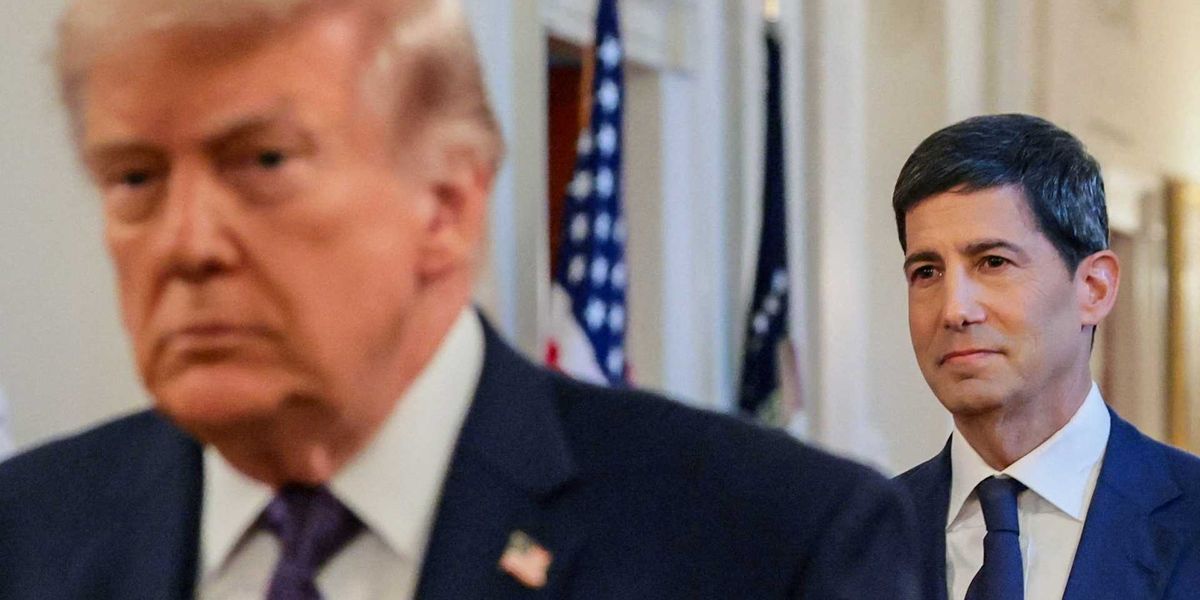 Debate Emerges Over Inflation Metrics as Trump Fed Nominee Kevin Warsh Faces Criticism
 Broadcom Earnings and Jobs Report: Key Economic Events for Investors This Week