
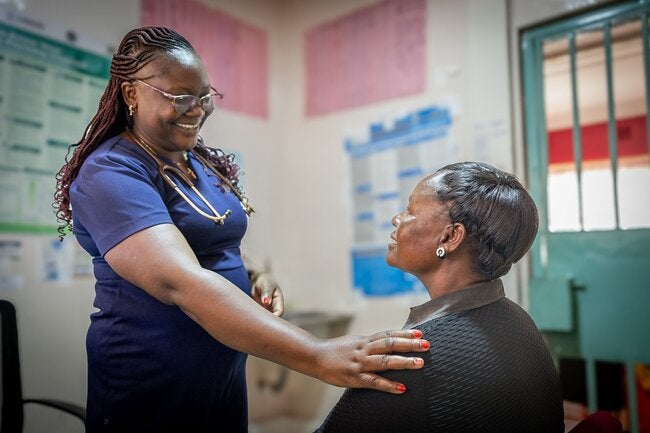
 WHO Advocates for People-Centered Cancer Control Amid Rising Global Cases
KillBait - News highlights delivered clearly and responsibly—no clickbait, no sensationalism
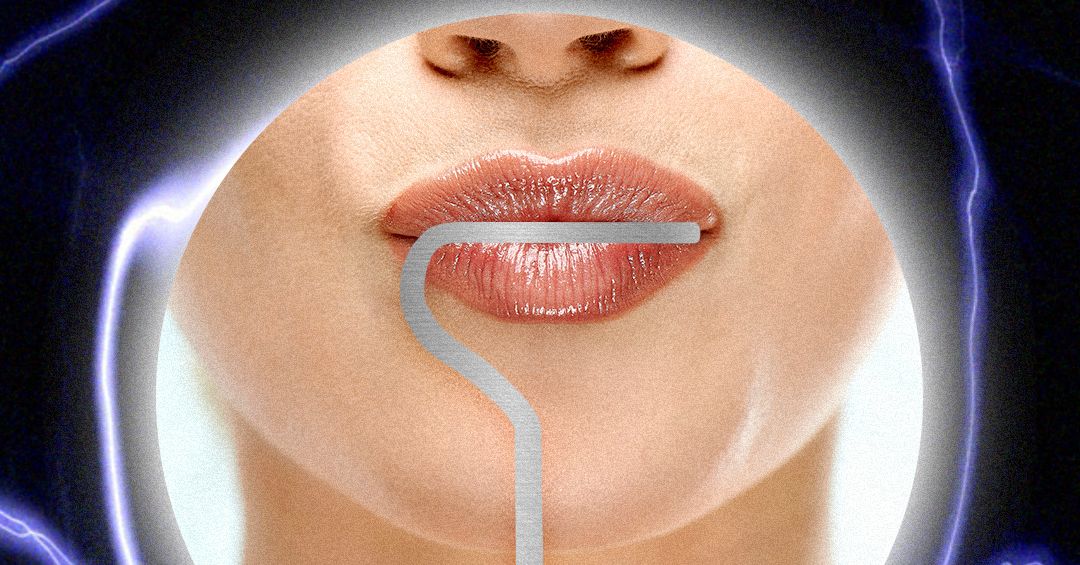
Photo: WIRED
2026-07-09 22:56 Health 10


Wellness Influencers Promote $50 Straws Claiming Protection Against Electromagnetic Radiation Without Scientific Evidence
The article discusses how wellness influencers are marketing $50 straws as protective against electromagnetic radiation (EMR) from electronic devices, despite a lack of scientific evidence supporting their efficacy.
It highlights the broader trend of pseudoscientific health products in the wellness industry, such as EMF shielding stickers and jewelry, which often rely on vague claims rather than proven benefits.The piece notes that while there is some validity to concerns about EMR exposure, these products have not been substantiated by rigorous research.
Regulatory bodies like the FTC have raised alarms about deceptive marketing practices, emphasizing that consumers should be cautious of unverified health claims.
The article also contextualizes this trend within the growing influence of social media influencers who capitalize on public anxiety about technology’s health impacts.Additionally, it touches on the commercialization of 'anti-EMF' solutions and the ethical implications of profiting from unproven remedies.Overall, the piece serves as a critique of the wellness industry’s tendency to prioritize marketing over scientific validation.
2186
Original title: Influencers Are Promoting $50 Straws They Claim Will Protect Against Electromagnetic Radiation
The AI system has determined that this news is clickbait/sensationalist: : The original title uses hyperbolic language ('Promoting $50 Straws They Claim Will Protect') to sensationalize a specific product, which is common in clickbait headlines. It omits critical context about the lack of scientific evidence, making it more attention-grabbing than informative. This has coincided with the opinion of the majority of users.
You may also be interested in...
WHO Advocates for People-Centered Cancer Control Amid Rising Global Cases
 Bijou Phillips Undergoes Successful Kidney Transplant After Health Crisis
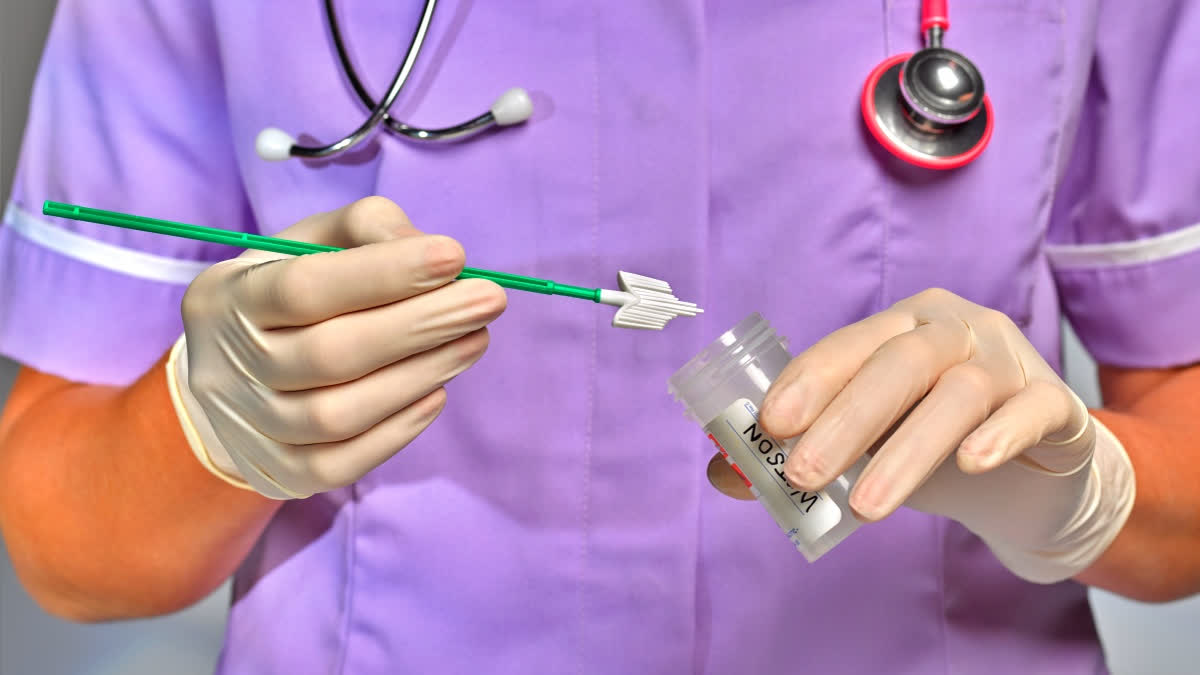 WHO Releases Global STI Prevalence Database for Improved Public Health Insights