
 UK government rebukes JD Vance over comments linking Henry Nowak's murder to immigration
KillBait - News highlights delivered clearly and responsibly—no clickbait, no sensationalism
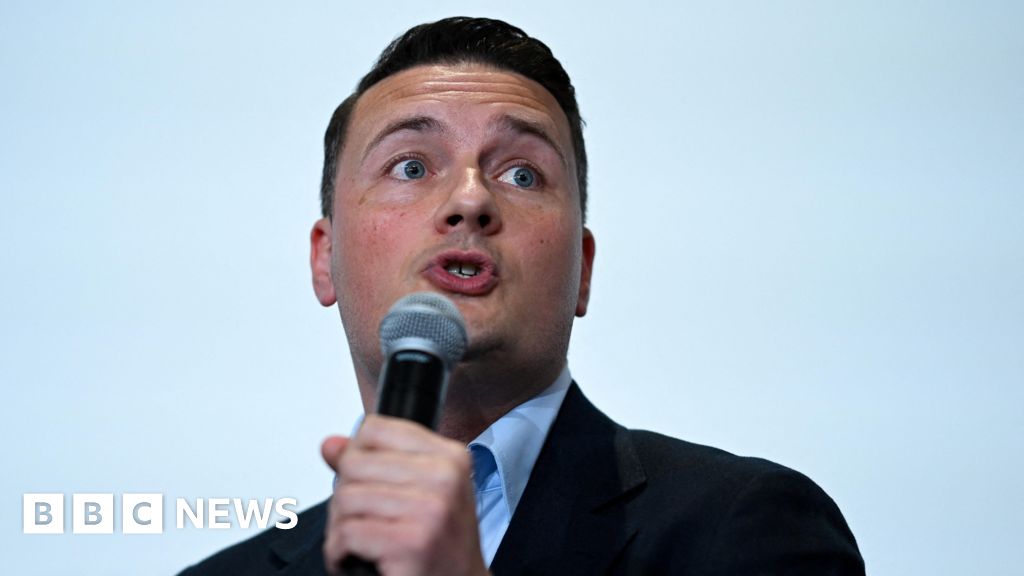
Photo: BBC
2026-05-31 06:51 Politics 13 


Wes Streeting proposes targeted National Insurance cuts and supports new North Sea oil and gas licences
Former UK Health Secretary Wes Streeting has proposed a targeted reduction in employers’ National Insurance contributions as a potential way to encourage businesses to hire more young people.
In comments made to the Sunday Times, he suggested that lowering employment costs could help address youth unemployment, particularly among those not in education, employment or training (NEETs).
Streeting argued that employers need stronger incentives to take on younger workers and described measures such as targeted tax reductions or recruitment incentives as possible solutions.His remarks come in the context of recent policy changes by the Labour government, which increased employers’ National Insurance from 13.8% to 15% and lowered the earnings threshold, aiming to raise significant revenue for public services, including the NHS.
Streeting also indicated support for new oil and gas drilling in the North Sea, suggesting that approving additional licences could generate increased tax revenues for the government.
While Labour’s manifesto had pledged not to issue new exploration licences due to environmental concerns and the climate crisis, Streeting implied that he would favour approving certain projects.He noted that although such developments may not directly reduce household energy bills, they would contribute to higher public revenues.
His comments appear to further distance him from Prime Minister Sir Keir Starmer’s current approach and align him with a more economically flexible stance on energy policy.The debate follows ongoing discussions about youth unemployment and the effectiveness of recent tax and wage policies.
Critics of Labour’s approach argue that increased costs may discourage hiring, while government advisers have said the evidence on youth employment impacts is mixed.
Streeting’s interventions add to broader tensions within Labour regarding economic policy direction, taxation, and the balance between fiscal revenue and job creation, as well as internal divisions over future energy strategy in the North Sea.
2243
Original title: Streeting suggests NI cut and North Sea drilling
The AI system has determined that this news is not clickbait/sensationalist: : The original title is factual and descriptive, summarising two policy-related statements by Wes Streeting without sensationalism or exaggeration, so it is not clickbait. This has coincided with the opinion of the majority of users.
You may also be interested in...
UK government rebukes JD Vance over comments linking Henry Nowak's murder to immigration
 Former First Minister Urges Joint Inquiry into Peter Murrell's Embezzlement
 Former Oldham council leader warns of rising division and political fragmentation in Greater Manchester