
 How the Medicare Surtax Affects Middle- and Upper-Income Households
KillBait - News highlights delivered clearly and responsibly—no clickbait, no sensationalism
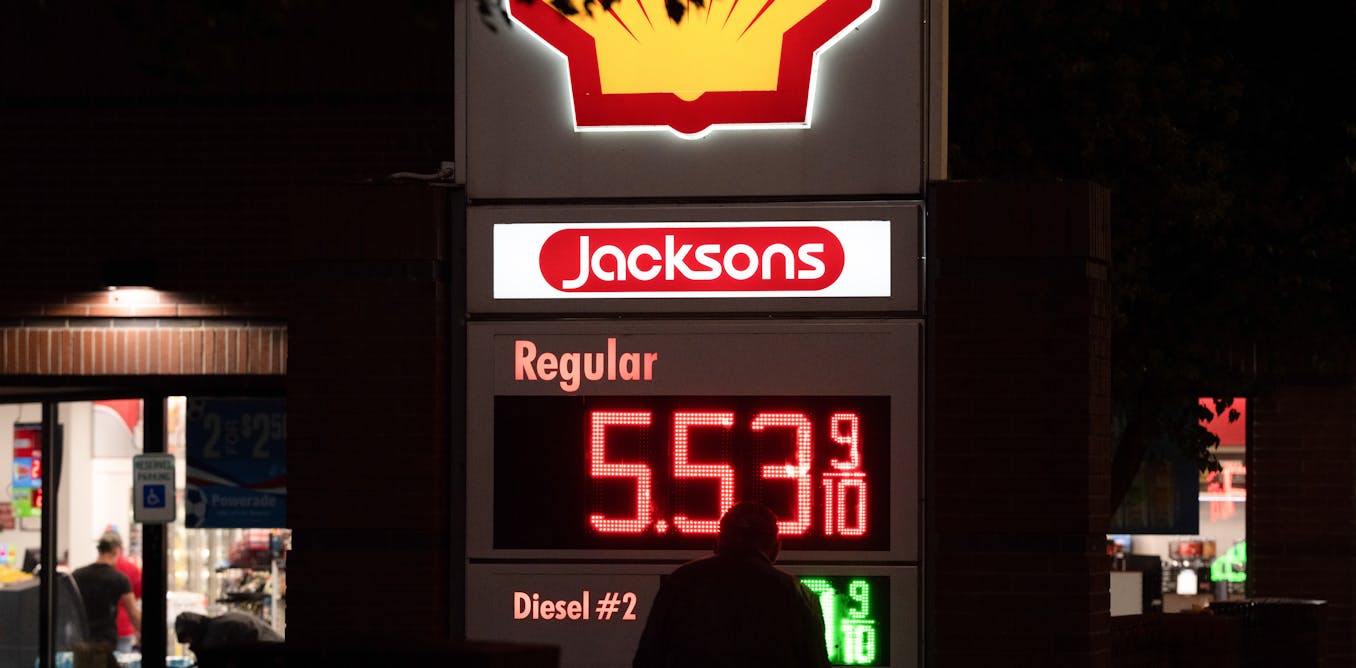
Photo: The Conversation
2026-05-12 19:58 Economy 12 


Why Suspending the Federal Gas Tax Would Only Slightly Reduce Gas Prices
With gasoline prices averaging over $4.50 per gallon in mid-May 2026, President Donald Trump proposed suspending the federal gas tax, which is 18.4 cents per gallon for gasoline and 24.3 cents for diesel.
While some states have temporarily suspended their own fuel taxes, research suggests that drivers typically receive only about 79% of the intended tax reduction.Overall, a gas tax suspension would likely lower national gas prices by only around 4%, and even less in high-cost states like California.
Gasoline prices are influenced primarily by crude oil, which accounts for roughly half of the pump price, with refining, distribution, marketing, and taxes making up the rest.Supply shocks, such as disruptions from the Iran war in 2026, can push prices higher because drivers cannot quickly reduce consumption.California faces additional price pressures from stricter environmental regulations, geographical isolation, and limited refinery competition.
Distribution and marketing costs, including station labor, rent, and credit card fees, also contribute to prices, while gas stations typically make only a few cents per gallon on fuel itself.Gas tax holidays reduce funding for infrastructure and fail to account for societal costs like pollution and congestion.Temporary waivers of regulations like the Jones Act can save pennies per gallon but are minor compared to the global oil market impact.Ultimately, the most effective long-term solution to volatile gas prices is more fuel-efficient or alternative-fuel vehicles.
Full reading at The Conversation
2224
Original title: Suspending federal gas tax wouldn't save drivers as much as they might hope – here's what goes into the price of a gallon of gas
The AI system has determined that this news is clickbait/sensationalist: : The original title exaggerates the potential impact of suspending the federal gas tax and implies a dramatic effect, while the actual reduction would be modest. This has coincided with the opinion of the majority of users.
You may also be interested in...
How the Medicare Surtax Affects Middle- and Upper-Income Households
 Federal Reserve Chair Kevin Warsh Plans to Reduce Balance Sheet, Implications for Investors
 U.S. Farmers Face Challenges Amid Rising Costs and Supply Disruptions