
 First Nations Leaders Call for Inquiry and Resignations Amid Ontario Wildfire Response Criticisms
KillBait - News highlights delivered clearly and responsibly—no clickbait, no sensationalism

Photo: CBC
2026-07-23 17:16 Environment 10


Wildfire Evacuees from Ontario First Nations Struggle with Mental Health and Resource Challenges
Over 2,800 wildfire evacuees from First Nations communities in Ontario's far north are facing significant challenges, including mental health struggles, limited access to essential resources, and systemic racism in host communities.
Many evacuees, such as those from Neskantaga First Nation, have been displaced for weeks, with families, elders, and individuals with health conditions navigating unfamiliar urban environments.The crisis has exposed vulnerabilities in supply chains, with disruptions in food and medical supplies causing severe hardships.
For example, evacuees from Neskantaga faced shortages of baby formula and had to rely on emergency deliveries, which were delayed due to smoke-filled skies and road closures.Mental health concerns are escalating, as evacuees grapple with isolation, language barriers, and the stress of uncertainty about their homes.
Leaders from affected First Nations are calling for a public inquiry into Ontario's wildfire management, citing failures in providing basic necessities like water, fuel, and food.
Additionally, the absence of alcohol and drugs in many First Nations communities creates added stress when staying in host areas where these substances are more readily available.
Community health advocates emphasize the need for mental health support and collaboration between host communities and Indigenous leaders to address the complex challenges faced by evacuees.
2186
Original title: Wildfire evacuees from First Nations in Ontario's far north face uncertainty, mental health toll
The AI system has determined that this news is clickbait/sensationalist: : The original title uses dramatic language like 'mental health toll' and 'uncertainty' to emphasize emotional impact, which is a common clickbait tactic. The phrase 'face uncertainty' also creates tension to attract readers. This has coincided with the opinion of the majority of users.
You may also be interested in...
First Nations Leaders Call for Inquiry and Resignations Amid Ontario Wildfire Response Criticisms
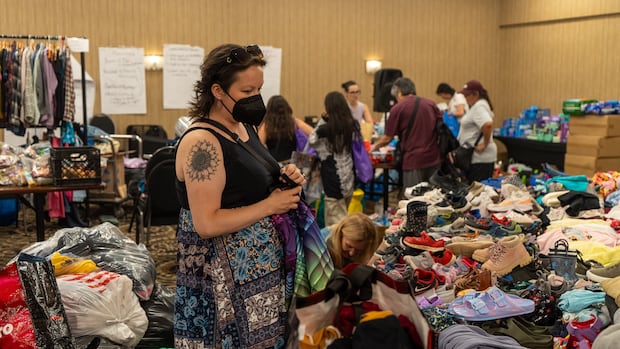 Community solidarity grows as Thunder Bay supports wildfire evacuees through donations and aid efforts
 Managing Climate Anxiety: Effective Strategies for Coping