
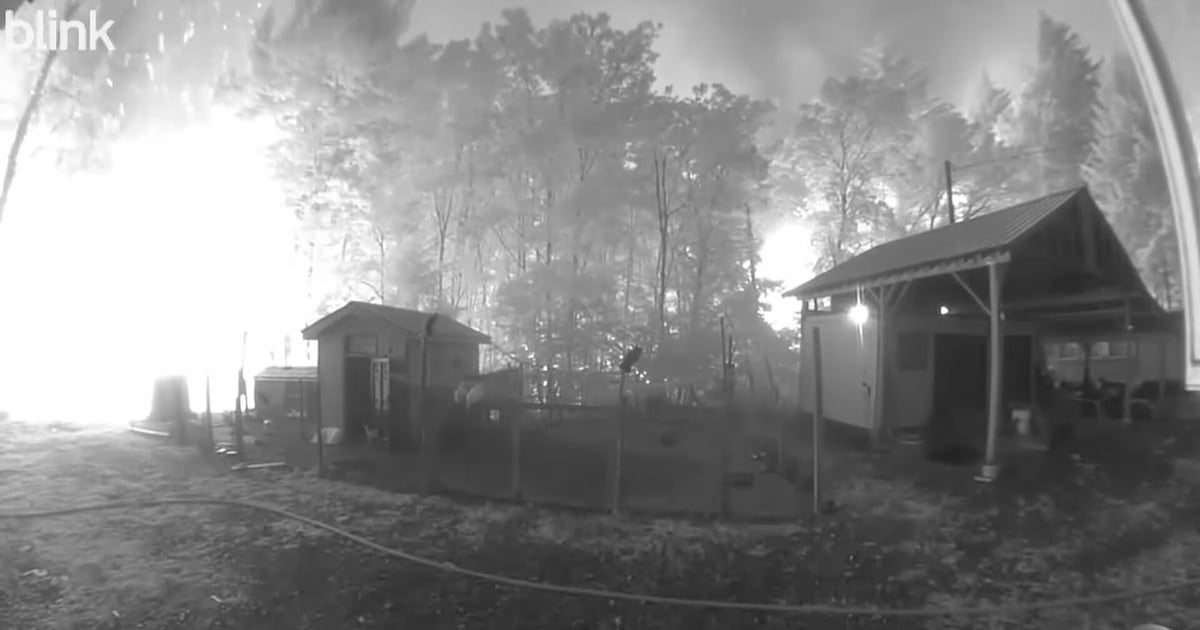
 Wildfire approaches B.C. farmhouse as doorbell video captures real-time danger
KillBait - News highlights delivered clearly and responsibly—no clickbait, no sensationalism
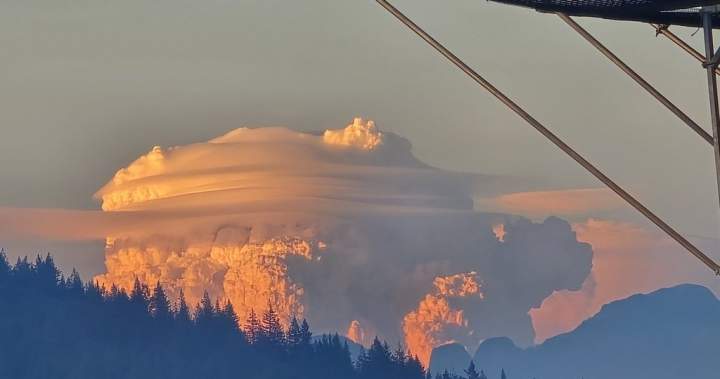
Photo: Global News
2026-07-23 19:52 Environment 10


Wildfire-Generated Pyrocumulus Clouds Observed Over British Columbia
A wildfire near Anderson Creek in British Columbia has produced massive pyrocumulus clouds, visible as cauliflower-like formations hundreds of kilometers away.The Anderson Creek fire was discovered by aircraft responding to another nearby blaze on July 23, 2026, and quickly intensified due to strong winds.
Meteorologist Matt Loney from Environment Canada explained that these clouds form when intense heat from fires creates convection currents, causing moisture to condense rapidly.Photos shared online show the towering clouds hovering over smoke plumes, with some images captured as far away as Coquitlam, 220 kilometers distant.
The phenomenon indicates extreme atmospheric instability, as the clouds grew vertically rather than horizontally, making them visible from multiple directions.Loney compared the process to opening a freezer door on a hot day, where cold air sinks while heat rises.These clouds contain particulates like burning embers and ash, which become visible before dispersing horizontally when temperatures stabilize.The event highlights both the intensity of the fire and the complex interactions between wildfires and weather patterns.Officials noted that 180 fires continue to burn in northern Ontario, emphasizing ongoing environmental challenges.
2186
Original title: Pyrocumulus clouds from wildfire in Fraser Canyon loom high over B.C.
The AI system has determined that this news is clickbait/sensationalist: : The original title uses dramatic language like 'loom high over B.C.' to emphasize the visual impact, which may exaggerate the significance compared to the technical explanation provided in the article. This has coincided with the opinion of the majority of users.
You may also be interested in...
Wildfire approaches B.C. farmhouse as doorbell video captures real-time danger
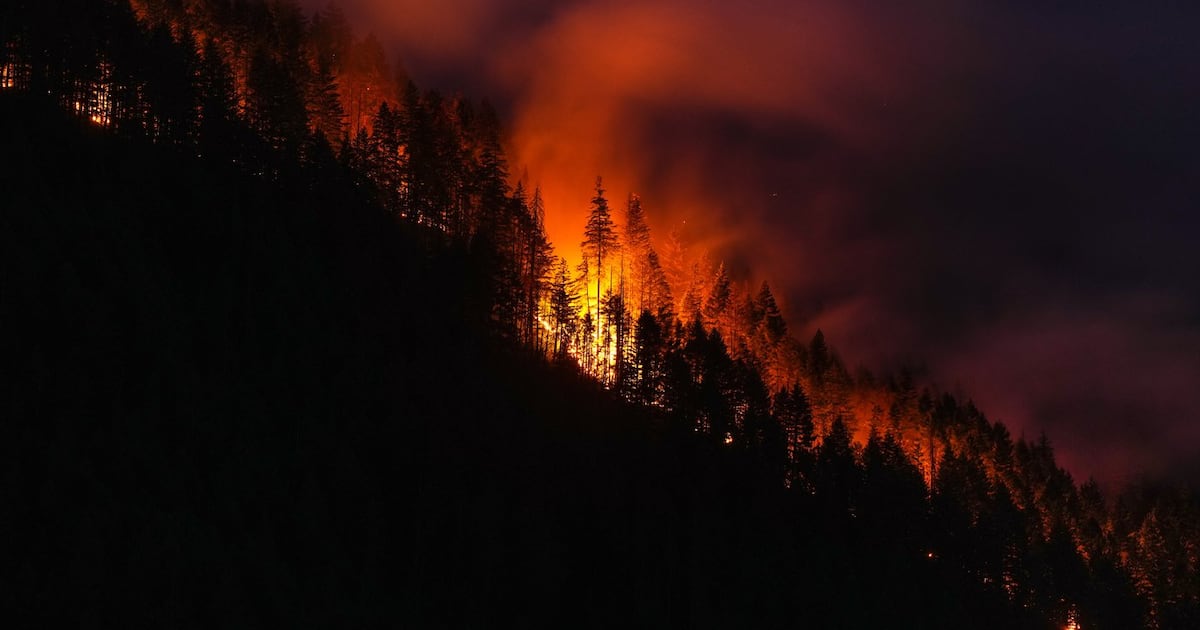 Wildfire in British Columbia Sparks Evacuations and Evacuation Alerts
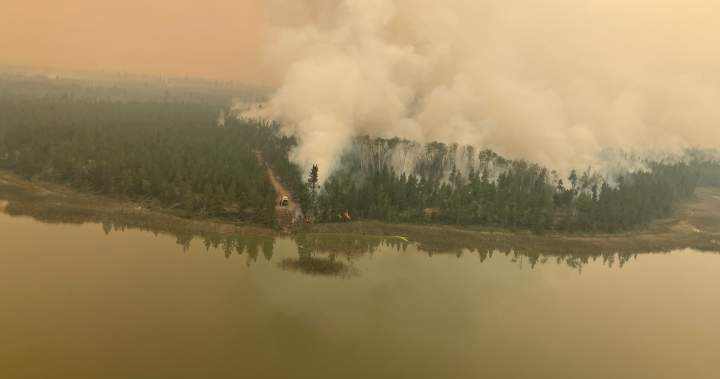 Evacuation Alert Issued for Clinton Village Amid Fiftynine Creek Wildfire