
 Health workers in Congo's Ebola-affected region protest unpaid wages amid outbreak surge
KillBait - News highlights delivered clearly and responsibly—no clickbait, no sensationalism
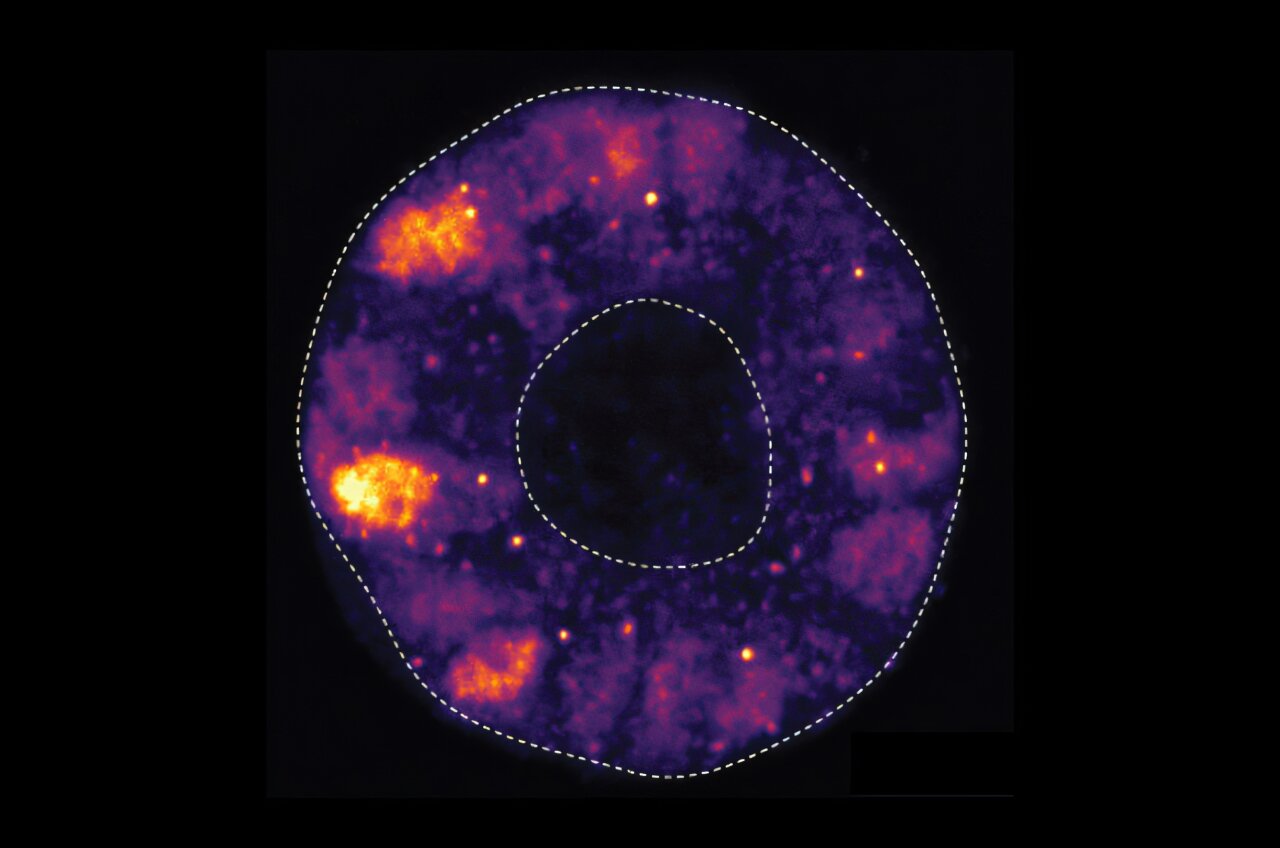
Photo: medicalxpress.com
2026-07-14 09:10 Health 14


YAP1 Variability Drives Stable Tissue Patterns During Regeneration
Researchers from the Friedrich Miescher Institute for Biomedical Research and collaborators discovered that regenerating intestinal tissue transforms minor initial differences between cells into stable patterns.
This process, observed using intestinal organoids and mouse models, involves YAP1 protein activity that varies among cells before progenitor cells emerge to rebuild gut architecture.
Subtle differences in cell packing and shape lead to significant YAP1 variability, which guides cells toward specific roles like secretory functions through FOXA1 and Delta-Notch signaling.This creates a 'memory' of mechanical signals, ensuring stable tissue organization even after YAP1 activity declines.
The study highlights that regeneration requires precise timing of YAP1 variability—too little disrupts patterning, while prolonged activity prevents normal organization.
These findings suggest broader implications for regenerative medicine, offering insights into how tissues self-organize and could inform lab-based tissue repair strategies.
Full reading at medicalxpress.com
2257
Original title: Regenerating tissues may rebuild order by amplifying tiny cell differences
The AI system has determined that this news is clickbait/sensationalist: : The original title uses hyperbolic language like 'amplifying tiny cell differences' to suggest groundbreaking discoveries, which may overstate the findings. The phrase 'rebuild order' implies dramatic transformation rather than incremental biological processes. This has coincided with the opinion of the majority of users.
You may also be interested in...
Health workers in Congo's Ebola-affected region protest unpaid wages amid outbreak surge
 The Science Behind Winter Fatigue and Daylight Saving Time
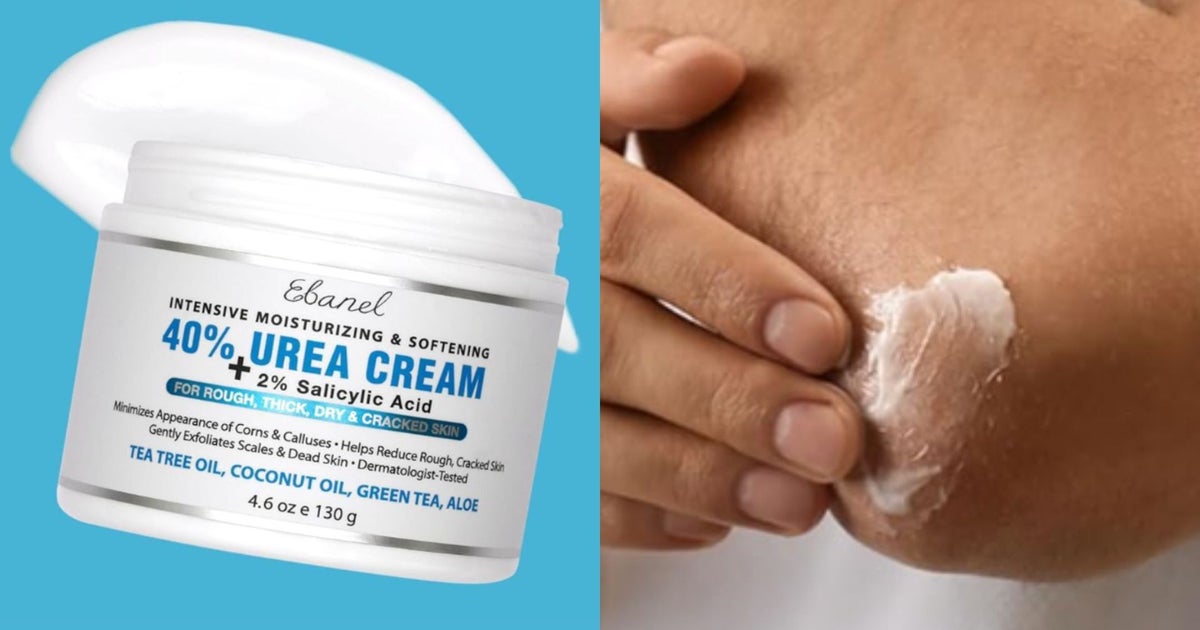 Ebanel Urea Cream: A High-Concentration Solution for Treating Rough and Cracked Skin