
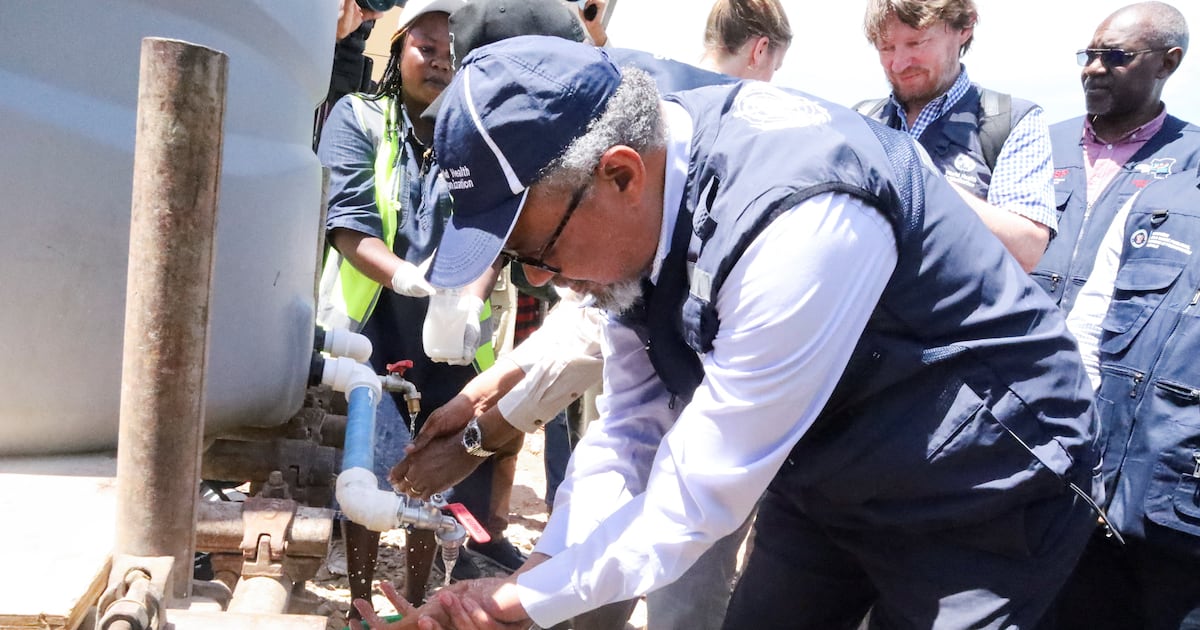
 WHO urges safe burials and faster response amid escalating Ebola outbreak in DRC
KillBait - News highlights delivered clearly and responsibly—no clickbait, no sensationalism
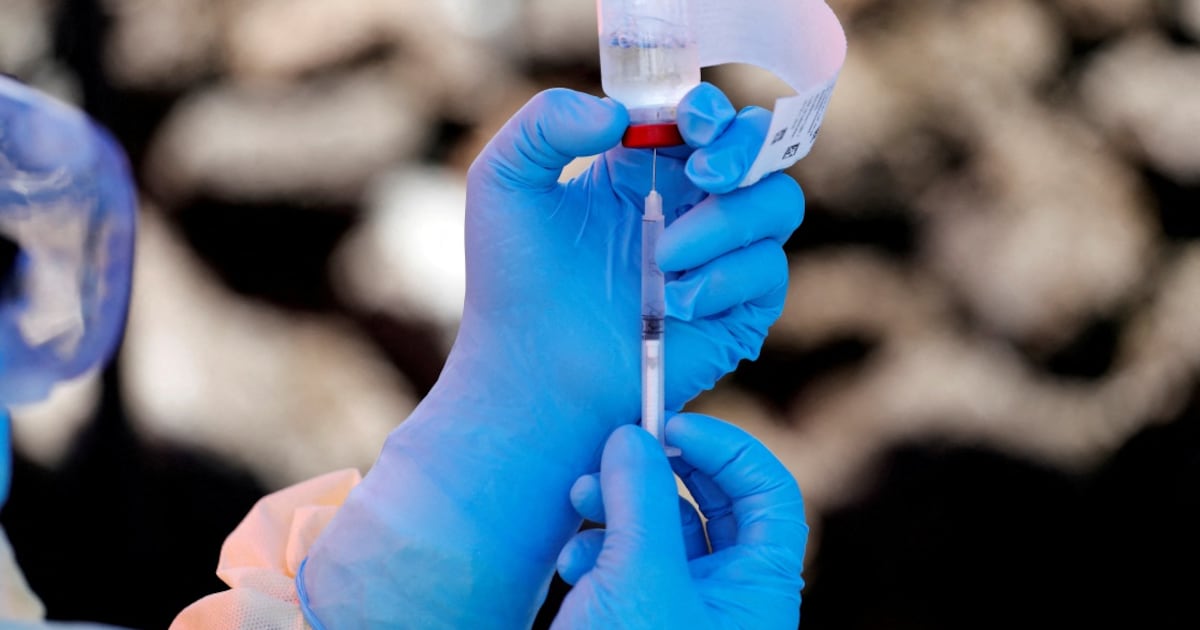
Photo: Sowetan
2026-05-30 13:50 Health 14 


Zambia increases Ebola screening and surveillance after suspected cases test negative amid DRC outbreak
Zambia’s health authorities have confirmed that two suspected Ebola cases that were recently investigated have tested negative, easing immediate concerns about local transmission.
Despite this, the country has intensified screening and surveillance measures at its borders and within communities as a precautionary response to a growing outbreak in neighbouring Democratic Republic of the Congo (DRC).
The DRC has reported a significant rise in suspected cases linked to the rare Bundibugyo strain of Ebola, with more than a thousand suspected infections recorded.Uganda has also reported cases, raising regional concern about potential cross-border spread.The Zambian health ministry stated that the risk of Ebola entering the country remains high due to its proximity to affected regions.
In response, authorities have introduced enhanced screening tools and protocols at all entry points, including airports, border posts and other points of entry.These measures are also being applied to individuals already inside the country who present Ebola-like symptoms.
The Bundibugyo strain of Ebola, first identified nearly two decades ago in Uganda, is particularly concerning to health experts due to its ability to spread undetected in densely populated areas.This makes contact tracing and containment more difficult.
According to the World Health Organisation, Ebola typically begins with flu-like symptoms such as fever, fatigue, muscle pain and sore throat, before progressing to severe gastrointestinal symptoms and, in some cases, internal and external bleeding, organ failure and death.
Zambia’s response reflects broader regional efforts to prevent further spread of the virus, with heightened vigilance across southern and central Africa as health systems monitor the evolving situation in the DRC and surrounding countries.
2261
Original title: Zambia says two suspected Ebola cases test negative and steps up screening
The AI system has determined that this news is not clickbait/sensationalist: : The original title is factual and descriptive, clearly summarising the situation without exaggerated language or sensational framing. It accurately reflects both the negative test results and the increased screening measures. This has coincided with the opinion of the majority of users.
You may also be interested in...
WHO urges safe burials and faster response amid escalating Ebola outbreak in DRC
 WHO data highlights South Africa’s high suicide rate amid growing mental health challenges
 Allegations of substandard care raised following the death of stroke patient at Tygerberg Hospice