
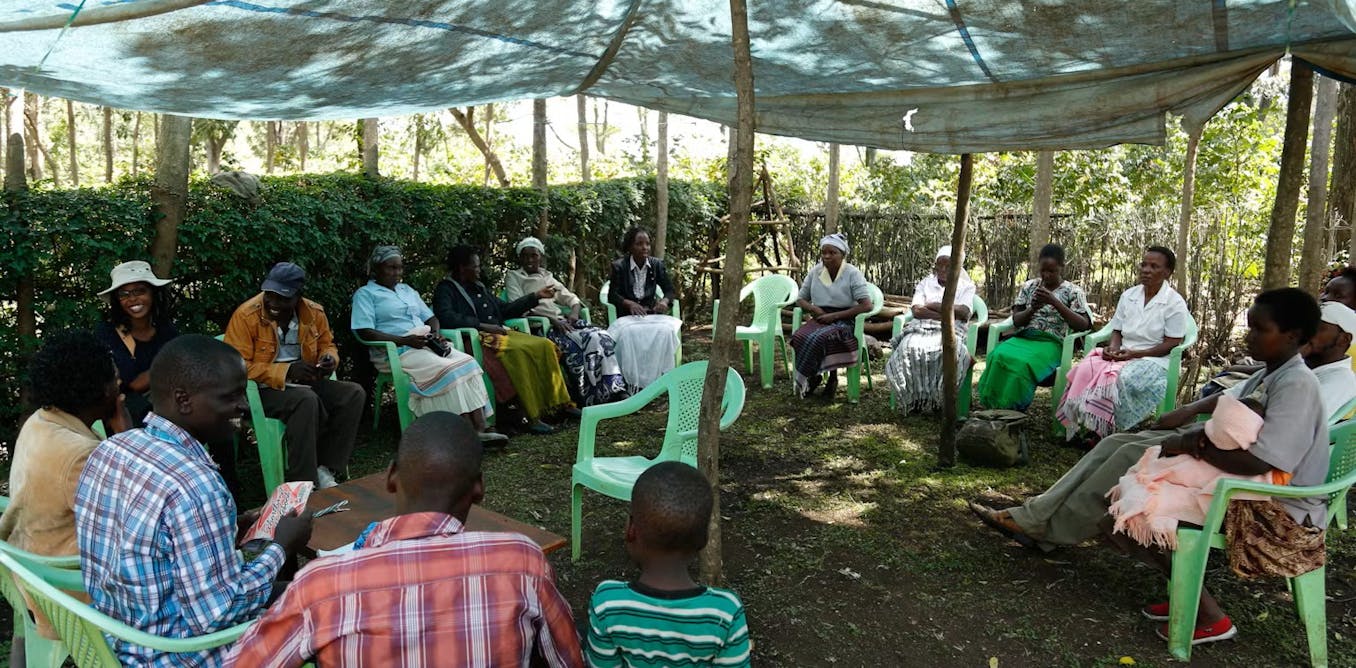
 Africa's Climate Resilience Lessons from the Super El Niño Crisis
KillBait - News highlights delivered clearly and responsibly—no clickbait, no sensationalism
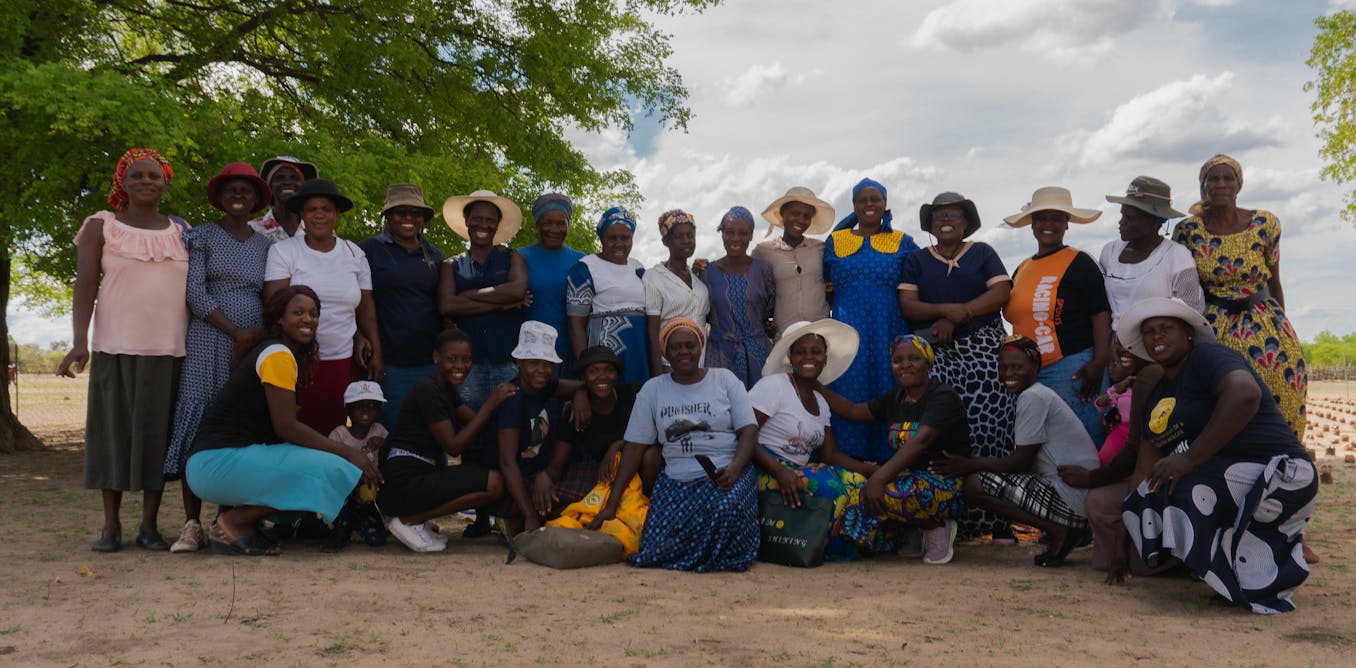
Photo: The Conversation
2026-07-17 22:15 Climate change 10


Zimbabwean women rebuild lives after climate disaster but face ongoing challenges
The article discusses how women in Tsholotsho, Zimbabwe, were displaced by Cyclone Dineo in 2017, losing homes, farmland, and livelihoods.Despite these losses, women actively worked to support their families through new coping strategies like small vegetable gardens and community savings.However, they faced systemic challenges such as lack of land access, water shortages, and exclusion from decision-making processes.Traditional leaders made relocation decisions without consulting women, leaving them powerless.The study highlights how climate disasters exacerbate gender inequalities, as women already have limited economic opportunities.
The women's efforts to rebuild their lives show resilience, but they still need long-term support and inclusive policies to address their specific needs.The research emphasizes the importance of involving women in climate adaptation strategies to ensure equitable recovery.
Full reading at The Conversation
2186
Original title: Floods forced Zimbabwean women to leave their homes. They rebuilt their lives but here's what they still need
The AI system has determined that this news is clickbait/sensationalist: : The original title uses a sensationalist tone with 'here’s what they still need' to grab attention, which is common in clickbait headlines. This has coincided with the opinion of the majority of users.
You may also be interested in...
Africa's Climate Resilience Lessons from the Super El Niño Crisis
 Climate change threatens South Africa's food processing industry – study highlights adaptation needs
 Racism in Football: Understanding Its Roots at the World Cup