
 Ten-year-old pupil found dead after leaving special needs school in Ishikawa, Japan
KillBait - News highlights delivered clearly and responsibly—no clickbait, no sensationalism
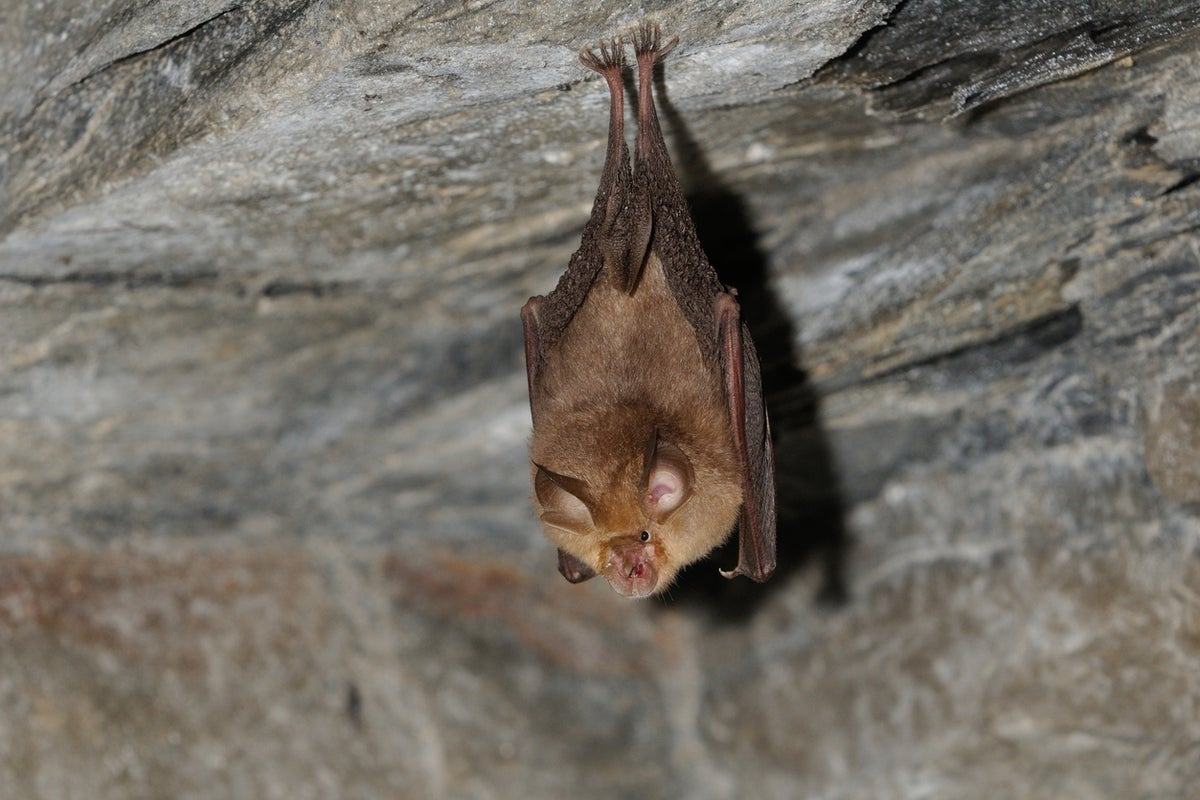
Photo: The Independent
2026-07-02 11:00 Health 10 


11-year-old Canadian boy dies from rabies after bat contact despite no visible bite marks
An 11-year-old boy in northern Ontario, Canada, died from rabies following contact with a bat during the summer of 2024, highlighting the severe risks posed by wildlife exposure even when no obvious bite marks are present.
According to a case later published in the Canadian Medical Association Journal, the child awoke one night to find a bat on his face, specifically around his nose and mouth.As no visible wounds or bite marks were detected, his parents did not initially seek urgent medical treatment.This decision proved critical, as rabies can be transmitted through very small or unnoticed bites, particularly from bats.Roughly 19 days after the incident, the boy began experiencing worrying neurological symptoms.These included facial numbness, frequent vomiting, confusion, slurred speech, and visual hallucinations.
His condition rapidly deteriorated, and he was diagnosed with rabies, a viral infection that is almost universally fatal once clinical symptoms appear.
Despite receiving intensive medical care for around two weeks, his health continued to decline, ultimately resulting in his death after life support was withdrawn.The case is particularly significant as it marked the first recorded instance of rabies in that region since 1967.
Medical professionals involved in the report emphasised that bat bites may leave no visible marks, making it essential to seek immediate preventative treatment following any potential exposure.
The report serves as a public health warning, reinforcing that rabies post-exposure prophylaxis is highly effective if administered promptly, but nearly ineffective once symptoms develop.The case underscores the importance of caution and medical assessment after any direct contact with bats, even when injuries are not apparent.
Full reading at The Independent
2187
Original title: Doctors issue rabies warning after boy dies from bat bite with no visible marks
The AI system has determined that this news is not clickbait/sensationalist: : The original title is factual and descriptive, summarising the key outcome of the incident without exaggerated language or sensational framing, so it is not considered clickbait. This has coincided with the opinion of the majority of users.
You may also be interested in...
Ten-year-old pupil found dead after leaving special needs school in Ishikawa, Japan
 Harry Styles joins Wembley crowd in celebrating England’s World Cup victory during concert screening
 UK forecast shows temperatures rising to 29°C amid July heatwave with regional contrasts