
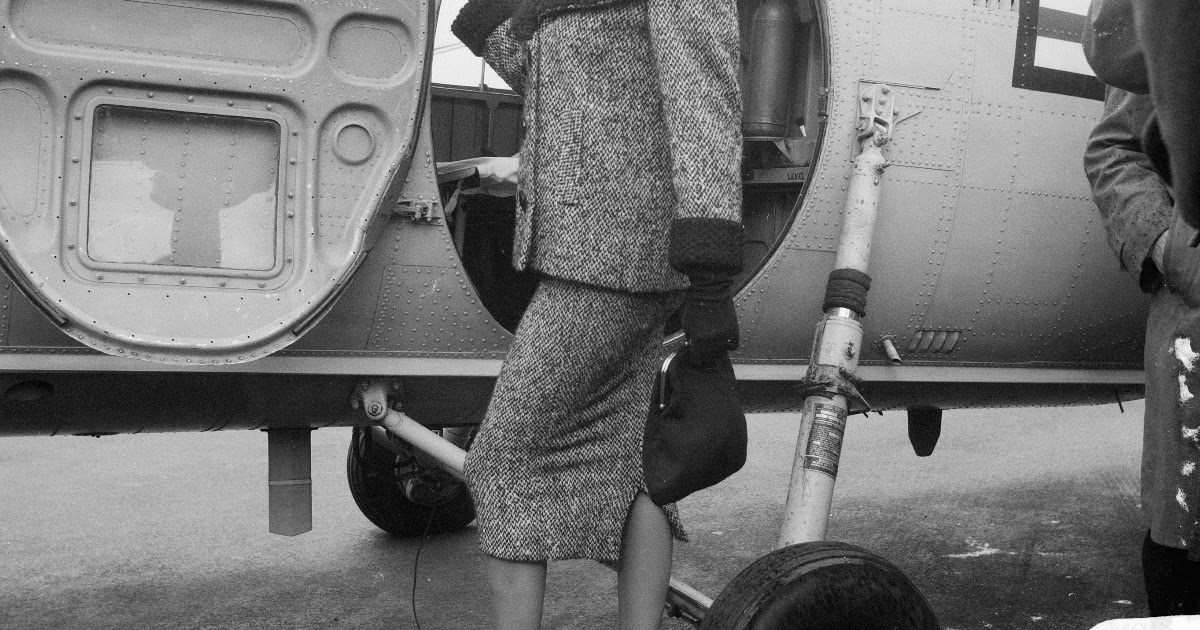
 Jayne Mansfield’s 1957 Promotional Visit to Rotterdam Draws Public and Military Attention
KillBait - News highlights delivered clearly and responsibly—no clickbait, no sensationalism
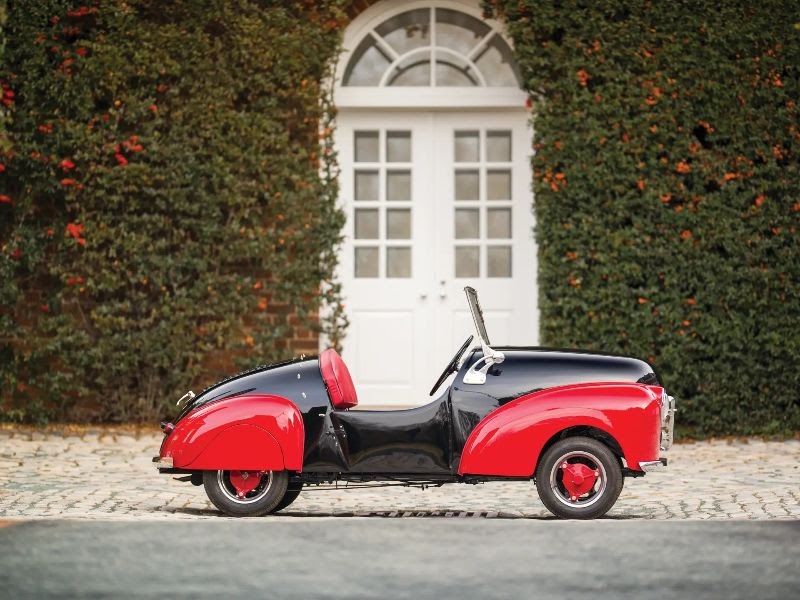
Photo: vintag.es
2026-07-02 08:16 History 12 


1951 Atlas Babycar 2S: Rare French Post-War Microcar Design
The 1951 Atlas Babycar 2S is a rare and unusual microcar produced in post-World War II France, reflecting a period when European manufacturers experimented with compact, economical transportation solutions.
Built by Société Industrielle de Livry, this small vehicle was designed to meet the needs of urban drivers seeking affordable mobility during a time of material scarcity and economic recovery.
Its design is characterized by a lightweight fiberglass body with a distinctive rounded, aerodynamic shape that gives it a playful, almost toy-like appearance.The open-top configuration and compact proportions emphasize its focus on simplicity and practicality rather than comfort or luxury.Under the hood, the Babycar 2S was powered by a very small 175cc single-cylinder AMC engine mounted at the rear.This modest powertrain was not intended for speed or long-distance travel but instead for short, efficient city commutes.
The vehicle’s engineering reflects the broader microcar movement of the 1950s, when manufacturers across Europe sought to create affordable alternatives to full-sized automobiles in response to postwar constraints.
With only a limited number of units ever produced and very few surviving examples today, the Atlas Babycar 2S has become a highly sought-after collector’s item.Enthusiasts value it not only for its rarity but also for its representation of early micro-engineering innovation.
The surviving photographs highlight its whimsical styling, compact scale, and the inventive spirit of its era, making it a notable artifact of postwar automotive history.
2226
Original title: 1951 Atlas Babycar 2S: A Charming Post-War Microcar
The AI system has determined that this news is not clickbait/sensationalist: : The original title is descriptive and factual, clearly identifying the vehicle model and its historical context without sensational language or exaggerated claims. This has coincided with the opinion of the majority of users.
You may also be interested in...
Jayne Mansfield’s 1957 Promotional Visit to Rotterdam Draws Public and Military Attention
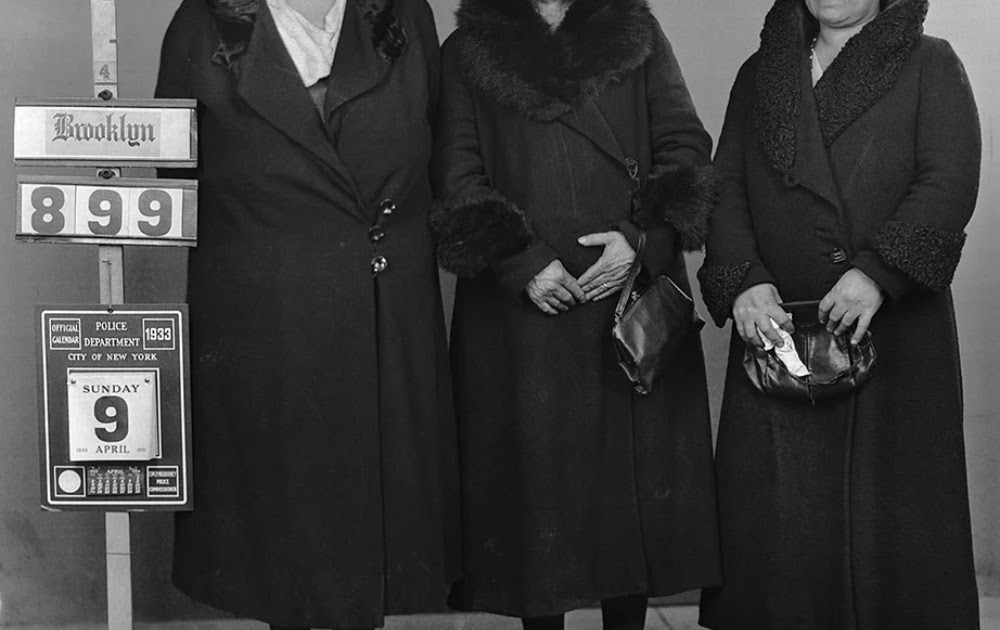 History of the NYPD Brooklyn Stand-Up Mugshot Identification System
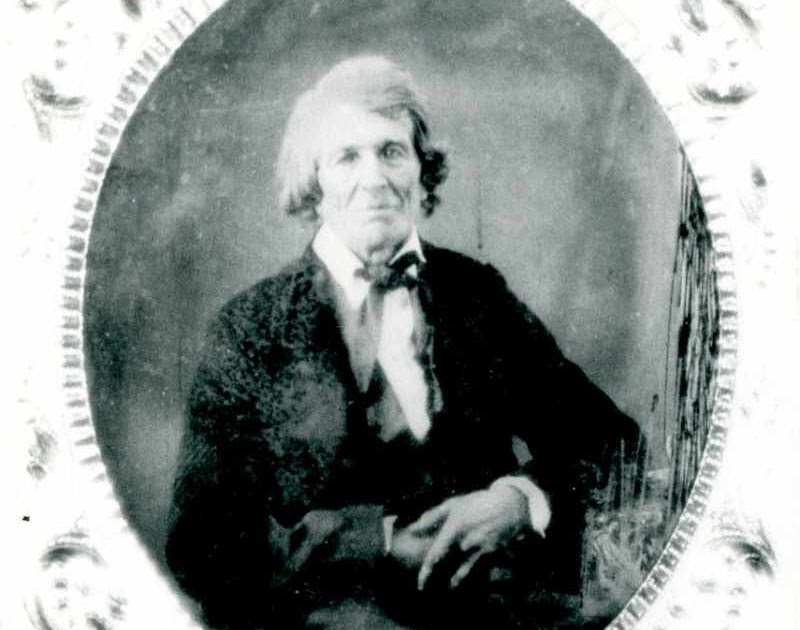 1843 Portrait Documents John Owen, One of the Earliest-Born People Ever Photographed