
 The Narrow Door at Portugal’s Alcobaça Monastery and the Legend of the “Fat-Catcher” Door
KillBait - News highlights delivered clearly and responsibly—no clickbait, no sensationalism
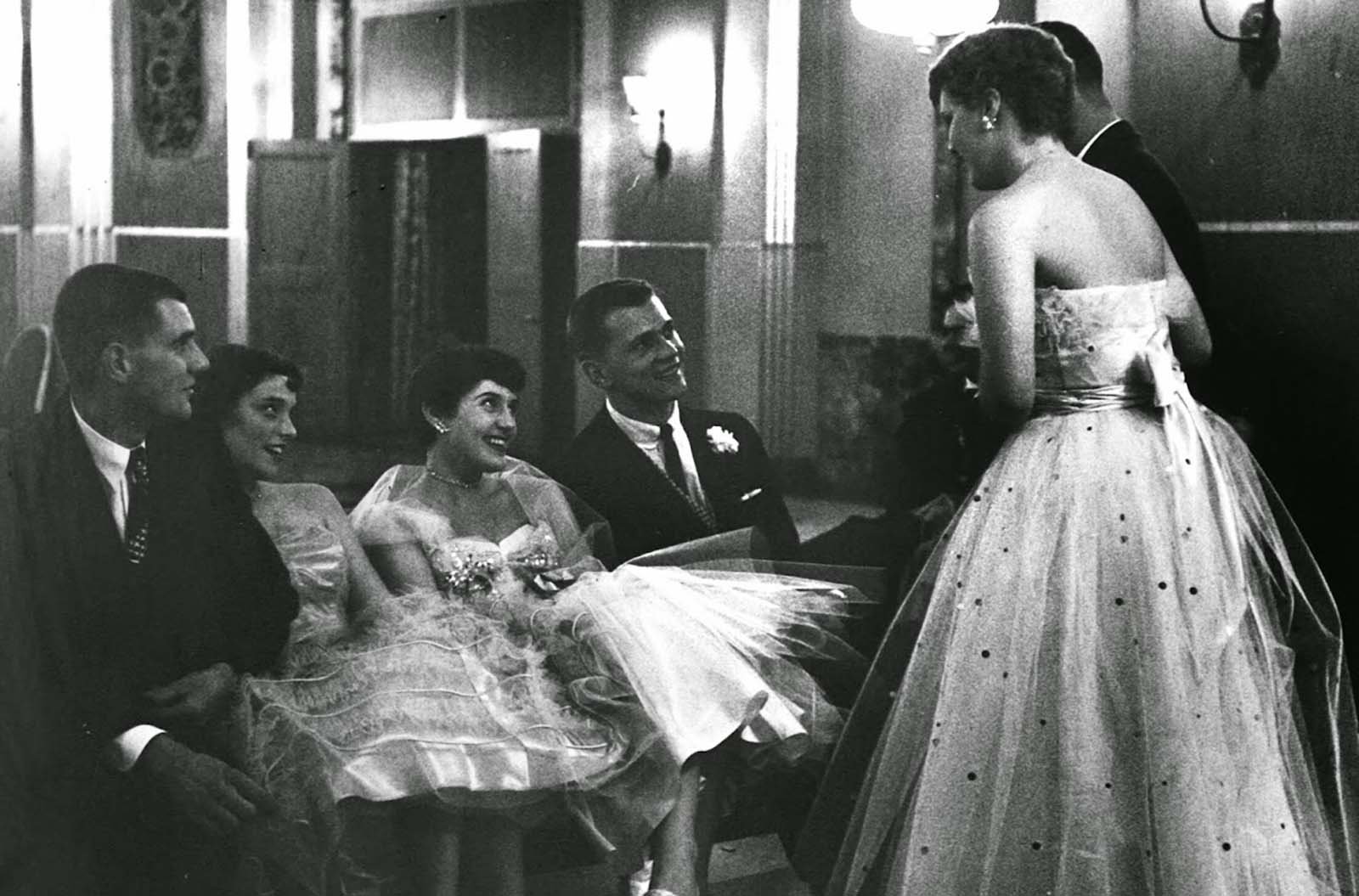
Photo: Rare Historical Photos
2026-05-29 04:48 History 12 


A Glimpse into American Teen Life in the 1950s Through Photographs
In the 1950s, American teenagers experienced a cultural shift fueled by postwar prosperity, growing independence, and evolving social norms.LIFE magazine’s 1954 feature, “The Luckiest Generation,” captured this era through a series of photographs by Nina Leen, showcasing confident, stylish teens immersed in school activities, part-time jobs, and social events.High schools became central to teenage life, hosting dances, pep rallies, and clubs that shaped social identity.Part-time jobs provided teens with spending money, enabling participation in the burgeoning youth consumer culture.Cars emerged as symbols of freedom and status, with drive-ins and cruising offering social spaces beyond parental oversight.
Music and fashion were vital aspects of teen culture, with rock and roll and icons like Elvis Presley influencing dance, style, and personal expression.Despite this independence, teens were still bound by family expectations, social norms, and school responsibilities.The photographs highlight a predominantly white, middle-class perspective, reflecting mainstream postwar optimism and cultural ideals.
Today, the collection serves as both a historical record and a cultural lens into how American society envisioned youth during one of its most prosperous decades.
Full reading at Rare Historical Photos
2228
Original title: Fascinating Vintage Photos Capture American Teen Life in the 1950s
The AI system has determined that this news is not clickbait/sensationalist: : The original title accurately describes the content of the article and photographs without exaggeration or sensationalism. This has coincided with the opinion of the majority of users.
You may also be interested in...
The Narrow Door at Portugal’s Alcobaça Monastery and the Legend of the “Fat-Catcher” Door
 1948 MG TC Special Roadster: A Classic Postwar British Roadster
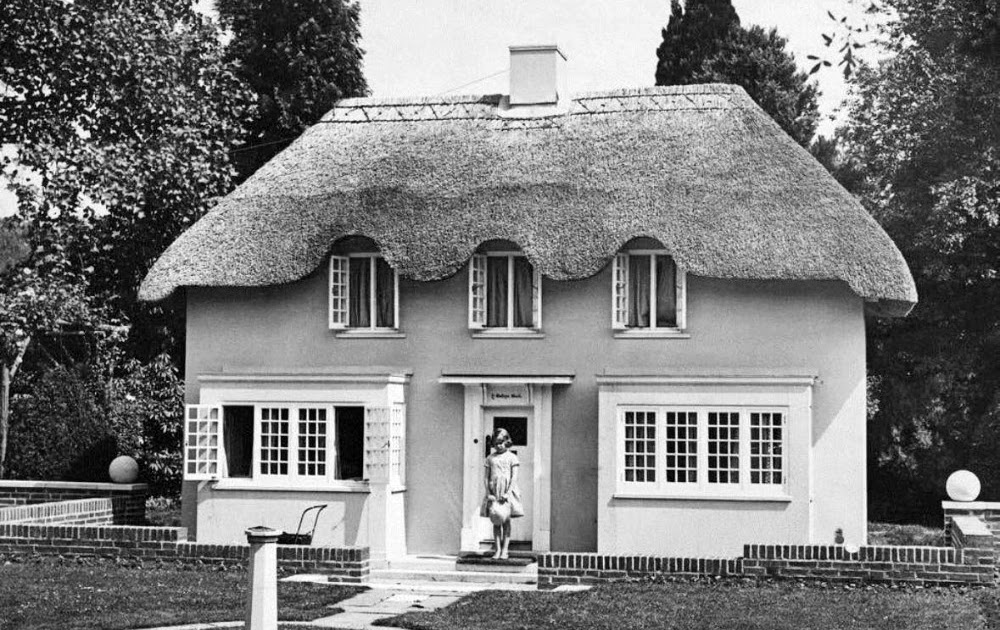 The Story of Y Bwthyn Bach, Queen Elizabeth II’s Childhood Cottage in Windsor Great Park