
 The Portrait Art of Rudolf Swoboda and His Depictions of India and the Middle East
KillBait - News highlights delivered clearly and responsibly—no clickbait, no sensationalism
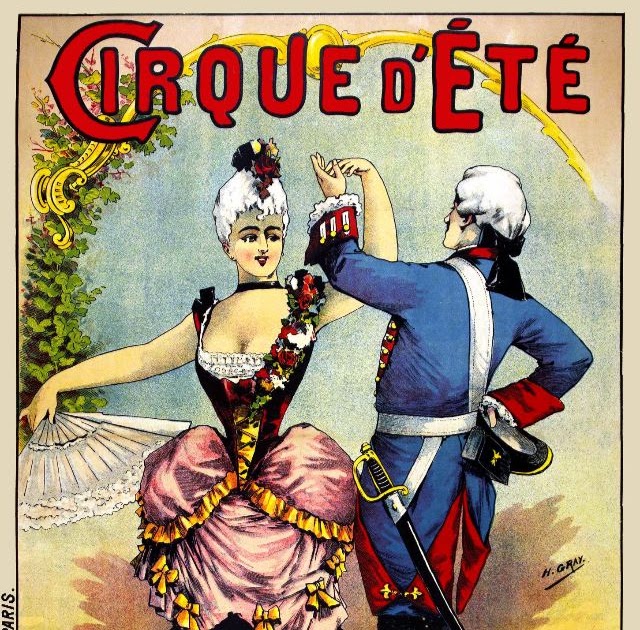
Photo: vintag.es
2026-06-04 03:01 Culture 36 


A Retrospective of Henri Gray's Belle Époque Posters and Contributions to French Graphic Art
The article highlights the life and artistic legacy of Henri Gray (1858–1924), a French illustrator and poster artist born Henri Boulanger who worked during the Belle Époque, a period known for its flourishing arts and culture in France.Gray became recognized for creating sophisticated advertising posters that combined artistic elegance with commercial effectiveness.His style incorporated flowing lines, balanced compositions, and influences from Art Nouveau while maintaining strong illustrative traditions.Many of his works featured graceful female figures, theatrical themes, entertainment venues, and promotional imagery for products and events.The feature presents a broad selection of Gray’s poster designs produced between the late 1880s and the early 1900s.
These include advertisements for circuses, theaters, concerts, bicycle exhibitions, railways, seaside destinations, automobiles, petroleum products, and commercial businesses.
Among the showcased works are posters for Cirque d'Été, Bal de la Grenouillère, Salon du Cycle, Théâtre de l'Opéra, Cycles Sirius, Boulogne-sur-Mer, Trouville Casino, and numerous transportation and industrial brands.
The article emphasizes that Gray contributed significantly to the golden age of French poster art, working in an era associated with renowned artists such as Alphonse Mucha and Jules Chéret.
Although his name is less widely recognized today than some of his contemporaries, his posters remain admired for their visual refinement, sense of movement, and effective integration of art and advertising.
The collection demonstrates how Gray helped shape the visual culture of the Belle Époque through works that were both aesthetically appealing and commercially successful, securing his place in the history of graphic design and illustration.
2457
Original title: Henri Gray: Elegant Master of Belle Époque Illustration
The AI system has determined that this news is not clickbait/sensationalist: : The title is descriptive and accurately reflects the content of the article. It does not use sensational language, exaggeration, or misleading claims to attract clicks. This has coincided with the opinion of the majority of users.
You may also be interested in...
The Portrait Art of Rudolf Swoboda and His Depictions of India and the Middle East
 Stefan Falke Uses Handheld Mirrors to Reimagine New York Street Photography
 Michelle Phillips’ Career Reinvention in the 1970s: Acting, Music, and Hollywood Fame