
 Pan-Atlantic University emphasizes ethical communication in local governance
KillBait - News highlights delivered clearly and responsibly—no clickbait, no sensationalism
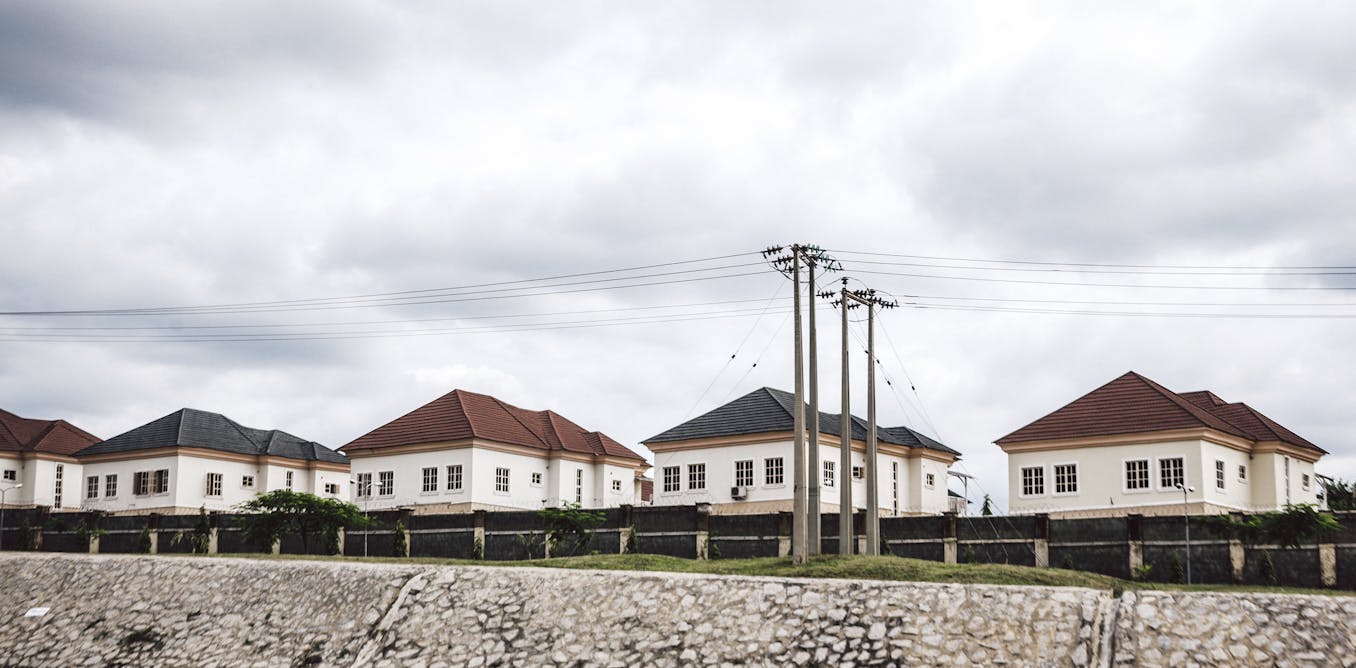
Photo: The Conversation
2026-07-12 11:52 Society 10


Abuja housing crisis: low-income workers struggle with unaffordable rents and limited options
Abuja, Nigeria’s capital, faces a severe housing crisis as rapid urbanization and population growth outpace affordable housing supply.Despite national policies and private investments, over 1.7 million housing units are missing, pushing low-income earners into peripheral settlements.
State-led programs often favor middle and upper-income groups, with projects like Renewed Hope City allocating only 32% of units to low-income families.High mortgage rates, lack of affordable financing, and strict loan criteria exclude many from homeownership.Urban planning neglects cultural needs, favoring nuclear family designs over extended households.Informal settlements are demolished for upscale developments, displacing thousands.
Solutions include subsidies, low-interest loans, regulated developers, upgraded informal settlements, and culturally sensitive housing designs to ensure equitable access.
Full reading at The Conversation
2187
Original title: Abuja's housing crisis: why affordable homes stay out of reach for low paid workers
The AI system has determined that this news is not clickbait/sensationalist: : The original title is straightforward and informative, focusing on the core issue without sensationalism. This has coincided with the opinion of the majority of users.
You may also be interested in...
Pan-Atlantic University emphasizes ethical communication in local governance
 Peller and Jarvis Prepare for White Wedding After Traditional Ceremony
 Rita Edochie denounces double standards in marriage advice over infidelity comments