
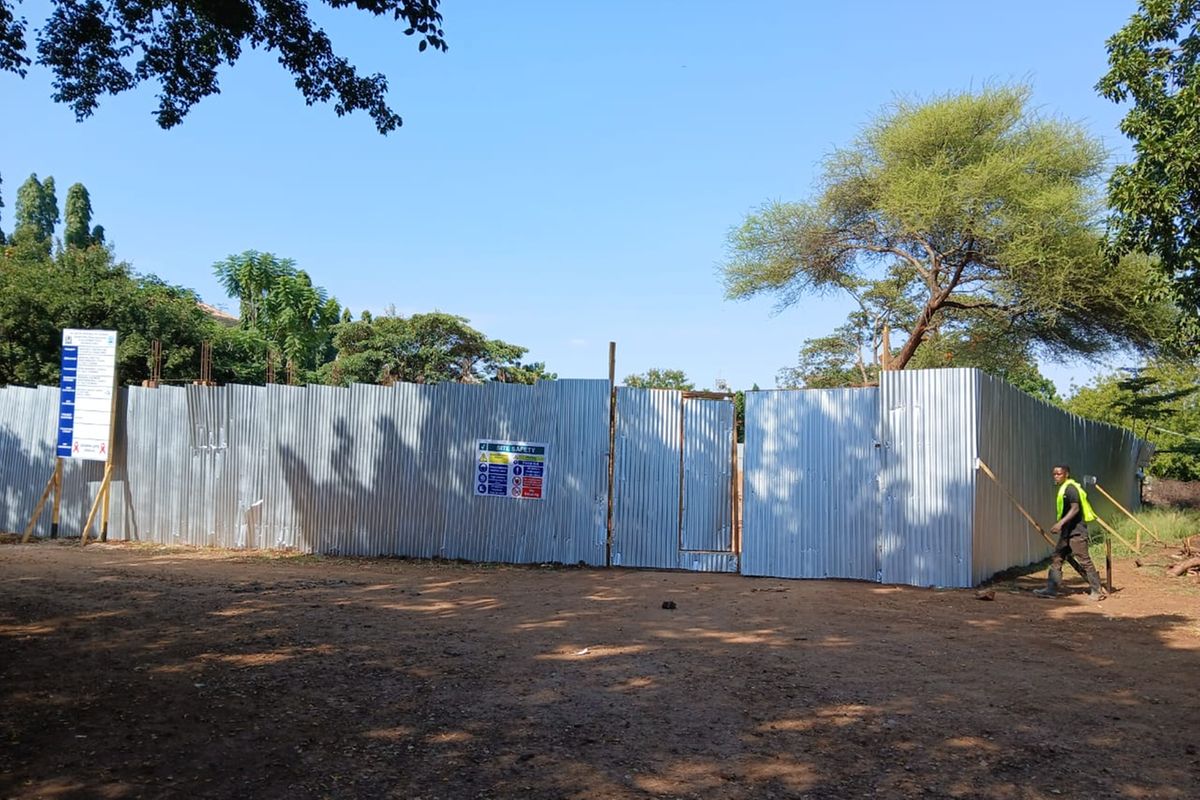
 Tanzanian Government Halts Construction at Uhuru Park Over Public Land Concerns
KillBait - News highlights delivered clearly and responsibly—no clickbait, no sensationalism
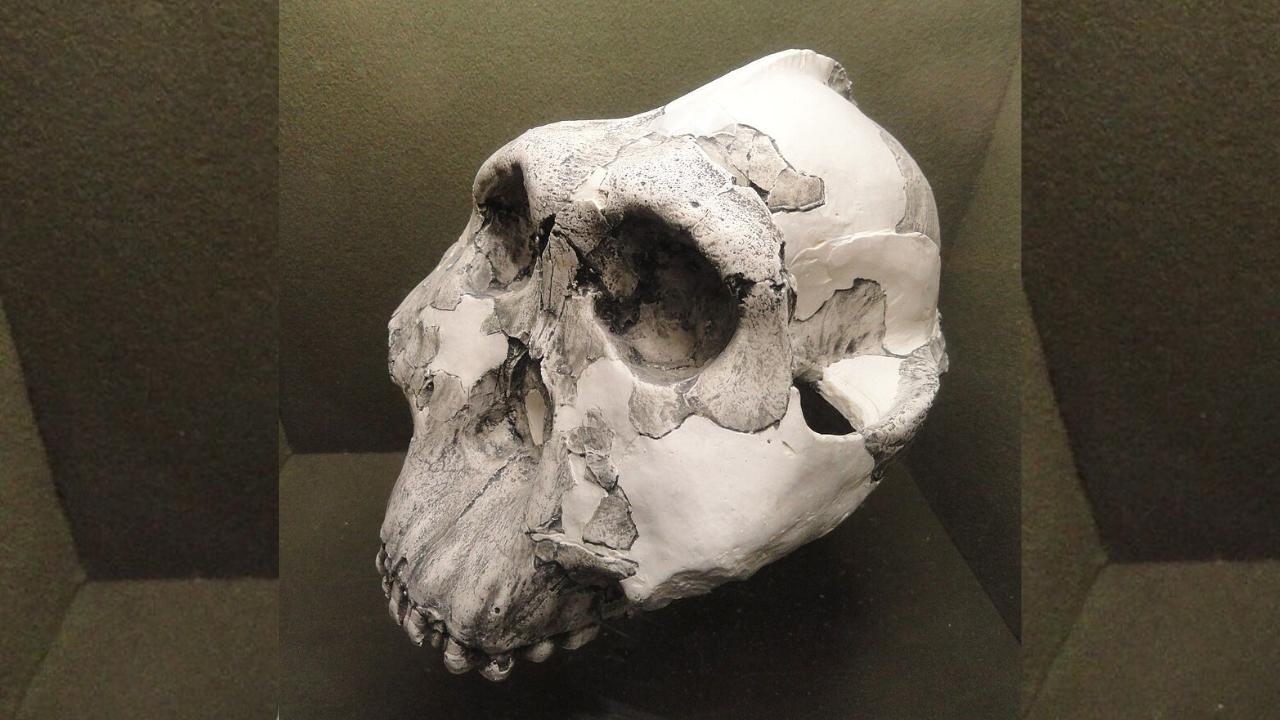
Photo: The Chanzo Inititative
2026-07-17 10:08 Archaeology 10


Adaptation Over Strength: Lessons from Zinj Day
The article discusses the significance of Zinj Day, commemorating the 1959 discovery of Zinjanthropus boisei fossils at Olduvai Gorge.It highlights how physical strength alone did not ensure survival for this species, contrasting it with early humans who thrived through adaptability.
The piece explains that while Zinj had robust features like large molars and strong jaws, their inability to adjust to environmental changes led to extinction.Meanwhile, the human branch succeeded by embracing flexibility, using tools, and exploring diverse environments.
The article draws parallels to modern challenges, emphasizing that innovation and adaptability are key to navigating today's rapidly changing world.It concludes with a call to learn from ancient history, urging individuals and societies to prioritize resilience over mere strength.
Full reading at The Chanzo Inititative
2189
Original title: Zinj Day: The Future Belongs to the Adaptable, Not the Strongest
The AI system has determined that this news is not clickbait/sensationalist: : The original title uses a dramatic contrast between adaptable and strongest, which is engaging but not overly sensational. It highlights the core lesson of the article about survival through flexibility. This has coincided with the opinion of the majority of users.
You may also be interested in...
Tanzanian Government Halts Construction at Uhuru Park Over Public Land Concerns
 Tanzania Launches Media Campaign to Boost Clean Cooking Adoption
 Tanzania's Road Infrastructure Challenges and Government Commitments