
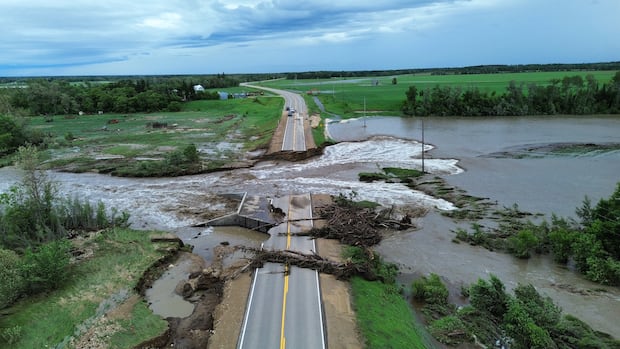
 Minegoziibe Anishinabe First Nation declares emergency amid severe flooding in Manitoba’s Parkland region
KillBait - News highlights delivered clearly and responsibly—no clickbait, no sensationalism
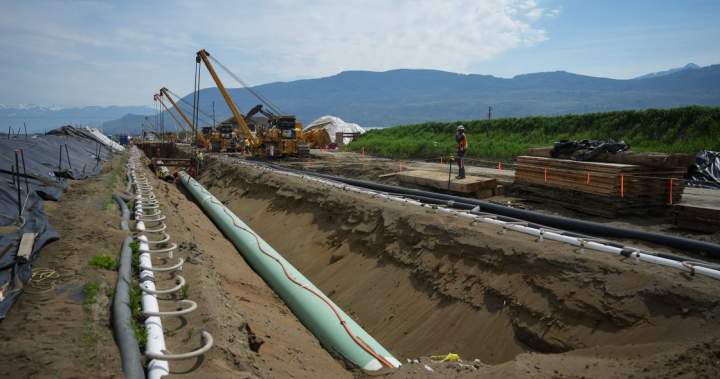
Photo: Global News
2026-07-03 19:26 Environment 10 


Alberta's New Oil Pipeline Faces Significant Challenges in Development
The article discusses the challenges faced by Alberta's new oil pipeline proposal, highlighting key issues such as environmental regulations, Indigenous consultations, and economic factors.
The project, which aims to transport oil to British Columbia, must navigate complex legal and logistical hurdles, including mandatory consultations with over 125 Indigenous communities.
Federal and provincial governments are emphasizing opportunities for Indigenous ownership, but concerns remain about past consultation failures that led to legal disputes and project delays.Environmental concerns, including the impact of increased oil production on emissions and carbon taxes, are also central to the debate.
The project's success hinges on balancing economic interests with regulatory compliance and addressing Indigenous rights, which are critical to avoiding legal challenges.
The article underscores the broader implications for Canada's energy sector, as the government's new energy plan faces scrutiny over its alignment with climate goals.
Despite these challenges, the project's potential to boost Alberta's economy remains a key focus, though uncertainty around costs and regulations may deter investment.
2186
Original title: Pipelines faced key challenges in the past. Can Alberta’s overcome them?
The AI system has determined that this news is clickbait/sensationalist: : The original title uses a dramatic question format and sensational phrasing ('faced key challenges... Can Alberta’s overcome them?') to attract attention, which is typical of clickbait headlines. This has coincided with the opinion of the majority of users.
You may also be interested in...
Minegoziibe Anishinabe First Nation declares emergency amid severe flooding in Manitoba’s Parkland region
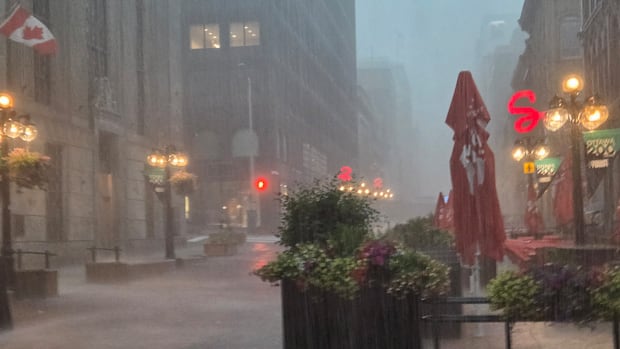 Severe storms force cancellation of Ottawa Canada Day evening events and fireworks amid flooding
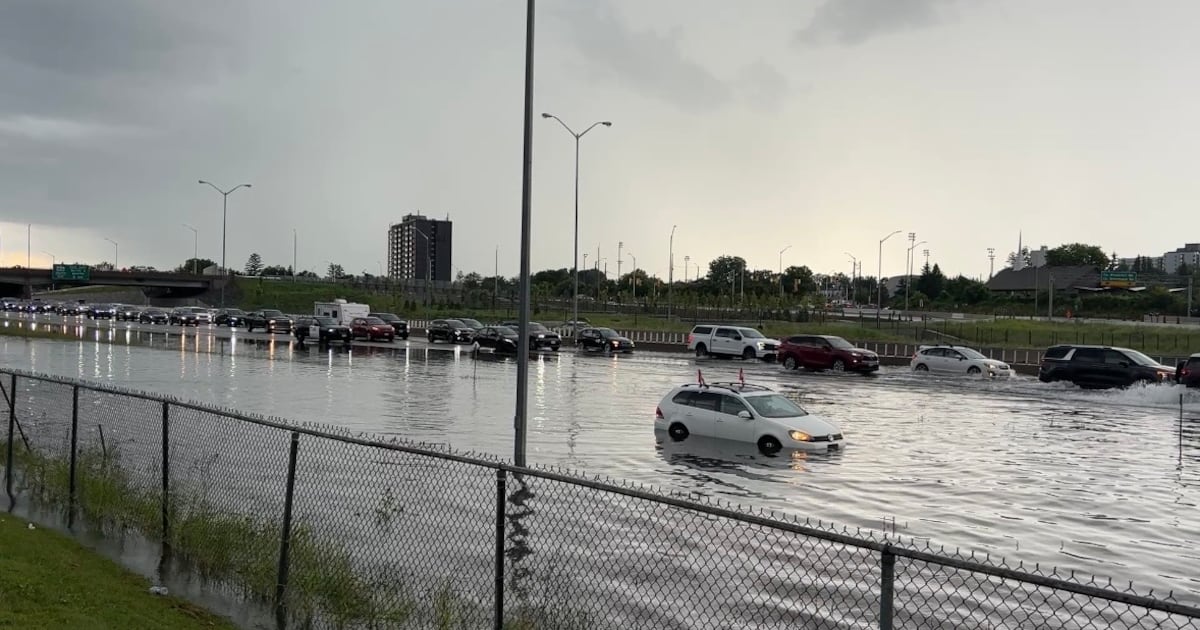 Heavy Canada Day rainfall floods Ottawa roads and causes widespread power outages