
 Dr Basil Enicker Appointed President of College of Neurosurgeons of South Africa
KillBait - News highlights delivered clearly and responsibly—no clickbait, no sensationalism

Photo: TimesLIVE
2026-07-20 09:29 Health 10


Alcohol use linked to sexual violence and HIV risk among young women in South Africa
A study published in South Africa highlights the complex relationship between hazardous drinking, sexual violence, and HIV risk among adolescent girls and young women.
The research, conducted as part of the HERStory3 evaluation of the My Journey programme, found that while alcohol use was not directly linked to HIV acquisition, it was strongly associated with sexual violence and condomless sex.
Hazardous drinking, defined as consuming five or more drinks in a single session, is prevalent in South African communities, with 54% of male drinkers and 35% of female drinkers reporting binge drinking.The study emphasizes that alcohol weakens bargaining power, exposes girls to transactional sex, and increases vulnerability to coercion and violence.
Interviews with young women revealed how alcohol is embedded in social contexts, often leading to unsafe situations where consent is blurred and physical harm is possible.
The findings underscore the need for HIV prevention strategies that address structural inequalities, gendered power dynamics, and community-level interventions to reduce alcohol-related risks.
The research calls for multi-component programmes tailored to the social realities of young women's lives, rather than focusing solely on individual behaviour change.
2186
Original title: Alcohol, sex and violence: a dangerous cocktail that makes young women vulnerable to HIV
The AI system has determined that this news is not clickbait/sensationalist: : The original title uses dramatic language ('dangerous cocktail') to attract attention, but the content focuses on factual research findings rather than sensationalism. The study's conclusions are presented objectively, avoiding clickbait tactics. This has coincided with the opinion of the majority of users.
You may also be interested in...
Dr Basil Enicker Appointed President of College of Neurosurgeons of South Africa
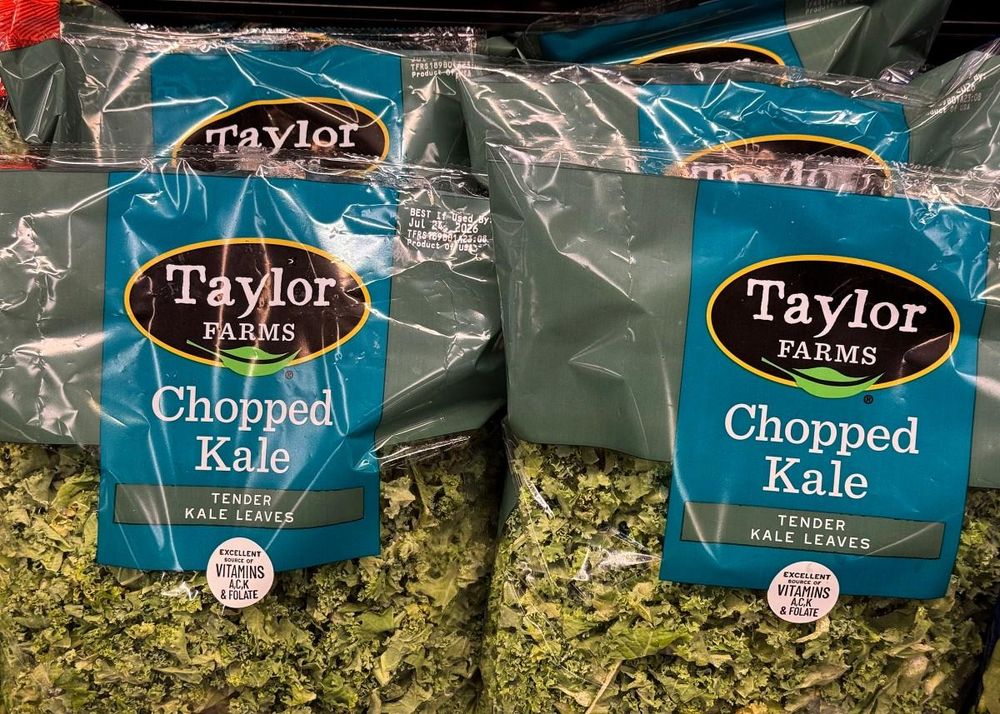 CDC investigates Cyclospora outbreak linked to Taco Bell lettuce supply chain
 94-year-old medical pioneer Prof Patrick Mokhobo honoured with honorary doctorate