
 Parkinson's Disease Awareness: Understanding Non-Motor Symptoms, Treatment Advances, and Available Support
KillBait - News highlights delivered clearly and responsibly—no clickbait, no sensationalism
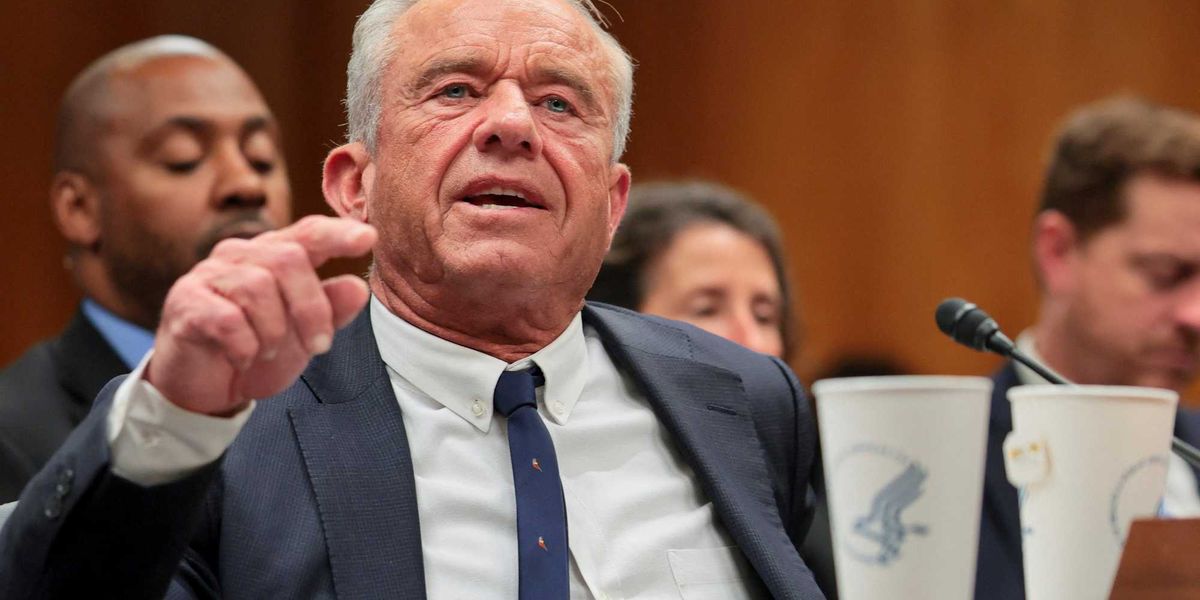
Photo: Raw Story - Celebrating 20 Years of Independent Journalism
2026-06-11 01:40 Health 12 


AMA Delegates Push for a Stronger Confrontation with HHS Secretary Robert F. Kennedy Jr. Over Public Health Policies
A report highlighted growing frustration within the American Medical Association (AMA) regarding the leadership of Health and Human Services Secretary Robert F.Kennedy Jr.
During the AMA’s annual meeting, members of the organization’s House of Delegates urged the association to adopt a much more aggressive stance toward Kennedy and the policies being implemented under his leadership.
According to the report, many physicians believe the organization has been too cautious in its criticism, despite concerns about changes to vaccine oversight, public health infrastructure, and the federal response to disease outbreaks.The debate comes as the AMA prepares for new leadership.Sandra Fryhofer, an internist from Atlanta and a vocal critic of Kennedy, was elected AMA president-elect.
Her victory over Michael Suk, who favored a more pragmatic approach focused on physician reimbursement and maintaining working relationships with federal officials, signals a potential shift in strategy.
Fryhofer has pledged to hold the administration accountable on issues including measles outbreaks, reductions in public health programs, Medicaid funding cuts, physician payment concerns, and immigration policies affecting healthcare.The report also noted broader political changes within the medical profession.
While physicians have historically leaned Republican, many have moved toward more progressive positions over recent decades, particularly during healthcare policy disputes.
For some doctors, President Donald Trump’s partnership with Kennedy, known for his skepticism toward vaccine safety and criticism of the medical establishment, has intensified concerns.
In addition, Kennedy and some of his allies have faced criticism from parts of the medical and scientific communities for actions they say have slowed or obstructed potentially life-saving research.Supporters argue that stricter safety requirements are necessary, while critics contend that such measures may delay important medical advances.Overall, the article portrays an increasingly confrontational relationship between organized medicine and federal health leadership.
Full reading at Raw Story - Celebrating 20 Years of Independent Journalism
2224
Original title: Doctors demand all-out war with RFK Jr. amid public health crisis: report
The AI system has determined that this news is clickbait/sensationalist: : The phrase 'all-out war' is highly dramatic and emotionally charged. While it reflects strong opposition from some physicians, it exaggerates the nature of the dispute and is designed to attract attention, making the headline more sensational than a neutral description of the events. This has coincided with the opinion of the majority of users.
You may also be interested in...
Parkinson's Disease Awareness: Understanding Non-Motor Symptoms, Treatment Advances, and Available Support
 Scientists Recommend Limiting Alcohol Intake to One Drink Daily Based on Health Risk Analysis
 Acetrea Cancer Advocacy Network Seeks Sponsorship to Train Oncology Nurses in Nigeria