
 Culture as the Storefront: How Authenticity is Reshaping Social Commerce in Nigeria
KillBait - News highlights delivered clearly and responsibly—no clickbait, no sensationalism

Photo: Naija News
2026-05-24 13:14 Opinion 14 


Analysis of Fubara’s Political Struggles and Trust Issues in Abuja APC Primaries
This opinion piece looks into the political tension surrounding Rivers State Governor Siminalayi Fubara and his alleged fallout with key power blocs in Abuja during the APC governorship primaries.The writer argues that Nigerian politics is deeply shaped by trust, mistrust, and betrayal among political godfathers and their godsons.
Fubara is presented as a leader who may have miscalculated his political alliances after shifting into the APC, allegedly expecting protection and endorsement without securing firm guarantees.This, according to the article, left him exposed during the party’s screening process for the governorship ticket.
The piece heavily focuses on the influence of Nyesom Wike, Fubara’s political godfather turned rival, and how internal party control and strategic positioning may have worked against the governor.
It also draws comparisons with other Nigerian political cases such as Akinwunmi Ambode in Lagos and Rasheed Ladoja in Oyo State, where strained relationships with godfathers affected second-term ambitions.
The author further references Robert Greene’s ‘48 Laws of Power’ and Machiavelli’s political theories to explain why concealment of intentions and strategic alliances are important in Nigerian politics.
The article expands its argument by citing other examples like Kano politics involving Abba Kabir Yusuf and Abdullahi Ganduje, as well as the case of Desmond Elliot in Lagos politics, to show how shifting alliances determine political survival.It concludes that Nigerian politics is largely transactional, where trust is temporary and often replaced by strategic distrust.
Ultimately, the writer suggests that Fubara’s current political setback reflects broader patterns in Nigeria’s power structure, where godfathers and federal influence often determine who succeeds or fails.
2257
Original title: Fubara Mistrusts Abuja
The AI system has determined that this news is not clickbait/sensationalist: : The original title is straightforward and descriptive, simply stating the subject of the opinion piece without exaggeration or sensational language. It does not use emotional bait or misleading phrasing, so it is not considered clickbait. This has coincided with the opinion of the majority of users.
You may also be interested in...
Culture as the Storefront: How Authenticity is Reshaping Social Commerce in Nigeria
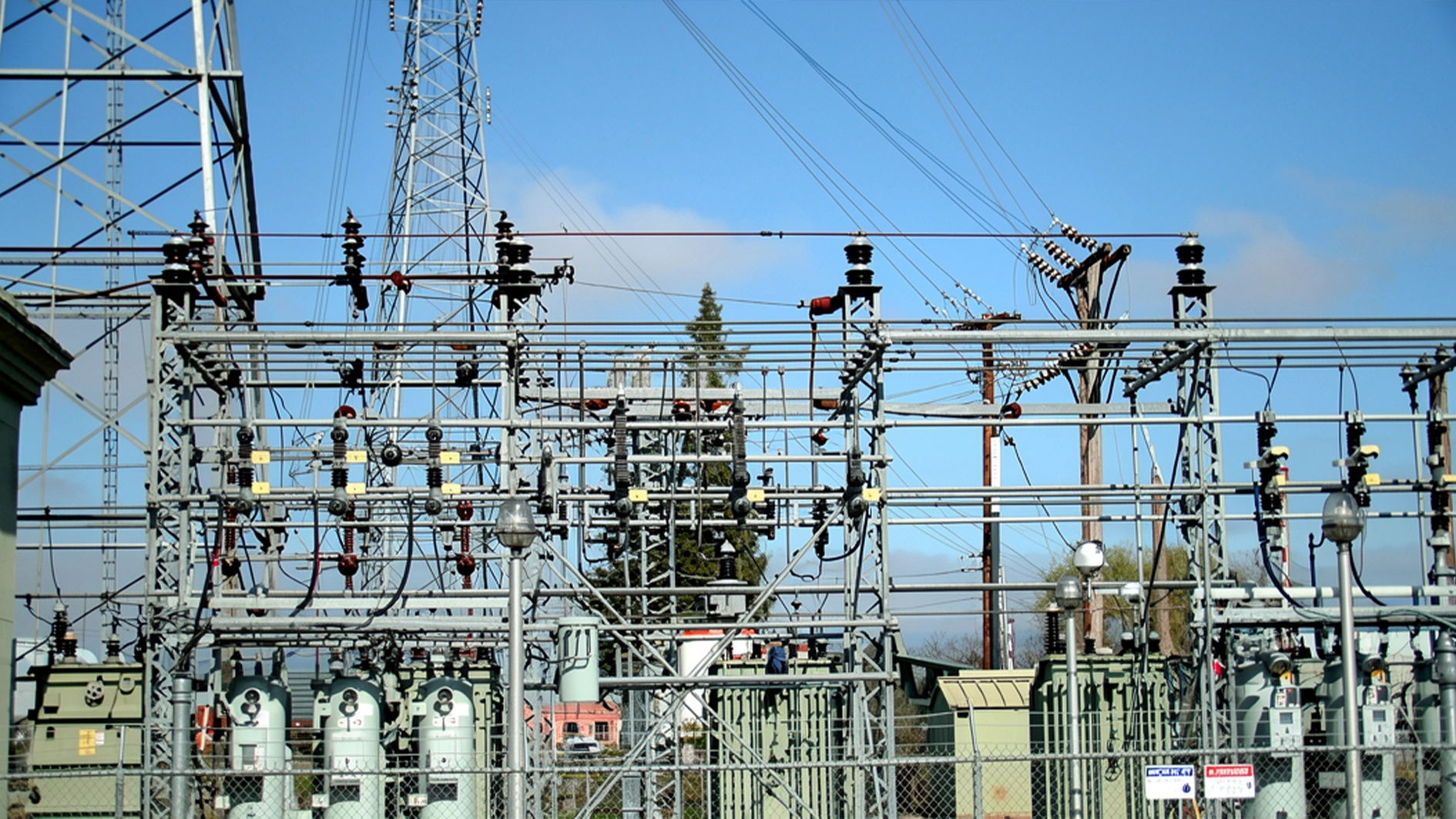 How Infrastructure Vandalism Is Undermining Nigeria’s Power Sector and Economy
 Children’s Day: Nigeria’s shared responsibility for nation building through child welfare and investment